
How To
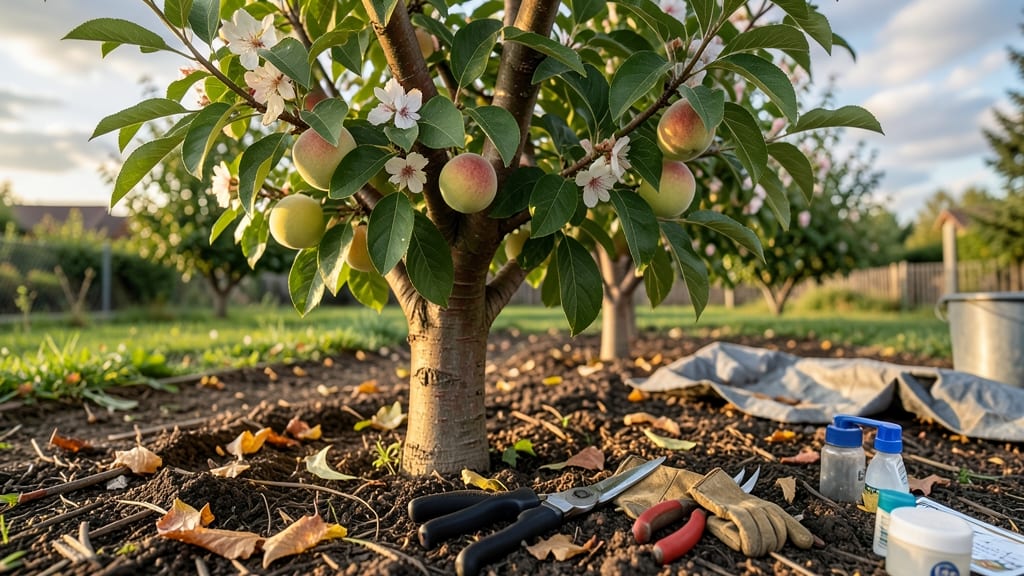
Pruning peach trees in late winter isn’t just about shaping—it’s your chance to set up a bountiful harvest and healthier tree for years to come. 🌿 I’ve watched my own peach tree go from a tangled mess to a productive powerhouse after learning these simple cuts, and the difference in fruit quality is night and day.
The key? Timing, tools, and knowing which branches to keep (or say goodbye to).
You’ll need sharp pruners, rubbing alcohol for sterilizing cuts, and a clear day to work—no rushing. Start by removing dead, diseased, or crossing branches first, then thin out crowded growth to let sunlight and air reach the center.
A 25% reduction in total branches is a safe rule of thumb for beginners, though mature trees can handle more. The goal? Encourage strong, outward-facing canes that bear fruit instead of leggy growth that flops over.
📚 In This Guide
- What you need
- Instructions
- Tips and common mistakes
- Wrapping up and next steps
What you need
- ● Bypass Pruning Shears: Sharp, high-quality shears (e.g., Felco F-2 or Gonicc) to make clean cuts on smaller branches (up to ½-inch diameter). 1 pair is all you need.
- ● Loppers: For medium branches (½-inch to 2-inch diameter). Opt for bypass loppers (e.g., Fiskars X27) for precision cuts. 1 pair should suffice.
- ● Pruning Saw: For thicker branches (2+ inches). A curved-tooth pruning saw (e.g., Bahco) prevents tearing. 1 saw is ideal.
- ● Gloves: Heavy-duty, cut-resistant gloves (e.g., Wolverine) to protect hands from thorns and rough bark.
- ● Disinfectant: 70% isopropyl alcohol or a pruning sealant (e.g., Tanglefoot Tree Wound Pruning Sealer) to sterilize tools and prevent disease spread.
- ● Ladder or Step Stool: For reaching higher branches safely. Ensure it’s stable and non-slip.
- ● Marking Twine or Flags: To tag branches for removal (e.g., bright-colored survey flags).
- ● Pruning Paint: (e.g., Ortho Fruit Tree Pruning Sealer) to seal larger cuts and reduce disease risk.
- ● Work Apron with Pockets: To keep tools organized and hands free.
- ● Timing: Prune during late winter or early spring (before buds swell) to avoid stressing the tree.
- ● Weather: Choose a dry, calm day (no rain or wind) to prevent sap bleeding and tool rust.
- ● Safety Gear: Safety glasses to protect eyes from debris.
Step-by-Step instructions for pruning peach trees
Here's the method I rely on each late winter—it keeps peaches productive and your tree healthy for decades.
✂️ Step 1: Remove Dead, Diseased, or Crossing Branches First
Start by scanning the tree for branches that are dead (brown, brittle), diseased (black spots, oozing sap), or rubbing against others. These compete with healthy growth and spread problems. Use clean, sharp pruners to make cuts at a 45-degree angle, about ¼ inch above a bud that faces outward.
I always prune these first because they're the easiest to spot and remove. You'll feel a satisfying snap when you cut through dead wood—it's a good sign you're doing it right. Never leave stubs; they rot and invite pests. If a branch is thicker than your wrist, use a pruning saw instead.
✂️ Step 2: Thin the Canopy to Improve Airflow
Peach trees need open space between branches to prevent fungal diseases like brown rot. Step back and look for areas where branches grow too close together. Remove every other branch in crowded spots, aiming to create a well-spaced framework where sunlight reaches the center.
Watch for branches growing inward—they'll block light and fruit development. Cut these back to the trunk or a strong outward-facing bud. I like to leave the strongest, most vigorous branches. You'll see new shoots emerge in spring from the buds you've preserved, signaling your pruning worked.
✂️ Step 3: Shape the Tree for Balance and Fruit Production
Peach trees thrive with an open-center shape. Focus on removing branches that grow straight up (called "water sprouts") or cross over others. Make your cuts just outside the branch collar (the swollen area where the branch meets the trunk). This ensures the tree seals the wound properly.
Leave 3-5 main scaffold branches evenly spaced around the trunk. These will form the tree's skeleton. If your tree is young, you might only have 1-2 scaffold branches—just focus on removing competing growth. After pruning, the tree should look like an upside-down cone with room for sunlight to filter through.
✂️ Step 4: Lighten the Top for Even Fruit Distribution
Peach trees often grow more vigorously at the top, leaving lower branches bare. To balance fruit production, remove 20-30% of the smallest branches from the top half of the tree. This encourages energy to flow downward, where you'll harvest most of your fruit.
Look for branches thinner than a pencil—they're easy to remove and won't disrupt the tree's structure. You'll notice the tree's center opens up, and sunlight reaches the lower branches. This step is crucial for preventing fruit from clustering only at the top, which makes harvesting difficult.
🌱 Step 5: Clean Up and Protect the Tree
After pruning, gather all debris and remove it from the area. Burn or trash it—never compost pruned branches from peach trees, as they can harbor brown rot spores. Wipe your pruners with rubbing alcohol between cuts to prevent spreading disease.
Apply a thin layer of dormant oil spray (if your climate is humid) to smother overwintering pests. Water the base of the tree deeply to help it recover from the stress of pruning. You'll see fresh green growth at the buds you've preserved within 4-6 weeks, confirming your tree is ready for spring.
Tips & tricks for pruning peach trees
These practical insights will help you prune like a seasoned orchardist—avoiding common mistakes that can weaken your tree.
Tool Preparation: Before you start, sharpen your pruners and clean them with rubbing alcohol. Dull blades tear wood instead of cutting cleanly, which invites disease. I also like to oil my pruners after each use—it keeps them rust-free for years. For branches thicker than your wrist, use a pruning saw with a fine-tooth blade to avoid splintering the wood.
Visual Cues for Step 1: In Step 1, look for branches that look like "V" shapes when viewed from above—these are crossing branches that rub against each other. Also check for branches with dead centers (hollow when tapped) or blackened spots. These are clear indicators for removal. Remember, you're creating space for healthy growth, not just making random cuts.
Branch Angle Matters: When making cuts in Steps 1-3, aim for a 45-degree angle just outside the branch collar. This angle prevents water from pooling at the cut site, which would lead to rot. Think of it like creating a tiny roof that sheds water away from the wound. The ¼-inch above the bud rule ensures new growth emerges in the right direction—outward, not inward.
Spring Feedback: After pruning, mark your calendar for 4-6 weeks later. The fresh green shoots you'll see emerging from the buds you preserved are your reward for proper pruning. If you don't see new growth, it might mean you cut too close to the trunk or removed too many branches at once. This visual confirmation is why timing your pruning in late winter works best—you get immediate feedback before the growing season begins.
Pro Tips for Prune Peach Tree
- These practical insights will help you prune like a seasoned orchardist—avoiding common mistakes that can weaken your tree.
- Tool Preparation: Before you start, sharpen your pruners and clean them with rubbing alcohol.
- Visual Cues for Step 1: In Step 1, look for branches that look like "V" shapes when viewed from above—these are crossing branches that rub against each other.
Frequently asked questions
Got questions about pruning peach trees? You’re not alone! Here are answers to the most common concerns—so you can prune with confidence and keep your tree thriving.
When is the absolute latest I can prune my peach tree?
Late winter (just before buds swell) is ideal, but you can prune lightly in early spring if you missed the window. Avoid heavy pruning after buds break—it stresses the tree and delays fruit production. If you must prune later, focus on removing dead wood and shaping, not major cuts.
Can I prune my peach tree in winter if it’s still snowing?
Prune when the ground isn’t frozen but before buds swell (usually after the last hard frost). If snow is still on the ground, wait a few days—wet or icy conditions can spread disease. A dry, mild winter day is perfect for clean cuts. Pro tip: Wear gloves and disinfect pruners between cuts to prevent bacterial spread!
Will pruning my peach tree reduce my fruit harvest next year?
Not if done correctly! Proper pruning increases fruit quality by improving airflow and sunlight. However, avoid over-pruning—never remove more than 25% of the canopy in one season. Focus on open-center shaping and thinning crowded branches to boost next year’s yield.
What should I do if I accidentally cut into a peach tree’s main trunk?
Don’t panic! If you nick the trunk, clean the wound with a 10% bleach solution, then seal it with tree wound pruning sealant. Monitor for signs of infection (oozing, discoloration). For deep cuts, consult a local arborist—they can help repair or graft if needed. Prevention tip: Mark the trunk with tape before pruning!
Are there any alternatives to traditional pruning for small peach trees?
Yes! For young or small trees, try topiary shaping (gentle trimming to encourage bushiness) or espalier training (growing branches flat against a fence/wall). Both methods improve fruit access and reduce disease risk. Just avoid heavy cuts—peach trees are sensitive to aggressive pruning.
Wrapping up and next steps
Pruning your peach tree in late winter isn’t just about shaping—it’s about setting the stage for a bountiful harvest and a healthier tree. By removing dead wood, thinning crowded branches, and opening the canopy to sunlight, you’re giving your tree the best chance to thrive.
Remember, timing, tools, and technique are your allies, so take your time and observe as you go!
Now that you’re armed with the know-how, grab those pruners and get to work! 🌱 Start small if you’re new, and soon, you’ll be pruning like a pro. Happy gardening—and may your peach tree reward you with juicy, sweet fruit this summer!