
Pruning
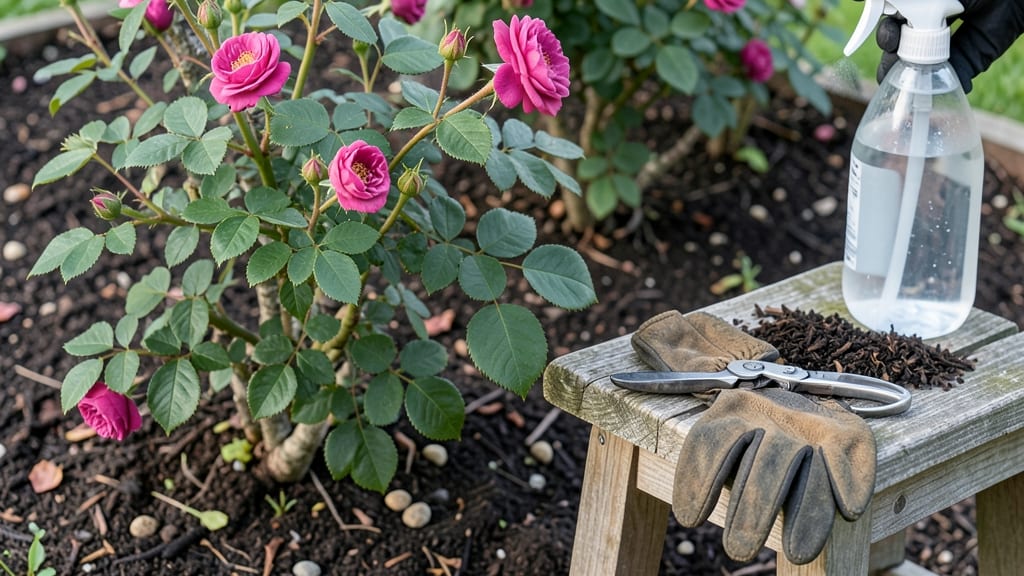
Seeing your roses transform from tangled, bare branches to lush, blooming bushes is the best feeling. ✨ Pruning roses before and after their bloom cycles isn’t just about aesthetics—it’s the secret to healthier plants and more flowers all season long.
The timing (late winter/early spring vs. post-bloom) makes all the difference, and I’ll show you exactly how to do it right.
Late winter pruning, when the plant is still dormant, is all about shaping and removing dead wood. You’ll cut back about one-third of the plant’s height, making clean cuts just above an outward-facing bud.
Post-bloom pruning, on the other hand, focuses on spent blooms and encouraging new growth—think of it as a reset for another round of flowers. Both methods take about 30 minutes per bush, and the results are instantly noticeable.
By the time summer rolls around, your roses will be bursting with vibrant blooms and thick, healthy foliage. The key is patience—don’t rush the process, and always use sharp, clean tools to avoid damaging the plant.
You’ll see fewer diseases, stronger stems, and a bush that looks like it belongs in a botanical garden, not just your backyard.
This works for hybrid teas, floribundas, and even climbing roses—just adjust the pruning intensity based on the variety. Whether you’re a beginner or a seasoned gardener, these steps will give you roses that turn heads. Let’s get those shears ready!
📚 In This Guide
- What you need
- Instructions
- Tips and common mistakes
- Wrapping up and next steps
What you need
- ● Pruning shears: Bypass pruners (sharp, clean, and at least 6 inches long) for clean cuts on smaller stems.
- ● Loppers: Heavy-duty bypass loppers (8–10 inches) for thicker branches (up to 2 inches in diameter).
- ● Pruning saw: A hand saw with a fine-tooth blade for stubborn, oversized wood.
- ● Garden gloves: Thick, cut-resistant gloves (e.g., mechanized or leather) to protect your hands from thorns.
- ● Disinfectant: 70% rubbing alcohol or a 10% bleach solution to sterilize tools between cuts (prevents disease spread).
- ● Rake or broom: For clearing fallen debris and leaves after pruning.
- ● Trash bags or compost bin: To dispose of pruned branches (non-diseased ones can compost!).
- ● Hand pruners with a crimping tool: For sealing larger cuts and reducing sap loss.
- ● Knee pads: If you’re working on the ground for extended periods.
- ● Pruning sealant: (e.g., tree wound paint) for very large cuts (controversial but useful in some climates).
- ● Notebook & pen: To jot down notes on your rose’s growth habits for future reference.
- ● Safety glasses: If your roses are particularly thorny or you’re working near your face.
Step-by-step guide to pruning roses for a stunning transformation
Here's how I turn tangled rose bushes into thriving, beautiful plants with just a few strategic cuts.
✂️ Step 1: Prune in Late Winter or Early Spring
Wait until your last frost date has passed and new growth appears—usually 4-6 weeks before blooming season. This timing ensures you cut back just before the plant wakes up, preventing winter damage while allowing time for fresh growth. I always prune on a dry, sunny day when the temperature stays above 40°F—cold, wet conditions stress the plant.
Start by removing any dead, diseased, or crossing branches first. These are your "no-brainer" cuts—they're either clearly dead or rubbing against other stems. Use clean, sharp pruners to make 45-degree angles about ¼ inch above an outward-facing bud. This angle helps water run off and directs new growth outward for a fuller bush.
✂️ Step 2: Shape the Bush for Optimal Airflow
Next, focus on opening up the center of the bush. Roses need good airflow to prevent fungal diseases like black spot. Aim to create a vase-like shape with the oldest wood at the base and newer growth toward the outside. Cut back ⅓ to ⅕ of the plant's height, removing any branches that grow inward or cross others.
For hybrid teas and grandifloras, leave 3-5 strong canes per plant, cutting each back to 18-24 inches tall. Floribundas and shrub roses can handle more canes—leave 5-7 and trim to 24-36 inches. Watch for "suckers" (shoots growing from the base) and remove them—they drain energy from the main plant.
✂️ Step 3: Clean Up After the First Bloom Cycle
After your roses finish their first flush of blooms, do a quick summer prune. Cut back spent blooms to just above the first 5-leaflet leaf below the flower. This encourages a second round of blooms and keeps the plant looking tidy. Remove any branches that look diseased or weak—don't wait for them to spread problems.
This is also when I check for "water sprouts"—thin, upright shoots growing from the base or along the stems. These steal energy from blooms, so I snip them off at the base. A little summer maintenance keeps roses looking polished and productive all season.
✂️ Step 4: Light Fall Pruning to Prepare for Winter
About 6-8 weeks before your first frost, do a final light prune. Remove any remaining dead wood, crossing branches, or overly long stems. Cut back ⅓ of the current season's growth to help the plant harden off for winter. Avoid heavy pruning now—you want the plant to store energy for next year.
After pruning, I always give the bush a final cleanup. Remove all fallen leaves and debris from around the base—this prevents fungal overwintering. A light application of rose fertilizer (if not already done) helps the plant build reserves for spring. Mulch with 2-3 inches of organic mulch to protect roots from freezing temperatures.
✂️ Step 5: Sanitize Tools and Monitor Recovery
After pruning, wipe your shears with rubbing alcohol or a 10% bleach solution to prevent spreading disease between cuts. I also sharpen my pruners immediately—dull blades crush stems instead of cleanly cutting them, which invites infection. Store tools in a dry place until next season.
Watch the bush closely for the first 2-3 weeks after pruning. Healthy new growth should appear within 7-10 days if conditions are right. If you see yellowing leaves or slow regrowth, the plant may need more nutrients or better drainage. A light feeding with balanced rose fertilizer can help it bounce back quickly.
Tips & tricks for perfect rose pruning
Transforming your roses from tangled messes to stunning bloomers starts with these essential techniques that make all the difference.
Timing is Everything: The 4-6 week window before blooming season is critical—this gives your roses time to recover and produce strong new growth. I've learned the hard way that pruning too early can leave them vulnerable to cold snaps, while waiting too long risks missing the ideal growth window. Check your local frost dates and mark your calendar!
Tool Prep Makes the Difference: Before you make a single cut, sanitize your pruners with rubbing alcohol or a 10% bleach solution. I've seen fungal diseases spread between cuts when tools weren't properly cleaned—it's a small step that prevents big problems. Also, always use sharp pruners; dull blades crush stems instead of making clean cuts, which invites infection and weakens the plant.
Visual Cues for Perfect Cuts: When making those 45-degree angles about ¼ inch above an outward-facing bud, look for the "V" shape between the bud and stem—this is where new growth will emerge. The angle helps water run off, preventing rot. For hybrid teas, aim to leave 3-5 strong canes at 18-24 inches tall; floribundas can handle 5-7 canes at 24-36 inches. This creates that beautiful vase shape that lets sunlight and air reach all parts of the bush.
Seasonal Maintenance Matters: That quick summer prune after the first bloom cycle is where I see the biggest difference in plant health. Cutting back spent blooms to just above the first 5-leaflet leaf encourages a second round of flowers while keeping the plant tidy. And those water sprouts? They're sneaky energy thieves—remove them immediately to give your blooms the best chance to shine.
Pro Tips for Pruning Roses Before And After
- Transforming your roses from tangled messes to stunning bloomers starts with these essential techniques that make all...
- Timing is Everything: The 4-6 week window before blooming season is critical—this gives your roses time to recover an...
- Tool Prep Makes the Difference: Before you make a single cut, sanitize your pruners with rubbing alcohol or a 10% ble...
Frequently asked questions
Got questions about pruning roses? You’re not alone!
Here are some of the most common concerns—plus clear, no-fluff answers to help you prune like a pro.
When is the best time to prune roses?
For most roses, late winter or early spring (just before new growth starts) is ideal. If you’re pruning after blooming, wait until the flowers fade. Never prune in fall—it can leave stems vulnerable to frost damage.
Can I prune roses in the summer?
Yes, but only if you’re deadheading (removing spent blooms) or lightly shaping. Heavy summer pruning can stress the plant. Stick to 10-15% of the plant’s foliage max—and avoid pruning after Labor Day in colder climates.
What if I prune too much?
Over-pruning weakens roses, leaving them prone to disease or poor blooming. Aim to remove 1/3 of the plant max—focus on dead, diseased, or crossing branches first. If you’ve already overdone it, don’t panic: water deeply and fertilize to help recovery.
Do I need special tools for pruning?
Not necessarily! A sharp pair of bypass pruners or loppers works for most jobs. For thick stems, use a pruning saw. Disinfect tools with rubbing alcohol between cuts to prevent spreading disease.
What’s the difference between “before” and “after” pruning?
Before:
Tangled, overgrown stems with dead wood. After: Open center, healthier structure, and room for airflow. The key? Cut at a 45° angle (just above a leaf node) and remove every canker or weak branch.
Wrapping up and next steps
Pruning your roses before and after blooming isn’t just about aesthetics—it’s a game-changer for healthier plants and stunning transformations. 🌸 By removing dead wood, shaping growth, and encouraging new blooms, you’ll unlock your roses’ full potential.
Whether you’re a beginner or a seasoned gardener, every snip brings you closer to a thriving, picture-perfect garden.
Ready to see the magic? Grab your pruners, roll up your sleeves, and give it a try—your roses (and future self) will thank you! For extra inspiration, snap a before-and-after photo and share your progress with fellow gardeners. Happy pruning!