
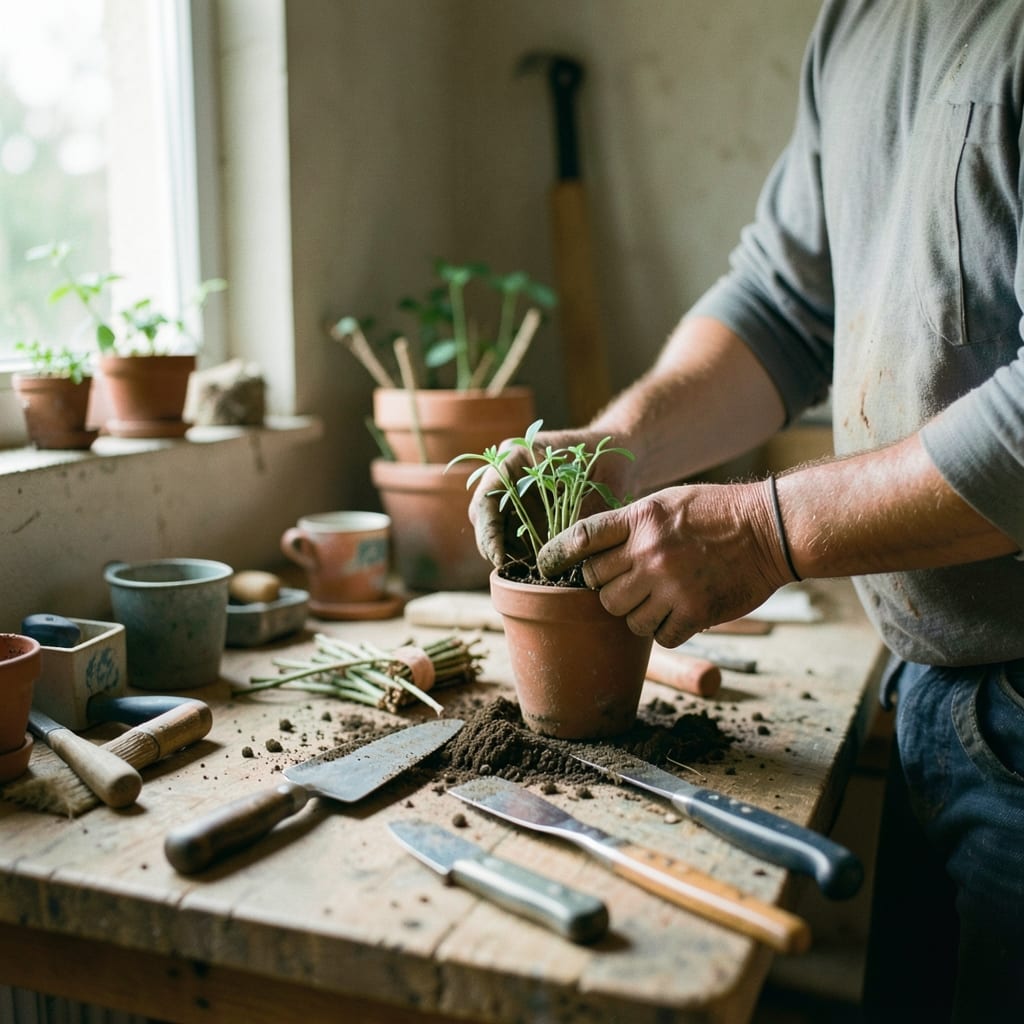
Welcome to Shrub Pruning
You’ve got a shrub that’s stopped blooming, or one that’s grown into a tangled mess, or simply looks like it’s giving up. Maybe you’ve tried pruning before and ended up with dead branches or a plant that never recovered.
Shrub Pruning exists for gardeners who want to cut back with confidence—not just to tidy up, but to unlock the next season of growth.
This is where you learn the *why* behind every cut. No vague advice about ‘shaping’ or ‘maintaining.’ Just the sharp, practical steps that actually work, whether you’re dealing with a stubborn hydrangea, a leggy boxwood, or a rose bush that refuses to cooperate.
The tools, the timing, and the mistakes to avoid—all of it, spelled out so you can prune like someone who knows what they’re doing.
Our story
In 2018, Harriet Radcliffe was knee-deep in her grandmother’s overgrown rose garden in rural Yorkshire, trying to salvage a bush that had been neglected for years. The branches were knotted, the center was bare, and no amount of snipping seemed to help.
She spent three hours that afternoon—from 3 PM until dusk—reading conflicting advice online, only to end up with a rose bush that looked worse than before.
That night, she scribbled down the *real* steps she’d taken, the ones that finally worked: cutting back the dead wood first, then thinning the center, then—only then—shaping the outer growth. It wasn’t pretty, but it was *right*.
The next spring, the roses bloomed better than they had in a decade.
She wrote it down, not as a recipe, but as a set of rules: *When to cut, what to look for, and how to tell if you’ve gone too far.* That first post went viral in gardening forums because it wasn’t just theory—it was the kind of advice you’d get from a master pruner standing over your shoulder, pointing at the exact spot where you were cutting wrong.
What started as a single blog post became a site. The rules expanded: how to revive a shrub that’s been pruned to death, why some cuts heal faster than others, and the one tool every gardener wastes money on.
The tone stayed the same—no poetic metaphors, no ‘gardening as therapy’ nonsense. Just the sharp, unvarnished truth about what works, what doesn’t, and why.
What we stand for
We believe pruning should be precise, not artistic. A shrub doesn’t care if your cuts are ‘clean’ or ‘aesthetic’—it cares whether you’re removing the right parts. We cut to the science of growth, not the look of the moment.
What you will always get here
- The exact tools you need—and which ones you can ignore.
- When to prune (and why timing matters more than you think).
- How to spot a ‘dead’ branch that’s actually still alive.
- What to do when you’ve already pruned too much.
Meet the team
Behind Shrub Pruning is a small group of gardeners who’ve spent years studying how plants respond to cuts—not just the ‘right’ way, but the *why*. We’re not botanists with PhDs; we’re the people who’ve pruned their way through failures, near-misses, and a few outright disasters.
Our work is built on the lessons learned from the garden itself: the branches that refused to heal, the shrubs that bloomed back stronger after a brutal cut, and the ones that never recovered because we didn’t understand the rules.
Harriet Radcliffe

Harriet Radcliffe is the founder and editor of Shrub Pruning, and her approach to gardening was shaped by her grandmother’s stubborn refusal to follow ‘rules.’ The woman who taught her to prune would hack back a hedge with a pair of old shears, then shrug when the neighbors asked why it looked uneven. ‘Plants don’t care about symmetry,’ she’d say. ‘They care about light and air.’ That lesson—*growth over aesthetics*—is the core of this site.
Harriet’s desk is cluttered with a pair of well-worn Felco pruners, a dog-eared copy of *The New Pruning Book*, and a notebook where she sketches the ‘before’ and ‘after’ of every shrub she works on. Her biggest pruning mistake?
Cutting back a hydrangea in late summer instead of early spring, then watching in horror as the next season’s blooms never formed.
I still remember the first time I saw a shrub *breathe* after a proper prune. It wasn’t pretty in the moment—just a mess of branches on the ground—but by the next spring, it was thicker, fuller, and covered in flowers. That’s the magic of pruning: you’re not just shaping a plant, you’re telling it how to grow. And if you get it wrong? Well, at least you’ll learn why.
Harriet Radcliffe
How we create our content
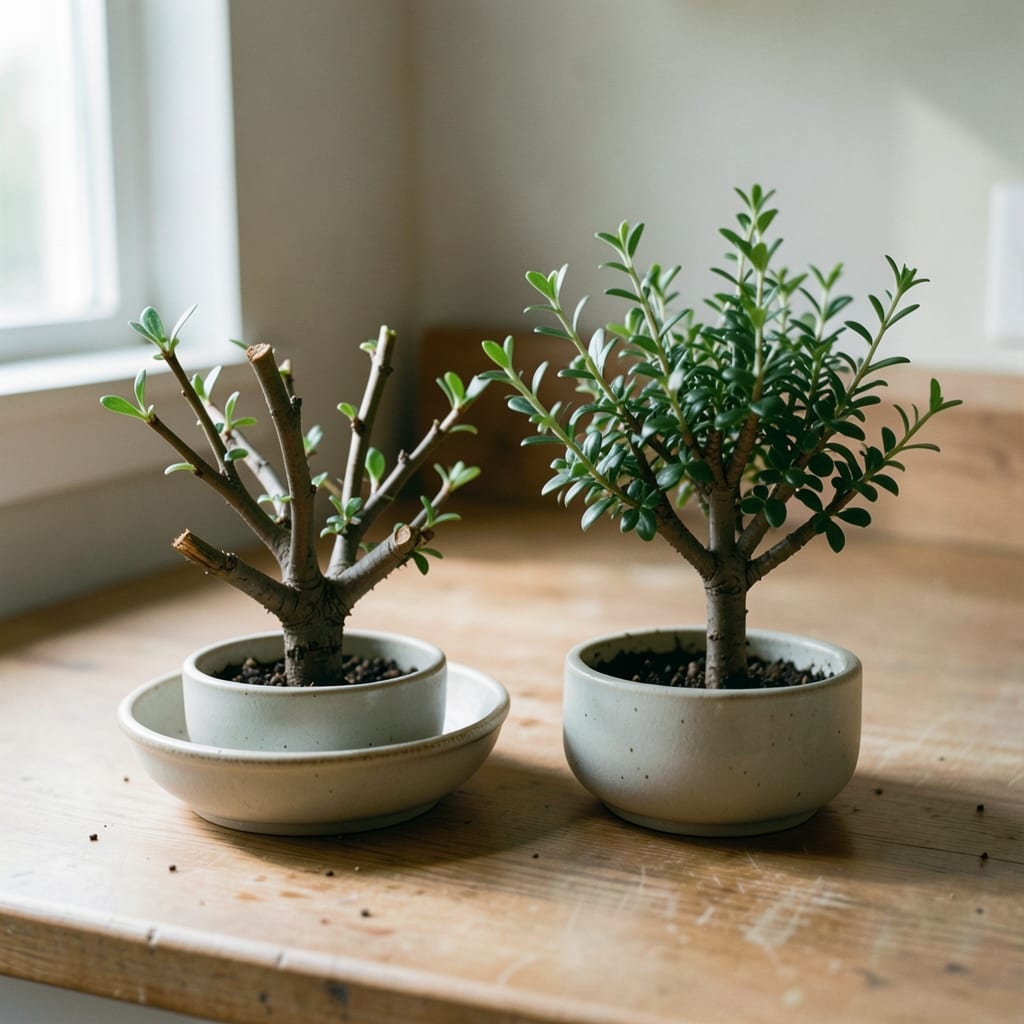
Every piece on Shrub Pruning starts with a problem: a shrub that’s not blooming, a hedge that’s growing into a wall, or a gardener who’s afraid to touch their prized rose bush. We don’t begin with theory—we start with the *real* question, the one that keeps gardeners up at night.
Then we dig into the science: how plants heal, when they’re most vulnerable, and what happens if you cut at the wrong time.
The first cut: research and testing
Before we write a single word, we test every technique in real gardens—not just in controlled conditions. That means pruning the same shrub three different ways, then waiting to see which cuts produce the best regrowth.
We track the timing: how long it takes for a cut to seal, when new shoots appear, and whether the plant blooms earlier or later after a prune. No shortcuts. If a method doesn’t hold up after a full growing season, it doesn’t make the site.
The second cut: refining the details
The real work happens in the edits. We strip away the fluff—no ‘gardening lore’ unless it’s been proven. Every tool recommendation is tested: we compare bypass pruners to anvil pruners, sharp shears to dull, and track which leave the cleanest cuts.
We photograph the *process*, not just the result: the angle of the cut, the placement of the branch collar, the way a shrub looks mid-prune versus after it’s healed. The goal isn’t a pretty picture—it’s showing you exactly where to cut, and why.
Join our community
This site exists because gardeners ask the same questions, over and over: *‘Why won’t my lavender bloom?’ ‘How do I fix a shrub that’s been over-pruned?’ ‘Is it too late to trim my roses?’* Here, you’ll find answers—but you’ll also find the questions others have sent in, the mistakes they’ve made, and the solutions that worked.
If you’ve got a shrub that’s giving you trouble, chances are someone else has already figured out how to fix it. And if not? Send it in. The best suggestions get turned into guides, with your name (and your garden’s story) included.
Let's connect
We love hearing about the shrubs that surprise you—the ones that bounce back after a brutal prune, or the ones that finally bloom after years of neglect. Got a pruning win (or a disaster story)? Share it on the contact page. And if you’re still unsure where to start, ask.
The worst that can happen is we’ll tell you to leave it alone for another year.
The guides are grouped by category: Advice, Aphids, Blooming, Companion Plants, Container Gardens and Diseases.