
Pruning
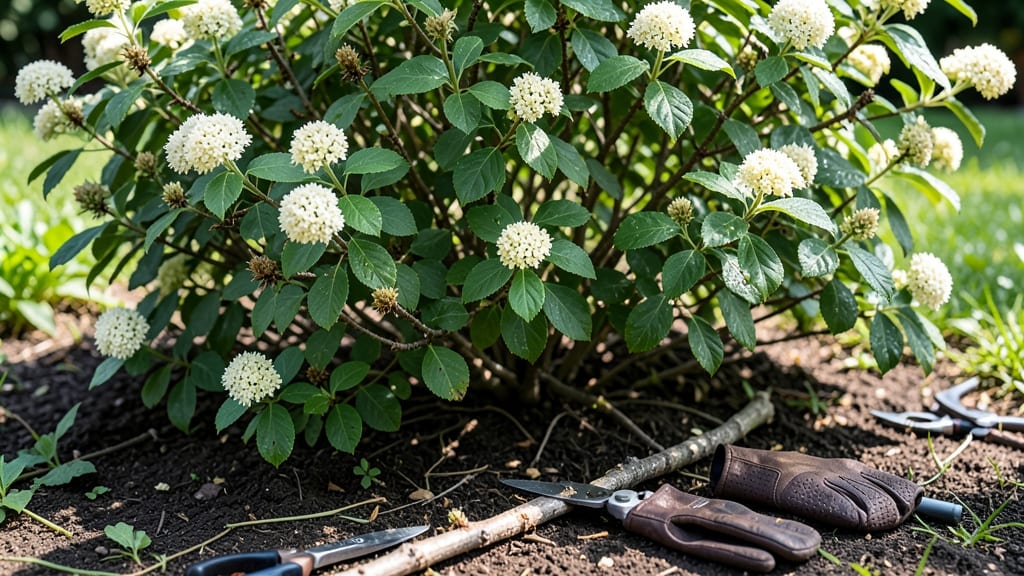
Your overgrown viburnum can go from tangled mess to bushier, blooming beauty—just by pruning it right this winter. ✂️ I’ve turned my own sprawling viburnum from a chaotic thicket into a well-shaped, flower-covered centerpiece by following these key steps during its dormant season.
The secret lies in timing and technique: prune late winter or early spring before new growth starts, and always cut back to the buds or branch collars—never leave stubs.
You’ll remove dead wood, open up the center for airflow, and encourage next year’s blooms to appear thicker and more abundant. With the right tools (clean, sharp pruners and loppers) and a little patience, you’ll see stronger stems and fewer leggy branches by next spring.
The bush will reward you with vibrant clusters of blooms that attract pollinators and brighten your landscape. This method works for viburnum species like Viburnum opulus or Viburnum dentatum, and it’s perfect for restoring shape after years of neglect. Let’s get those branches under control!
📚 In This Guide
- What you need
- Instructions
- Tips and common mistakes
- Wrapping up and next steps
What you need
- ● Pruning shears – Bypass pruners (sharp, 6-8 inch blades) for clean cuts on smaller branches.
- ● Loppers – Long-handled (20-24 inch) for thicker branches (½ inch to 2 inches in diameter).
- ● Pruning saw – Curved-tooth or bow saw for branches thicker than 2 inches.
- ● Gloves – Heavy-duty, cut-resistant to protect your hands from thorns and sharp edges.
- ● Disinfectant (70% isopropyl alcohol or bleach solution) – 1 part bleach to 9 parts water to sterilize tools and prevent disease spread.
- ● Heavy-duty trash bags or bucket – For collecting pruned branches and debris.
- ● Ladder (if needed) – Sturdy, extendable for reaching higher branches (ensure it’s stable and rated for your weight).
- ○ Marking twine or flags – Optional but helpful for tagging branches to prune (if working in stages).
- ● Hand pruners – For fine-tuning smaller stems and deadheading spent blooms.
- ● Rubbing alcohol wipes – Quick cleanup for tools between cuts.
- ● Pruning sealant – Only for large cuts (if your viburnum is prone to bleeding sap).
- ● Work gloves with grip – For extra comfort if your viburnum has lots of thorns.
- ● Camera or sketchbook – To map out your pruning plan before you start.
Step-by-step guide to pruning overgrown viburnum
Here's the method I've used to revive leggy, overgrown viburnum bushes—transforming them into dense, blooming powerhouses.
✂️ Step 1: Prepare Your Tools and Workspace
Start by sharpening your pruning shears and sterilizing them with rubbing alcohol. Viburnum's sap can harbor diseases, so clean tools between cuts. I always work on a dry, sunny day when the plant isn't actively growing—late winter or early spring is ideal. Lay out a tarp beneath the bush to catch debris and make cleanup easier.
Gather your supplies: a pair of bypass pruners for clean cuts, loppers for thicker branches, and a small pruning saw if you encounter any stubborn wood. Wear gloves to protect your hands from thorns and sap. This is the moment that matters: proper prep prevents post-pruning stress on the plant.
🌿 Step 2: Remove Dead, Damaged, or Crossing Branches
Begin by identifying and removing any dead, diseased, or damaged branches—they're the first to go. Look for branches with no green tissue inside when you cut them open, or those with dark, shriveled leaves. Cut these back to the main stem or to a healthy lateral branch. You'll notice the bush immediately looks lighter and more open.
Next, tackle crossing branches or those growing inward toward the center of the plant. These compete for sunlight and air circulation, creating a weak, crowded center. Make your cuts just above a outward-facing bud or lateral branch. I like to visualize the plant's natural shape—this helps me decide which branches to keep for a full, rounded form.
✂️ Step 3: Thin Out Overcrowded Areas
Step back and assess the bush's overall structure. Your goal is to create an open center with branches spaced about 6-12 inches apart on mature wood. Focus on removing branches that are too close together or growing in the same direction. This encourages airflow and sunlight penetration, which are critical for healthy blooms and berries.
For each branch you remove, cut back to a strong lateral branch or bud. Avoid leaving stubs—always make clean cuts just outside the branch collar. You'll see a noticeable improvement in the plant's ability to support new growth once you've thinned out these crowded areas. Real talk: this step takes patience, but it's worth it for that lush, bushy look.
🌱 Step 4: Shape the Bush for Optimal Growth
Now it's time to shape the viburnum into its natural, rounded form. Start by identifying the main framework branches—these are the sturdy, older branches that form the bush's skeleton. Prune any branches that are growing too upright or outward, as these can become weak and flop over. Instead, encourage branches that grow at a 45-degree angle or less.
For each cut, aim to maintain the plant's natural shape while promoting a dense, layered look. You'll want to leave about one-third to one-half of the plant's older wood intact—this ensures the bush retains its structural integrity while encouraging new growth. Here's the thing: viburnum responds well to pruning, so don't be afraid to make bold cuts. The bush will reward you with vigorous new shoots and abundant blooms.
⏰ Step 5: Clean Up and Monitor Progress
After pruning, rake up all the debris and dispose of it properly—never leave it on the ground, as it can harbor pests and diseases. Water the base of the plant deeply to help it recover from the stress of pruning. Over the next few weeks, you'll see new growth emerging from the pruned areas, signaling that the plant is healing and preparing for the growing season.
Monitor the viburnum closely in the weeks following pruning. If you notice any signs of stress, such as wilting or yellowing leaves, provide additional water and consider applying a balanced fertilizer to encourage recovery. With proper care, your viburnum will thrive, producing an abundance of fragrant blooms and colorful berries for years to come. You've got this!
Tips & tricks for pruning overgrown viburnum
These insider techniques will help you transform your leggy viburnum into a thriving, blooming beauty with minimal stress.
Tool Prep is Non-Negotiable: Sterilizing your tools with rubbing alcohol between cuts isn't just about hygiene—it's about preventing disease spread. I've seen entire viburnum bushes decline from using contaminated shears. For stubborn branches, a small pruning saw creates cleaner cuts than brute force with loppers, reducing tear-out damage to the branch collar. The goal is to make cuts that heal properly, not ones that leave jagged wounds.
Visualize the Final Shape: Before making any cuts in Step 4, step back and mentally trace the ideal rounded form. Viburnum naturally grows in a multi-stemmed shrub shape, so aim for 3-5 main scaffold branches spaced evenly around the center. When cutting back upright branches, look for lateral buds growing at a 45-degree angle—they'll become your new growth leaders. This shaping technique creates that signature dense, layered look that makes viburnum so appealing.
Timing Matters More Than You Think: Late winter or early spring is the sweet spot because the plant is still dormant but about to burst with new growth. Pruning too early in winter leaves it vulnerable to cold damage, while pruning too late in spring removes potential flower buds. I always check for swollen buds—when you see them, that's your cue to prune. This timing ensures you're not sacrificing next year's blooms for this year's shape.
Post-Pruning Care Prevents Stress: That deep watering after cleanup isn't just a formality—it's essential for recovery. I've found that adding a slow-release balanced fertilizer (like 10-10-10) at this stage gives the plant the nutrients it needs to heal and prepare for new growth. The key is to avoid heavy nitrogen fertilizers immediately after pruning, as they encourage leafy growth at the expense of root and flower development.
Pro Tips for Pruning Overgrown Viburnum
- These insider techniques will help you transform your leggy viburnum into a thriving, blooming beauty with minimal st...
- Tool Prep is Non-Negotiable: Sterilizing your tools with rubbing alcohol between cuts isn't just about hygiene—it's a...
- Visualize the Final Shape: Before making any cuts in Step 4, step back and mentally trace the ideal rounded form. Vib...
Frequently asked questions
about pruning overgrown viburnum—because even the pros need a little clarity! Here are answers to the most common questions to help you tackle your pruning project with confidence.When is the best time to prune viburnum?
Always prune viburnum during its dormant season—late winter or early spring (before new growth starts). This timing minimizes stress on the plant and promotes healthier blooms. Avoid pruning in fall, as it can leave the plant vulnerable to cold damage or pests.
Can I prune viburnum in summer?
While you can prune viburnum in summer, it’s not ideal. Summer pruning can stress the plant, reduce flowering, and even attract pests. If you must prune during the growing season, do so lightly and only to remove dead or diseased branches. Wait for dormant season for major shaping!
Will pruning viburnum reduce next year’s flowers?
Not if done correctly! Pruning in dormant season actually encourages more vibrant blooms by improving airflow and sunlight penetration. Just avoid cutting back old wood (last year’s growth) if your viburnum blooms on previous-season wood—check your variety first!
What if my viburnum doesn’t bloom after pruning?
If your viburnum skips blooms post-pruning, you may have cut too aggressively or pruned at the wrong time. Some varieties (like Viburnum bodnantense) bloom on old wood, so avoid heavy cuts. For spring-blooming types, focus on light shaping and removing dead wood instead.
Can I shape viburnum into a tree?
Many viburnums (like Viburnum dentatum) can be trained into a small tree with a single trunk and tiered branches. Start by selecting a strong central leader, then prune lower branches to create a clean trunk. Use selective pruning to maintain an open, airy canopy.
Wrapping up and next steps
Pruning your overgrown viburnum in the dormant season isn’t just about tidying up—it’s your secret to lush, vibrant blooms and a healthier plant! By following the right techniques, you’ll encourage bushier growth, better airflow, and fewer pests.
Now that you’re armed with the tools, timing, and steps, there’s no better time to roll up your sleeves and transform that wild shrub into a showstopper. 🌿✨
Ready to take action? Grab your pruners, mark your calendar for late winter or early spring, and give your viburnum the revival it deserves. Your future blooms will thank you!