
Pruning
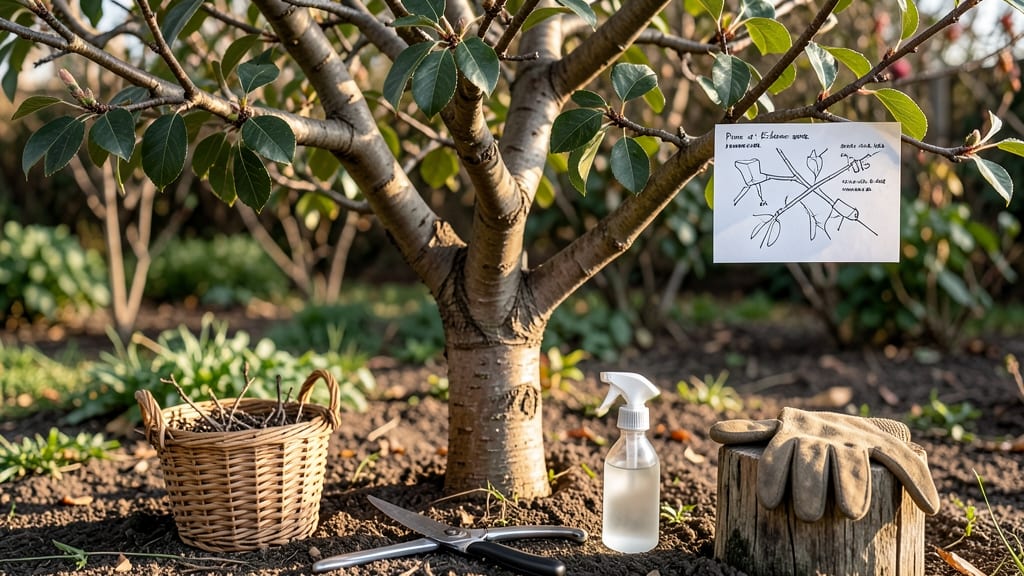
Fall pruning peach trees is the secret to stronger branches and bigger harvests next summer. ✂️ I learned the hard way—skipping this step left my trees vulnerable to winter storms and disease, but now they thrive with just three focused cuts each year.
The key is timing: wait until leaves fall completely but before hard frosts set in, usually 4-6 weeks after harvest in most climates.
Start by removing any dead, crossing, or diseased branches first—they’re the weak points that let cold air and pests invade. Next, thin out crowded branches to improve airflow, which cuts down on fungal problems like peach leaf curl.
Finally, shape the tree to open its center, letting sunlight reach the core where fruit forms. A good rule: never leave stubs—cut just outside the branch collar where it meets the trunk.
After pruning, clean your tools with rubbing alcohol to prevent spreading disease, and spread 2-3 inches of mulch around the base to protect roots from freezing. Your tree will reward you with healthier growth in spring and fewer pests all season long.
The best part? This one-time effort saves you from major cleanup work later.
Works for both young trees and mature ones, though young trees need more aggressive shaping. If you’re in a cold climate, wait until late fall when temperatures stay above 25°F at night to avoid frost damage. Now grab those shears—your tree’s winter prep starts today!
📚 In This Guide
- What you need
- Instructions
- Tips and common mistakes
- Wrapping up and next steps
What you need
- ● Pruning shears or loppers: Sharp, bypass pruners (for small branches) or loppers (for thicker limbs, ½"–1" diameter). Pro tip: Disinfect blades with rubbing alcohol to prevent disease spread! 💡
- ● Hand saw: A pruning saw with a curved blade for branches over 1.5" in diameter.
- ● Gloves: Heavy-duty, cut-resistant gloves to protect from thorns and splinters.
- ○ Disposable pruning sealant: Optional but helpful for sealing large cuts (1–2 tubes).
- ● Bucket or tarp: A 5-gallon bucket or large tarp to collect debris (avoid composting diseased wood!).
- ● Ladder (if needed): A sturdy, extension ladder (16–24 ft) for tall trees—never stand on wobbly ladders! ⚠️
- ● Weather check: Prune on a dry, sunny day (avoid rain or frost).
- ● Safety glasses: Protect your eyes from debris (especially when sawing!).
- ● Long sleeves/pants: Wear long clothing to guard against thorns and scratches.
- ● Tree health assessment: Inspect the tree for diseased or dead branches (they’ll need extra attention!).
- ● Rag or paper towels (for quick cleanups).
- ● Marking spray (to tag branches for removal).
- ● Sharpie (to label cuts if needed).
- ● Knee pads (for those who prefer to work close to the ground!).
Step-by-step guide to pruning peach trees in fall
Fall is the perfect time to shape your peach tree for next year’s harvest—here’s how to do it right.
✂️ Step 1: Remove Dead, Diseased, or Damaged Branches First
Start by scanning the tree for any branches that are dead, diseased, or physically damaged. Dead branches will be dry and brittle, while diseased ones might show dark spots, oozing sap, or unusual growths. Use clean, sharp pruning shears to make your cuts—dull tools crush the wood, inviting infections.
Cut these branches back to a healthy bud or branch junction, angling the cut slightly downward to prevent water from pooling. I always work from the bottom up, so I’m not standing on a ladder when I’m done with the easier branches. Remove any branches that are crossing or rubbing against each other—they’ll create wounds that attract pests.
🌿 Step 2: Thin the Canopy for Better Airflow and Light
Peach trees need good airflow to prevent fungal diseases like brown rot. Look for branches that are growing inward or too densely packed. Your goal is to create an open center, allowing sunlight to reach the inner branches. Remove about 20-25% of the tree’s foliage—this might sound aggressive, but it’s what keeps your tree healthy.
Focus on branches that are thinner than a pencil or growing straight up from the main trunk. These are called "water sprouts" and they steal energy from fruit production. Cut them back to a strong lateral branch or bud. If you’re unsure about a cut, imagine how the tree will look from all sides—you want balance, not a lopsided silhouette.
☀️ Step 3: Shape the Tree for Winter and Next Year’s Growth
Now it’s time to refine the tree’s shape. Peach trees grow best with a slightly rounded top and an open center. Look for branches that are growing too close to the ground or those that are competing with stronger branches. Cut these back to a healthy bud or side branch, making sure your cuts are just outside the branch collar—the swollen area where the branch meets the trunk.
If you’re pruning a young tree, this is your chance to establish its framework. For mature trees, avoid heavy pruning—just light shaping to encourage new growth in the right places. Finish by cleaning up any small twigs or debris from the ground. Dispose of diseased branches in the trash, not the compost pile, to prevent spreading problems.
Here’s the thing—peach trees are resilient, but they reward careful pruning. If you’re still unsure, take a photo of your tree before and after to track progress. Next spring, you’ll see stronger branches and more fruit as a thank-you for your fall prep.
Tips & tricks for pruning peach trees in fall
Pruning your peach tree in fall might seem intimidating, but these simple tricks will help you shape your tree like a pro. Here's what I've learned from years of trial and error in my own backyard.
Tool Prep: Before you even touch a branch, make sure your pruning shears are clean and sharp. I've ruined more cuts than I can count using dull tools—crushed wood invites infections. Wipe down your shears with rubbing alcohol between cuts, especially if you're working with diseased branches. A small investment in a good pair of bypass pruners will make all the difference for clean cuts that heal properly.
Visualize First: In Step 2, when you're thinning the canopy, take a step back and really look at your tree from all angles. I always sketch a rough outline of what I want the tree to look like after pruning. This helps me decide which branches to remove to create that open center. Remember, you're aiming for sunlight to reach all parts of the tree—this isn't just about looks, it's about your tree's health. The 20-25% foliage reduction might seem drastic, but trust me, your tree will thank you next spring.
Branch Collar Awareness: When shaping in Step 3, pay special attention to where each branch meets the trunk. That swollen area is called the branch collar, and it's crucial for the branch's healing process. Always make your cuts just outside this collar—never inside it. I've made this mistake more times than I'd like to admit, and it always leads to slower healing and potential infections. Take your time here; this is where proper technique really matters.
Seasonal Timing Tip: While fall is ideal for pruning, there's a sweet spot within the season. Aim to finish your pruning about 4-6 weeks before your area's first hard frost. This gives your tree enough time to heal before winter sets in. In my zone 7 garden, that means wrapping up by mid-November. If you're in a colder climate, you might need to adjust this timeline slightly—just make sure your tree has time to recover before dormancy.
Pro Tips for Prune Peach Trees In Fall
- Pruning your peach tree in fall might seem intimidating, but these simple tricks will help you shape your tree like a pro.
- Tool Prep: Before you even touch a branch, make sure your pruning shears are clean and sharp.
- Visualize First: In Step 2, when you're thinning the canopy, take a step back and really look at your tree from all angles.
Frequently asked questions
Got questions about pruning your peach tree in the fall? You’re not alone! Here are some of the most common concerns—plus straightforward answers to keep your tree thriving.
Can I prune my peach tree too late in the fall?
Ideally, finish pruning by mid-to-late fall (before hard frosts) to allow wounds time to heal before winter. If you miss the window, wait until early spring—just avoid pruning during active growth (like late spring/early summer) to prevent disease risks like bacterial leaf spot.
How much should I cut back in one session?
Remove no more than 25% of the tree’s canopy in a single session to avoid stress. Focus on:
- Dead, diseased, or crossing branches (priority #1!)
- Suckers (shoots at the base) and water sprouts (vertical, fast-growing branches).
- Thinning out crowded branches to improve airflow.
Do I need to prune if my peach tree is young?
Yes! Young peach trees (1–3 years old) benefit from light pruning to:
- Encourage a strong central leader (main upright branch).
- Remove competing leaders (multiple upright stems) to avoid weak structure.
- Open the canopy for sunlight and air circulation.
How do I prevent peach tree diseases after pruning?
Follow these 3 steps to minimize risks:
- Sterilize tools: Wipe blades with rubbing alcohol or a 10% bleach solution between cuts.
- Seal wounds: Use pruning sealant (optional for peaches) on cuts larger than ½-inch.
- Clean up debris: Remove fallen leaves/branches to reduce fungal spores.
Will pruning now affect next year’s fruit?
Pruning in fall won’t hurt next year’s harvest—in fact, it sets the stage for better fruit production! By removing dead wood and improving airflow, you:
- Reduce disease pressure (which can kill fruit).
- Encourage stronger, more productive branches.
- Make it easier to harvest (fewer tangled branches!).
Wrapping up and next steps
Pruning your peach tree in fall is a simple yet powerful way to ensure a healthier, more productive tree for next season. By removing dead, crossing, or overcrowded branches, you’re setting the stage for better airflow, sunlight exposure, and fruit quality—and reducing disease risks.
Now that you’re armed with the right tools and techniques, there’s no better time to roll up your sleeves and give your tree the care it deserves!
Ready to take action? Mark your calendar for late fall or early winter—just before dormancy—to tackle this essential task. Your future peach harvest will thank you! 🌳✨