
Pruning
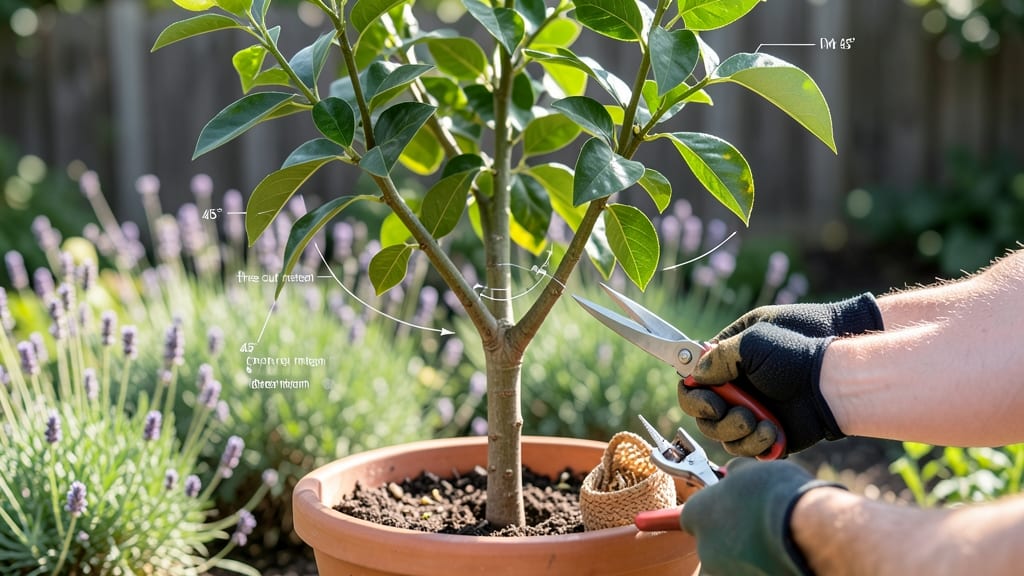
Pruning young fruit trees isn’t just about shaping—it’s about setting up your tree for decades of strong growth and heavy harvests. ✂️ I’ve watched my peach tree go from a tangled mess to a sturdy, productive frame in just three years, all thanks to these three key steps that focus on removing the wrong branches first and keeping the right ones strong.
The secret lies in timing: prune in late winter or early spring when the tree is still dormant but about to wake up.
You’ll use sharp pruners to make clean cuts just outside the branch collar, and the goal is simple—open up the center so sunlight reaches all the way to the trunk. This isn’t about being neat; it’s about giving your tree room to grow.
By summer’s end, you’ll see the difference: fewer weak, crossing branches and more sturdy canes reaching toward the sky. The tree will direct its energy into fewer, stronger limbs that can support fruit later on.
My first pruned apple tree now produces bushels of fruit, while my unpruned neighbor’s still struggles with tangled limbs.
This method works for apples, peaches, cherries, and plums—just adjust the timing slightly for stone fruits. The key is consistency: do this every year, and your tree will thank you with bigger harvests and easier maintenance down the road.
📚 In This Guide
- What you need
- Instructions
- Tips and common mistakes
- Wrapping up and next steps
What you need
- ● Pruning shears: Bypass-style (for clean cuts on branches Quantity: 1 (high-quality, sharp blades).
- ● Loppers: Bypass or anvil (for branches 1/2"–2" thick). Quantity: 1 (long handles for reach).
- ● Pruning saw: Curved-tooth (for branches >2" thick). Quantity: 1 (with a comfortable grip).
- ● Gloves: Leather or heavy-duty garden gloves (protect hands from thorns and rough bark). Quantity: 1 pair.
- ● Disinfectant: 70% isopropyl alcohol or bleach solution (1 part bleach to 9 parts water). Quantity: Small spray bottle or cloth.
- ● Rubbing alcohol or hydrogen peroxide: 3% solution (for sterilizing tools between cuts). Quantity: Small bottle.
- ○ Tree wound paint or pruning sealant: Optional but helpful (for larger cuts >1/2" diameter). Quantity: Small bottle.
- ● Safety gear: Sunglasses, long sleeves, and closed-toe shoes (protect against debris and thorns).
- ● Weather check: Prune on a dry, overcast day (avoid windy or rainy conditions).
- ● Tree age confirmation: Ensure your tree is 1–3 years old (ideal for formative pruning).
- ● Branch mapping: Sketch or mentally note the tree’s structure before cutting (use a notepad or phone app).
- ● Cleanup supplies: Garden bag or bucket (for collecting pruned branches). Quantity: 1–2.
- ● Ladder: Lightweight, sturdy (for taller trees; extendable or step ladder).
- ● Pole pruner: For high branches (avoids ladder use).
- ● Tree ties or tape: Soft fabric or rubber (to secure branches if needed).
- ● Pruning guidebook or app: Species-specific (e.g., "Pruning Stone Fruit Trees" for peaches/plums).
Step-by-step instructions for pruning young fruit trees
Here's how I prune young fruit trees to build strong branches and set up future harvests.
✂️ Step 1: Remove Dead, Diseased, or Crossing Branches
Start by inspecting the tree for any branches that are dead, diseased, or rubbing against others. Dead branches snap easily when bent—if it breaks, it's dead. Diseased branches often have dark spots, oozing sap, or unusual growth patterns. Crossing branches compete for energy and can damage each other over time.
Use sharp bypass pruners to make clean cuts just outside the branch collar—the swollen area where the branch meets the trunk. Never leave stubs; they invite rot and disease. If a branch is larger than ½ inch in diameter, use a pruning saw instead. I always sterilize my tools with rubbing alcohol between cuts to prevent spreading any potential pathogens.
✂️ Step 2: Open the Tree's Center for Better Airflow
Young fruit trees need good airflow to prevent fungal diseases and encourage strong, sturdy growth. Look for branches growing inward toward the center of the tree. These create a dense canopy that traps moisture and blocks sunlight from reaching the interior. Remove about 25% of the smallest branches to open the center up while maintaining the tree's natural shape.
Focus on branches that are thinner than a pencil—these are easier to remove and won't leave large wounds. Make your cuts just above an outward-facing bud or at a natural branch junction. This ensures the tree directs its energy into healthy growth rather than trying to heal awkward cuts. Step back occasionally to visualize the tree's structure; you want to see light and air moving freely through the center.
✂️ Step 3: Shape the Tree for Future Growth
Now it's time to establish the tree's basic framework. For most fruit trees, I aim for a central leader—the main vertical trunk—with 3-4 main scaffold branches spaced evenly around it. These scaffold branches should emerge from the trunk at a 45-60 degree angle for maximum stability. If any branches grow too upright or downward, prune them back to a side branch that grows at a better angle.
Cut just above an outward-facing bud to encourage the branch to grow outward rather than inward. For apples and pears, I often use the "open-center" method, where I remove the central leader entirely and allow several main branches to form a vase-like shape. Peaches and plums usually benefit from a more upright, central leader. Always prune during the tree's dormant season—late winter or early spring—to minimize stress and disease risk.
Tips & tricks for pruning young fruit trees
Pruning young fruit trees might seem intimidating, but these simple tricks will help you build a strong, productive tree for years to come.
Tool Prep: Before you start, make sure your pruning tools are sharp and clean. Dull blades tear wood, creating larger wounds that heal poorly. I like to sharpen my bypass pruners with a file and wipe them down with rubbing alcohol between cuts. This prevents spreading diseases between branches. Remember, the cleaner your cuts, the faster the tree heals.
Visualize First: Step back and look at your tree from all angles before making any cuts. I often sketch a rough diagram of the tree's structure to plan where I'll remove branches. This helps me see how the tree will look after pruning. Focus on creating an open center that allows sunlight and air to reach all parts of the tree—this is key for preventing fungal diseases and encouraging fruit production.
Bud Direction Matters: When you make cuts, always aim just above an outward-facing bud. This encourages new growth to develop outward, away from the center of the tree. If you cut above an inward-facing bud, the new branch will grow toward the center, creating the dense canopy you're trying to avoid. Think of it like guiding the tree's future growth pattern with each cut you make.
Season Timing: Prune during the tree's dormant season, which is late winter or early spring before buds begin to swell. This timing minimizes stress on the tree and reduces the risk of disease. If you must prune during the growing season, do so on a cool, overcast day to prevent excessive water loss through the fresh cuts.
Pro Tips for Pruning Young Fruit Trees
- Pruning young fruit trees might seem intimidating, but these simple tricks will help you build a strong, productive tree for years to come.
- Tool Prep: Before you start, make sure your pruning tools are sharp and clean.
- Visualize First: Step back and look at your tree from all angles before making any cuts.
Frequently asked questions
Got questions about pruning young fruit trees?
You’re not alone! Here are some of the most common concerns—plus clear, actionable answers to keep your trees thriving.
When is the best time to prune young fruit trees?
Prune in late winter or early spring, just before buds swell but before new growth starts. This timing promotes strong, healthy canes for the season ahead. Avoid pruning in fall—it can leave wounds vulnerable to disease and pests.
How much should I cut back on a young fruit tree?
For young trees (1–3 years old), aim to remove 20–30% of the total growth per year. Focus on:
- Dead, diseased, or crossing branches
- Suckers (shoots growing from the base)
- Weak or inward-growing limbs
Can I prune too much? What are the signs?
Yes! Over-pruning stresses trees, leading to stunted growth, fewer fruits, or even death. Signs include:
- Excessive leaf drop after pruning
- Slow recovery or no new shoots by spring
- Thinning canopy with sparse foliage
Do I need to sterilize my pruning tools between cuts?
Absolutely!
Sterilize tools with rubbing alcohol (70%+) or a 10% bleach solution between trees to prevent spreading bacterial or fungal diseases (like fire blight or anthracnose). Wipe blades clean before and after each session.
What if my tree doesn’t have many branches to prune?
If your young tree is sparse, prioritize:
- Removing only dead or damaged wood
- Avoiding heavy cuts—focus on shaping rather than thinning
- Fertilizing and watering deeply to encourage new growth
Wrapping up and next steps
Pruning young fruit trees might seem intimidating at first, but with the right tools, techniques, and a little patience, you’re well on your way to fostering strong, healthy canes and abundant harvests for years to come! 🌱 Remember, the key is to shape with purpose—removing dead wood, opening the canopy for sunlight, and encouraging airflow to prevent disease.
Your efforts now will pay off in bigger, tastier fruit and easier maintenance down the road.
Ready to take the next step? Monitor your tree’s progress over the growing season, and don’t hesitate to adjust your pruning strategy as it matures. Happy pruning—your future orchard (or backyard snack stash) will thank you! 🍎✨