
Pruning
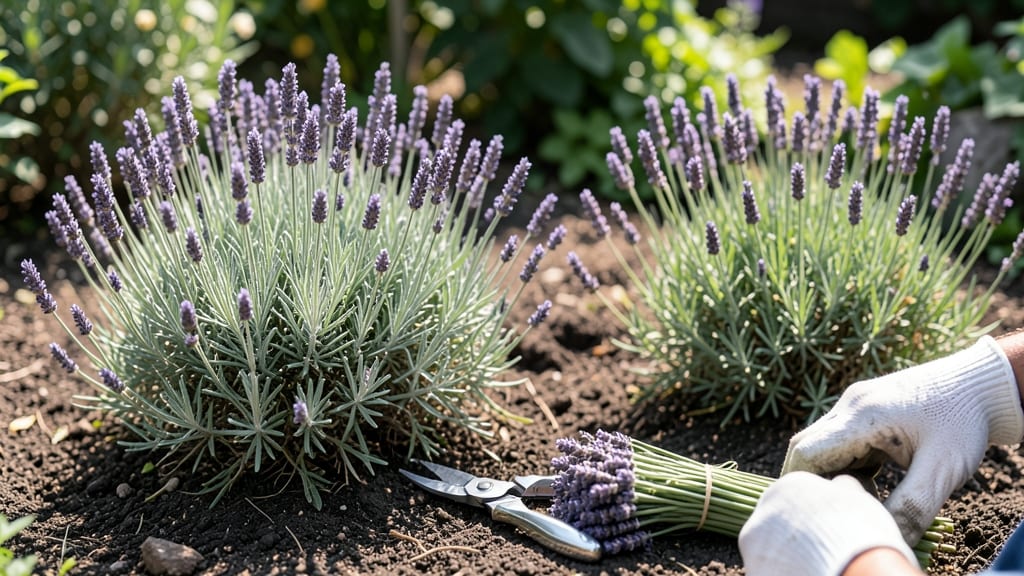
Pruning lavender at the right time is the secret to keeping your 🌿 bushes vibrant, fragrant, and blooming year after year.
Struggling to keep your lavender bushes lush and blooming year after year? The perfect pruning timing can transform your plants from sparse to spectacular—but get it wrong, and you risk stunting growth or even killing your bushes.
Most gardeners make the mistake of pruning too early or too late, which weakens the plant and reduces flowering. The best approach depends on your climate: Mediterranean regions thrive with early spring pruning, while colder zones like USDA Zone 6a benefit from waiting until after the last frost.
In this guide, I’ll walk you through the exact timing, tools, and techniques to prune lavender for bushier blooms, plus how to spot and fix common pruning mistakes before they damage your plants.
When to prune lavender for maximum growth and blooms
Timing your lavender pruning is like catching a wave—get it right, and you’ll ride a surge of healthy growth and abundant blooms. Prune too early or too late, and you risk woody stems or stunted flowering.
The science behind lavender’s growth cycle shows that spring and early fall are the sweet spots, but temperature, moon phases, and growth stages all play a role. Let’s break down the ideal pruning windows to keep your lavender thriving for years.
Lavender is a woody perennial that thrives on structured pruning to encourage dense foliage and vibrant flowers. Research from the Royal Horticultural Society confirms that pruning after flowering—typically in late spring or early summer—stimulates new growth for the next season.
However, early spring pruning (just before new shoots emerge) can also work if you’re shaping young plants. The key is to avoid pruning in winter or late fall, as lavender needs time to harden off before cold snaps.
Here’s the golden rule: Prune lavender when temperatures are consistently above 50°F (10°C). This ensures your plant isn’t stressed by cold while recovering. In USDA Zones 6-9, aim for March-April or September-October.
If you’re in a Mediterranean climate, late spring (after flowering) is ideal. Moon phases also matter—pruning during the waxing moon (when the moon is growing) encourages growth, while a waning moon can slow regrowth.
Now, let’s compare the two best times to prune lavender side by side to help you decide which fits your climate and goals.
| Pruning Time | Best For | Temperature Range | Moon Phase | Growth Stage | Bloom Impact |
|---|---|---|---|---|---|
| Early Spring (March-April) | Shaping young plants, renewing old growth | 50-65°F (10-18°C) | Waxing moon | Before new shoots emerge | Encourages dense foliage |
| Early Fall (September-October) | Light maintenance, post-flowering trim | 55-70°F (13-21°C) | Waning moon | After flowering, before dormancy | Prepares for winter, promotes next year’s blooms |
| Late Spring (June-July) | Deadheading spent blooms | 60-85°F (16-29°C) | Waxing moon | After flowers fade | Extends bloom season, prevents seed formation |
If you’re in a cooler climate (Zones 4-5), stick to early spring pruning—just as the first buds appear. This gives your lavender enough time to recover before winter.
In warmer zones (Zones 8-10), late spring or early fall works best, as the heat can stress lavender if pruned too late in the season. Always prune on a dry, overcast day to reduce stress on the plant.
Watch for new growth signs like tender green shoots or swollen buds—these are your cues to prune. Avoid cutting into old woody stems, as lavender struggles to regenerate from these. Instead, focus on soft green growth at the tips.
For English lavender varieties, you can be slightly bolder with pruning, but Spanish or Portuguese lavender are more sensitive and need gentler trims.
Pro tip: Use sharp bypass pruners to make clean cuts just above a leaf node. This encourages branching and a fuller bush. If you’re pruning for harvesting purposes, wait until after the first flush of flowers in late spring or early summer.
Cut stems at a 45-degree angle to prevent water from pooling and causing rot.
One common mistake is pruning lavender in late fall or winter, which can expose tender new growth to frost damage. Another is over-pruning, which removes too much of the plant’s energy reserves.
Aim to remove no more than one-third of the plant’s height in a single session. If you’ve already pruned too much, don’t panic—just reduce watering and fertilizing to help the plant recover.
For container-grown lav
Step-by-step spring pruning guide for lavender bushes
Spring is the perfect time to prune your lavender bushes—but timing and technique make all the difference. If you prune too early, you risk damaging tender new growth, while waiting too long can reduce next year’s blooms.
The key is to act right after the last frost but before the plant puts all its energy into flowering. This guide will walk you through the process step by step, ensuring your lavender stays healthy, bushy, and fragrant for years to come.
Before you begin, gather your pruning tools. A sharp pair of bypass pruners or hand pruners is essential for clean cuts, while a small pair of garden shears helps with shaping. Avoid dull tools—they crush stems and invite disease.
I also recommend wearing gloves to protect your hands from the plant’s oils, which can cause skin irritation. Once you’re ready, let’s dive into the steps to revive your lavender with precision.
🌱 Step-by-Step Spring Pruning Guide
- 1 Wait for the right moment: Prune after the last frost (typically late March to early April in USDA Zone 6a) but before new growth hardens. Look for 1-2 inches of fresh green growth at the base of stems.
- 2 Remove dead or woody stems: Cut back any brown, dead, or overly woody stems to the base. These stems won’t produce new growth and can harbor pests. Use clean, sharp pruners to avoid tearing the plant.
- 3 Shape the bush: Trim back the outer stems by 1/3 to encourage a fuller shape. Avoid cutting into the woody center—this can kill the plant. Focus on creating an open, airy structure to prevent fungal issues.
- 4 Encourage new growth: Cut just above a leaf node or set of leaves to promote branching. This is where new stems will emerge. Avoid leaving stubs—clean cuts heal faster and look better.
- 5 Clean up debris: Remove all pruned stems and debris from the area to reduce disease risk. Lavender thrives in well-draining soil, so avoid piling clippings around the base.
After pruning, your lavender will need some extra care to bounce back strong. Water deeply but sparingly—lavender hates soggy roots. A light mulch of gravel or coarse sand around the base helps retain moisture while preventing rot.
Avoid high-nitrogen fertilizers; lavender prefers low-nitrogen, balanced fertilizer (like 5-10-10) applied lightly in early spring. Within a few weeks, you’ll see fresh green growth signaling your plant’s recovery.
Pro tip: If your lavender is overgrown or leggy, you can prune it back even harder in spring—just don’t cut into the old wood. Young lavender plants (under 2 years old) need minimal pruning; focus on shaping as they mature.
The goal is to balance form and function, ensuring your bushes stay compact, fragrant, and ready for next year’s blooms.
With this method, your lavender will reward you with denser foliage and abundant flowers by mid-summer. The secret? Patience and precision—never rush the process, and always prune with the plant’s natural growth cycle in mind. Happy pruning! 🌿