
Pruning
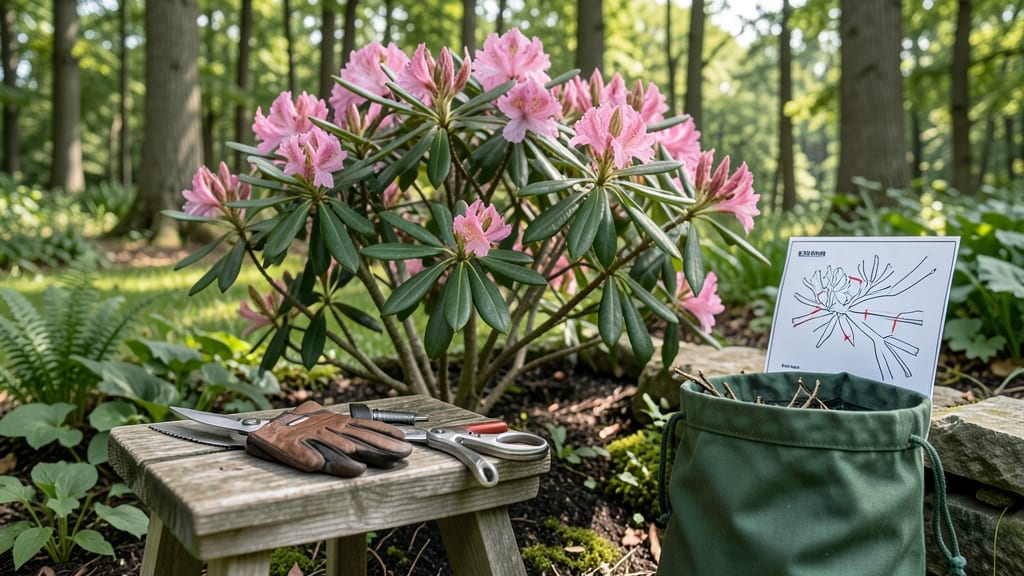
Pruning rhododendrons after blooming isn't rocket science—just three strategic cuts can transform last year's leggy shrub into a bushier, more vibrant plant by next spring. 🌿 I've been pruning mine for years, and the difference in bloom quantity and plant health is shocking.
The key is timing: wait until after the flowers fade but before new buds form, usually in late May or early June.
You only need two things: a pair of clean, sharp pruners (sterilize them with rubbing alcohol first) and a pair of gloves—rhododendrons have those pesky little hairs that stick to everything.
Start by removing any dead or crossing branches first, then shape the shrub by cutting just above a leaf bud. Avoid cutting back into last year's wood, or you'll stunt next year's flowers.
What you'll end up with is a fuller, more compact shrub that blooms even more prolifically next season. The flowers may take a year to recover from aggressive pruning, but the long-term health and vigor make it worth it.
Just avoid pruning in fall or winter, or you risk damaging next year's blooms.
After pruning, give your rhododendron a light feeding with an acid-loving plant fertilizer and keep the soil consistently moist for the next few weeks. Watch for spider mites on new growth—they love fresh pruning cuts—and treat with a strong spray of water if you spot them.
Your shrub will thank you with stronger growth and bigger blooms next year.
📚 In This Guide
- What you need
- Instructions
- Tips and common mistakes
- Wrapping up and next steps
What you need
- ● Pruning shears – Bypass pruners (sharp, clean, and designed for clean cuts; 4-6 inch blades recommended).
- ● Loppers – For thicker branches (8-10 inch blades), ideal if your rhododendron has woody stems.
- ● Garden gloves – Thick, cut-resistant (e.g., 12-14 inch length) to protect hands from thorns and sap.
- ● Disinfectant (70% isopropyl alcohol or bleach solution) – To sterilize tools between cuts and prevent disease spread.
- ○ Pruning sealant (optional but helpful) – Tree wound dressing for sealing larger cuts (if needed).
- ● Heavy-duty trash bags or bucket – For collecting pruned branches and debris.
- ● Ladder (if needed) – A stable, 6-8 ft extendable ladder for reaching taller rhododendrons.
- ● Hand pruners – For fine-tuning smaller cuts or shaping.
- ● Safety glasses – To shield eyes from debris.
- ● Knee pads – If you’re working on the ground for extended periods.
- ● Spray bottle with water – To dampen tools and prevent sap from sticking.
- ● Notebook & pen – To sketch a quick pruning plan if your rhododendron is complex.
Step-by-step instructions for pruning rhododendrons after blooming
Here’s the straightforward approach I use every year to keep my rhododendrons lush and blooming better than ever.
✂️ Step 1: Wait for the Right Time
Prune your rhododendrons only after the flowers fade completely and new growth appears on the stems. This usually happens 4-6 weeks after blooming, depending on your climate. Waiting ensures you don’t accidentally cut off next year’s flower buds, which form after blooming.
Look for spent flower clusters that have turned brown and crispy, and check for new leaf growth at the base of the stems. If you see fresh green leaves emerging, it’s time to prune. Skipping this step can leave your plant looking ragged and reduce future blooms.
✂️ Step 2: Remove Dead or Weak Branches
Start by cutting out any dead, diseased, or crossing branches first. Use clean, sharp pruners to make 45-degree cuts just above a healthy bud or leaf node. This encourages new growth in the right direction and keeps the plant’s energy focused on strong stems.
If a branch is completely dead (no green leaves or flexible stems), cut it back to the main trunk. For weak or leggy branches, trim them back to a strong lateral branch. You’ll notice the plant’s shape improve immediately—this is the foundation for better blooms next season.
✂️ Step 3: Thin Out Overcrowded Areas
Next, focus on thinning out the center of the plant to improve airflow and sunlight penetration. Remove 10-20% of the oldest, thickest stems at the base. These stems often produce fewer flowers and can shade out younger growth.
Make your cuts just above a leaf node or outward-facing bud to encourage new growth that fills in gaps. Avoid cutting into the center too aggressively—you want to maintain the plant’s natural shape while letting light reach the interior. Step back occasionally to check your progress.
✂️ Step 4: Shape and Clean Up
Finally, give your rhododendron a light overall shaping to maintain its natural form. Trim back any overly long or unruly branches to keep the plant compact. Avoid heavy pruning—just enough to tidy up the edges and encourage a fuller look.
After pruning, clean your tools with rubbing alcohol to prevent spreading disease. Remove all clippings from the base of the plant to keep it looking neat. Water the plant lightly if the weather is dry, but avoid overwatering—rhododendrons prefer slightly moist but well-draining soil.
Tips & tricks for pruning rhododendrons after blooming
Here’s what I’ve learned from years of pruning these beauties—simple tricks that’ll keep your rhododendrons thriving without the guesswork.
Timing is Everything: The 4-6 week window after blooming is your sweet spot, but don’t stress if you miss it. If you see new leaf growth starting at the base of stems, that’s your green light—even if it’s slightly later than the ideal window. The key is avoiding those flower buds forming for next year’s blooms, which start developing right after the current flowers fade. I’ve pruned up to 8 weeks after blooming without issues, as long as those buds haven’t appeared yet.
Tool Prep Makes All the Difference: Your pruners should be as sharp as possible—dull blades crush stems instead of making clean cuts, which can damage the plant. Before you start, wipe them down with rubbing alcohol (as mentioned in Step 4) and make a few test cuts on a scrap piece of wood to ensure they’re razor-sharp. This small step prevents tearing and makes your work much cleaner. I keep a small bottle of rubbing alcohol in my gardening toolbox just for this purpose.
Visual Cues for Better Cuts: When making those 45-degree cuts in Step 2, imagine you’re slicing just above where a leaf meets the stem—this is your outward-facing bud. The cut should be angled away from the bud to prevent water from pooling and rotting. Think of it like making a tiny roof over the bud. This technique encourages new growth in the direction you want, creating a fuller, more balanced plant over time. I often sketch this angle on my pruners with a permanent marker as a reminder.
Seasonal Considerations: If you’re in a cooler climate, you might need to adjust your timing slightly. In zones 5-6, I’ve found that waiting until early summer (around June) gives the plant extra time to recover before winter. The key is always watching for those new leaves—never just guessing by calendar dates. This approach has kept my rhododendrons blooming reliably for over a decade, even through some harsh winters.
Pro Tips for Prune Rhododendrons After Blooming
- Here’s what I’ve learned from years of pruning these beauties—simple tricks that’ll keep your rhododendrons thriving without the guesswork.
- Timing is Everything: The 4-6 week window after blooming is your sweet spot, but don’t stress if you miss it.
- Tool Prep Makes All the Difference: Your pruners should be as sharp as possible—dull blades crush stems instead of making clean cuts, which can damage the plant.
Frequently asked questions
Got questions about pruning rhododendrons after they bloom? You’re not alone!
Here are answers to the most common concerns—so you can confidently shape your shrubs without stress.
When is the exact best time to prune rhododendrons after blooming?
The ideal window is 4–6 weeks after flowering, once the blooms fade but before new buds form. For late-spring bloomers (like Rhododendron ‘Catawbiense’), aim for June–July. Pruning too early risks cutting off next year’s flowers!
Can I prune rhododendrons too much—will I harm the plant?
Yes! Never remove more than 1/3 of the plant’s foliage in one season. Over-pruning stresses rhododendrons, weakening growth and flower production. Focus on shaping, deadwood removal, and thinning crowded branches—never drastic cuts.
What if my rhododendron didn’t bloom this year—should I still prune?
Non-blooming shrubs still need pruning
to improve airflow and shape. Check for overcrowded centers or dead/diseased wood—these are top priorities. If blooms are missing, prune lightly to encourage next year’s buds.
Can I prune rhododendrons in fall instead of summer?
Fall pruning is risky—it stimulates late-season growth that may freeze in winter. If you must prune later, do it by early September in mild climates. Otherwise, stick to summer pruning for safety.
My rhododendron leaves turned brown after pruning—what went wrong?
Brown leaves usually mean stress from over-pruning, wrong timing, or cutting into old wood. Avoid pruning into bare stems (no leaves = no food for the plant). If it happens, water deeply and fertilize lightly with acidic compost to recover.
Wrapping up and next steps
Pruning your rhododendrons after blooming is a simple yet powerful way to keep them thriving and beautiful! 🌿 By following the three key cuts—removing spent blooms, shaping the plant, and thinning dense growth—you’ll encourage healthier foliage, more vibrant flowers next season, and a tidier appearance. Don’t let hesitation hold you back—your rhododendrons will thank you!
Now that you’re armed with the know-how, grab your pruners and give your plants the care they deserve. Next, consider enriching the soil with compost or mulch to support their new growth—your garden’s next blooming masterpiece starts with these small steps! 🌸