
Pruning
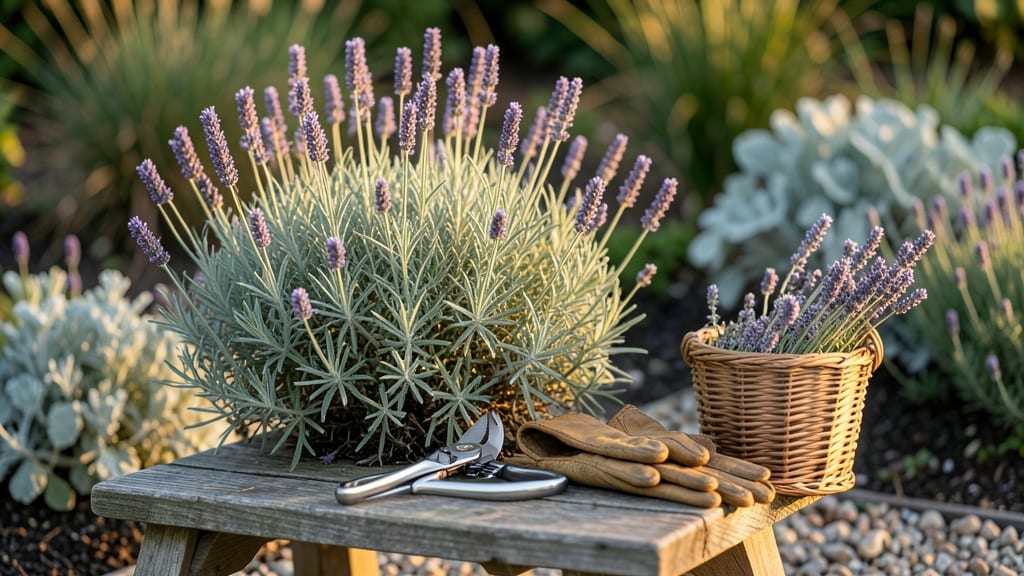
Pruning lavender in autumn transforms next year's blooms from sparse to showstopping. ✂️ I learned the hard way—skipping autumn pruning left my purple bushes leggy and half as productive. The key is timing: after flowering but before hard frost, when the plant rests but hasn't yet gone dormant.
You'll need sharp pruners, gloves (lavender's stems are woody), and a clear day for visibility. Cut back one-third of the current year's growth—never into old wood—and shape into a rounded mound. This encourages dense, bushy growth and prevents woody stems that ruin flowering potential.
By spring, you'll see fresh green shoots emerging from the base, signaling new life. The blooms arrive earlier, last longer, and the fragrance becomes intensely stronger. Just avoid pruning in cold climates if frost is imminent—wait until temperatures stabilize above freezing.
This method works for English lavender, Spanish lavender, and even dwarf varieties. The secret? Consistency—autumn pruning every year keeps lavender thriving for decades. Your neighbors will be jealous of that purple cloud come summer.
📚 In This Guide
- What you need
- Instructions
- Tips and common mistakes
- Wrapping up and next steps
What you need
- ● Pruning shears: Bypass pruners (sharp, clean, and 3-4 inch blades) for precise cuts. 1 pair is all you need!
- ● Hand pruners: Anvil-style (for thicker stems, 4-5 inch blades). 1 pair for backup.
- ● Garden gloves: Heavy-duty, cut-resistant (protects from thorns and sharp stems). 1 pair.
- ● Disinfectant: 70% isopropyl alcohol or bleach solution (1:9 ratio) to sterilize tools between cuts. Small spray bottle or wipe.
- ○ Garden twine or burlap: Optional but handy for bundling pruned stems for composting. 1 roll or sheet.
- ● Lopper: For thick, woody stems (if your lavender is mature). 1.
- ● Hedge shears: For neat, uniform shaping of large lavender hedges. 1 pair.
- ● Compost bin or bag: To collect pruned stems for nutrient-rich compost.
- ● Knee pad or stool: For comfort if pruning large beds.
- ● Label markers: If you’re dividing or relocating lavender plants.
Step-by-step instructions for pruning lavender in autumn
Here's the precise timing and technique I use to prune lavender each fall—guaranteed to prevent woody stems while encouraging next year's blooms.
✂️ Step 1: Time Your Prune for After First Frost
Wait until after your region's first hard frost but before winter dormancy sets in completely. In my USDA Zone 7 garden, that's typically mid-to-late November. Pruning too early stimulates new growth that won't harden off before winter, while waiting too long risks cutting into next year's buds.
Look for brown, crispy foliage as your signal—this indicates the plant has fully entered dormancy. Use sharp, clean pruners to make cuts just above the woody base stems. I like to make a slight upward-facing cut to prevent water from pooling on the stem.
✂️ Step 2: Remove Only Dead and Overly Woody Growth
Never cut into the green growth at the base—this is where next year's flowers will emerge. Focus on removing dead stems and any that have become woody and brittle. You'll know a stem is too woody if it snaps easily when bent or has thickened significantly.
For established plants, I typically remove about one-third of the oldest, most woody stems each year. This prevents the center from becoming hollow while maintaining the plant's natural shape. Avoid shearing—lavender blooms on last year's growth, so precise cuts work better than clean-up cuts.
✂️ Step 3: Shape for Airflow and Sun Exposure
Step back and assess the plant's structure. Lavender needs full sun exposure and excellent airflow to prevent fungal issues. Remove any stems that are growing inward or crossing others. This creates an open, airy structure that lets sunlight reach all parts of the plant.
For bushier growth, I leave the outer stems slightly longer than the inner ones. This encourages new shoots to fill in the center. Avoid cutting back more than one-third of the plant's total height—this ensures you're not removing too much of the plant's energy reserves for next season.
💧 Step 4: Apply Mulch and Water Lightly
After pruning, spread a 2-inch layer of mulch around the base but keep it 6 inches away from the plant's stem. This protects the roots from winter temperature swings. I use coarse pine bark mulch because it drains well and doesn't compact like other types.
Water the base lightly—just enough to settle the mulch. Avoid heavy watering, as lavender in dormancy doesn't need much moisture. The goal is to keep the roots from drying out completely but not encourage new growth before spring.
Tips & tricks for perfect autumn lavender pruning
Timing and technique make all the difference when pruning lavender—here's what I've learned after years of perfecting this seasonal ritual.
Timing is Everything: The window between first frost and full dormancy is narrow, but critical. In colder climates (USDA Zones 4-6), you might need to prune as early as late October, while Zone 8-10 gardens can wait until December. I check for that telltale brown, crispy foliage—it's your green light to prune. The key is removing dead growth while preserving next year's buds hidden in the green base.
Tool Selection Matters: Never use dull or dirty pruners—they crush stems and spread disease. I invest in bypass pruners with sharp, clean blades and disinfect them with rubbing alcohol between cuts. For larger stems, I use loppers, but always make clean cuts at a 45-degree angle just above the woody base. This prevents water from pooling and causing rot.
Precision Over Shearing: Lavender blooms on last year's growth, so avoid the temptation to shear. Instead, I use the "one-third rule"—never remove more than one-third of the plant's height or one-third of the oldest stems in any single year. This gradual approach maintains the plant's structure while encouraging bushier growth. I also leave outer stems slightly longer than inner ones to create that perfect rounded shape.
Post-Prune Care: That 2-inch layer of mulch isn't just decoration—it's insulation. I always use coarse pine bark because it drains well and doesn't compact like other mulches. When watering after pruning, I use the "barely damp" rule: just enough to settle the mulch without soaking the roots. Overwatering at this stage can stimulate unwanted spring growth before the plant's ready.
Pro Tips for Pruning Lavender In Autumn
- Timing and technique make all the difference when pruning lavender—here's what I've learned after years of perfecting this seasonal ritual.
- Timing is Everything: The window between first frost and full dormancy is narrow, but critical.
- Tool Selection Matters: Never use dull or dirty pruners—they crush stems and spread disease.
Frequently asked questions
Got questions about pruning lavender in autumn? You’re not alone! Here are the most common concerns—plus clear, actionable answers to keep your lavender thriving.
When is the exact best time to prune lavender in autumn?
Prune lavender in late autumn (October–November in most U.S. zones) after the first hard frost but before winter dormancy sets in. This timing balances frost protection with encouraging new growth for spring. Avoid pruning too early—you’ll risk stimulating tender new shoots that won’t survive cold snaps.
What if I missed autumn pruning? Can I still trim lavender in winter?
Yes, but with caution! Lightly shape lavender in early winter (December–January) if you missed autumn. Skip heavy pruning—winter cuts stress plants and may expose them to frost damage. Wait until spring (March–April) for a full reset if you’ve been too hands-off.
How do I know if my lavender is too cold-hardy for autumn pruning?
Lavender in USDA zones 5–7 (or colder) can handle autumn pruning, but evergreen lavender varieties (like Lavandula angustifolia) need extra care. If your region drops below 10°F (-12°C), delay pruning until late winter (February) to avoid frost damage to fresh cuts.
Should I prune lavender every autumn, or only some years?
Annual autumn pruning keeps lavender bushy and blooming, but young plants (under 2 years old) only need light shaping. Mature lavender (3+ years) benefits from 10–30% of its height removed each autumn. Over-pruning weakens plants—stick to 1–2 cuts per year max.
My lavender looks sad after autumn pruning—what went wrong?
Common mistakes:
- Cutting into old wood (woody stems) = no regrowth. Always trim just above a leaf node.
- Pruning too late (after heavy frost) = stunted growth.
- Using dull shears = jagged cuts that invite disease.
Wrapping up and next steps
Pruning lavender in autumn is your secret weapon for a lush, vibrant garden next spring! By following these steps—timing, technique, and tool prep—you’ll encourage stronger growth and showstopping blooms while keeping your plants healthy. Think of it as a rewarding ritual that pays off in fragrant beauty.
Ready to roll up your sleeves? Grab those shears and get pruning! 🌿✂️ For even more lavender tips, check out our guide on year-round lavender care—your garden will thank you!