
Pruning
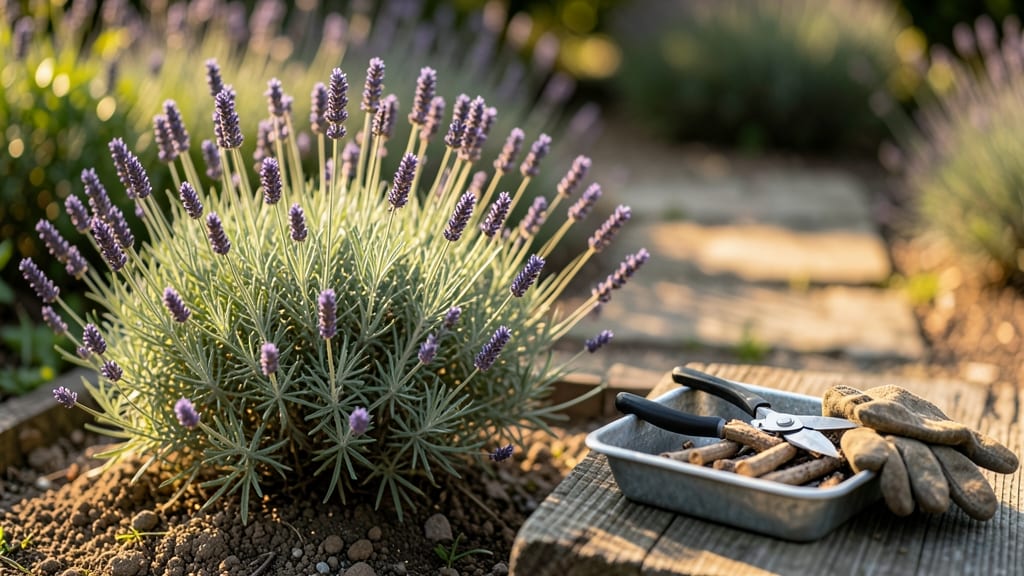
Spring pruning lavender plants is the secret to year-round fragrance—and it only takes three simple cuts. 🌿 I learned this the hard way after my lavender bushes turned woody and sparse after years of neglect. The key?
Timing it right after flowering and using the right technique to encourage bushier growth. You’ll need sharp pruners, gloves (lavender spines bite!), and a sunny day to work. The goal is to remove about one-third of the plant’s height while shaping it into a rounded form.
This isn’t about aggressive trimming—it’s about encouraging new growth where you want it. By summer, you’ll see fresh green shoots emerging from the base, and next spring’s blooms will be fuller and more abundant.
The fragrance alone makes it worth the effort—imagine walking past and being hit with that signature lavender scent all season long. Works for Mediterranean climates (prune right after flowering) and cooler zones (wait until after the last frost). Just avoid cutting into old wood—it won’t regrow.
Here’s how to do it right!
📚 In This Guide
- What you need
- Instructions
- Tips and common mistakes
- Wrapping up and next steps
What you need
- ● Pruning shears – Sharp, bypass-style shears (4-6 inches long) for clean cuts. Avoid dull tools that crush stems!
- ● Gloves – Garden gloves (cut-resistant if preferred) to protect your hands from prickly stems.
- ○ Disinfectant (optional but recommended) – Rubbing alcohol or bleach solution (1 part bleach to 9 parts water) to sterilize tools and prevent disease spread.
- ● Pruning saw (for large bushes) – Only if your lavender has thick, woody stems (3+ inches in diameter).
- ○ Garden twine or stakes – For securing young or leggy plants during regrowth (optional but helpful).
- ● Lavender pruning guide or ruler – A small measuring tool to track height (aim for 1/3 of the plant’s height).
- ● Compost or mulch – To replenish soil after pruning for faster recovery.
- ● Spray bottle with water – To mist cuts and encourage new growth.
- ● Camera or notebook – To document your plant’s shape before and after pruning!
Step-by-step instructions for spring pruning lavender plants
Here’s how I keep my lavender looking lush and flowering all season—no complicated techniques, just three clean cuts.
✂️ Step 1: Wait for New Growth to Appear
Prune lavender only after you see new green growth at the base of the plant—usually in late spring, about 4-6 weeks after the last frost. This timing ensures you’re not cutting into last year’s dormant wood, which won’t regrow. If you prune too early, you risk exposing old, woody stems that won’t recover.
Run your fingers along the stems—you’ll feel the new shoots emerging from the base. These are your signal to start. If your lavender is still tight and woody with no fresh growth, wait another week. Patience here prevents leggy, sparse plants.
✂️ Step 2: Shape the Plant with Clean Cuts
Use sharp, clean pruners to trim back one-third of the plant’s height, cutting just above a set of healthy leaves or buds. Avoid shearing with hedge clippers—lavender blooms on woody stems, and blunt cuts create ragged growth. I angle my cuts slightly outward to encourage a fuller shape and better airflow.
Focus on removing any dead, brown, or leggy stems first. These won’t recover and just take energy from the rest of the plant. For bushier varieties like English lavender, leave the center slightly higher than the edges to maintain an upright form. You’ll see new shoots emerge within 2-3 weeks—that’s your reward for timing it right.
✂️ Step 3: Deadhead and Thin Out Crowded Stems
After shaping, snip off any spent flower spikes with clean cuts. Deadheading encourages more blooms later in the season. But here’s the thing—don’t cut into the woody stems below the flowers. Instead, trim just above where the flowers met the stem. This leaves room for next year’s buds to form.
If your lavender has more than 3-4 thick stems growing from the base, thin out the weakest ones at the ground level. Overcrowded stems compete for nutrients, leading to smaller flowers. After pruning, step back—your lavender should now look open and airy, not dense and tangled.
☀️ Step 4: Water and Fertilize Lightly
Give your lavender a deep watering right after pruning to help it recover. Lavender is drought-tolerant, but the shock of pruning means it needs extra moisture for 1-2 weeks while new growth establishes. Water at the base, not over the foliage, to avoid fungal issues.
Skip heavy fertilizer—lavender thrives in lean soil. A light application of balanced organic fertilizer (10-10-10) in early summer is enough. Too much nitrogen leads to leafy growth at the expense of flowers. Within 6-8 weeks, you’ll see fresh buds forming—proof your pruning paid off.
Tips & tricks for perfect spring lavender pruning
These simple tricks will help you keep your lavender thriving for years to come.
Timing is Everything: The 4-6 week window after last frost is critical, but don't just guess—check for those new green shoots at the base. I learned this the hard way after pruning too early and exposing old, woody stems that never recovered. If you're unsure, wait an extra week. Your lavender will thank you with bushier growth and more flowers.
The Tool Factor: Sharp, clean pruners are non-negotiable. I use bypass pruners because they make clean cuts that heal faster. Avoid hedge clippers—they create jagged edges that can invite disease. And here's a pro move: Wipe your pruners with rubbing alcohol between cuts to prevent spreading any potential pathogens from plant to plant.
Visual Cues for Perfect Cuts: When shaping your lavender in Step 2, look for where the leaves meet the stem—this is your target cut point. The new growth should be just above this junction. For bushier varieties, leave the center slightly taller than the edges to maintain that classic lavender silhouette. Think of it like giving your plant a gentle haircut that encourages volume at the top.
Post-Pruning Care: That deep watering after pruning isn't just about hydration—it's about helping your lavender recover from the shock. I water mine at the base for 1-2 weeks, then let nature take over. The key is consistency: better to water deeply once than give it a light drink every day. And remember, lavender hates wet foliage—always water at the soil level.
Pro Tips for Spring Pruning Lavender Plants
- These simple tricks will help you keep your lavender thriving for years to come.
- Timing is Everything: The 4-6 week window after last frost is critical, but don't just guess—check for those new green shoots at the base.
- The Tool Factor: Sharp, clean pruners are non-negotiable.
Frequently asked questions
Got questions about pruning your lavender in spring? You’re not alone! Here are some of the most common concerns—plus straightforward answers to keep your plants thriving and fragrant.
When is the exact best time to prune lavender in spring?
Prune lavender right after flowering (late spring to early summer) or in early spring before new growth (March–April in most zones). Avoid pruning in fall or winter—this can stress the plant and reduce winter hardiness. If you missed the window, wait until after the first flush of flowers in spring.
How much should I cut back lavender plants?
Never trim more than 1/3 of the plant’s height—this keeps the woody base intact. For most varieties, aim for 2–4 inches of new growth above the old wood. Over-pruning can kill lavender by removing its energy reserves. Pro tip: If your plant looks leggy, focus on shaping rather than drastic cuts.
What if my lavender looks sad after pruning?
Don’t panic! Lavender often drops leaves or looks wilted for a few weeks post-prune—it’s normal. Water lightly (lavender hates soggy roots) and avoid fertilizing. If brown stems remain, trim them off in early spring. Yellowing leaves? That’s often just old growth shedding—new foliage will emerge soon.
Can I prune lavender in containers differently than in-ground plants?
Yes! Container lavender needs slightly more frequent pruning (every 1–2 years) because roots are confined. Trim earlier in spring (February–March) to encourage bushier growth. Also, repot every 2–3 years to refresh soil—lavender in pots drains nutrients faster.
What’s the worst mistake beginners make when pruning lavender?
The top blunder? Pruning at the wrong time (fall/winter) or using dull shears (which crush stems). Another no-no: Cutting into old wood—always leave the woody base. Quick fix: If you’ve over-pruned, reduce watering and wait for regrowth. Lavender is resilient but needs patience!
Wrapping up and next steps
Spring pruning is your secret to bountiful, fragrant lavender that thrives year after year!
By following these three simple cuts—removing dead wood, shaping the plant, and encouraging new growth—you’ll keep your lavender lush, healthy, and blooming beautifully. 🌸 With just a little effort, you’ll enjoy that signature scent and stunning purple hues for seasons to come.
Ready to transform your garden? Grab your pruners and give your lavender the love it deserves—your future self (and nose!) will thank you. Check out our lavender care guide for even more tips!