
Pruning
Winter pruning is crucial for lavender health, ensuring vibrant blooms and fragrant foliage next spring. These 10 expert techniques will help you shape your plants, prevent disease, and maintain their signature aroma through cold months.
When to Prune Lavender Before Frost
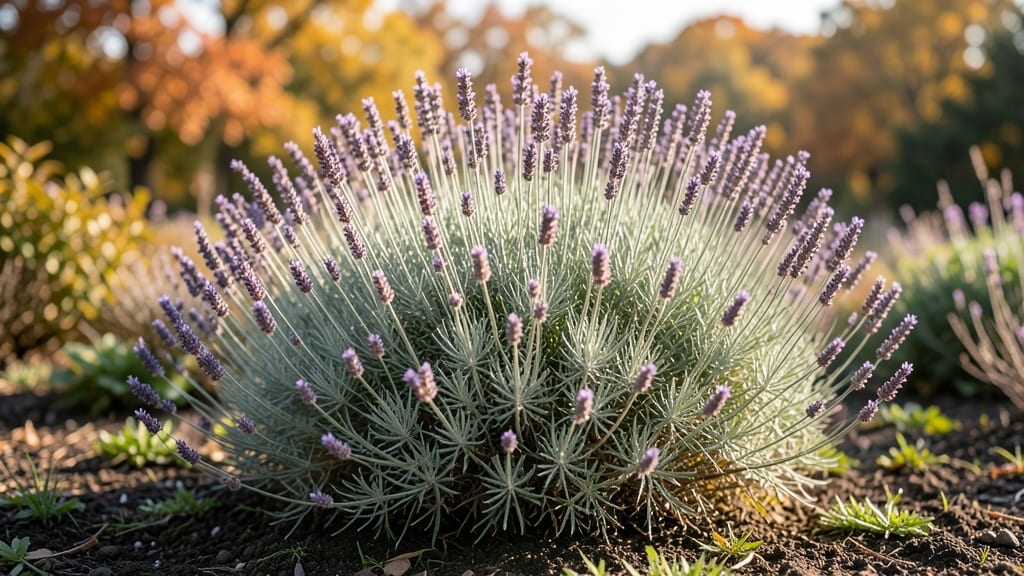
Timing your lavender pruning just right can mean the difference between a fragrant, bushy plant and one that struggles to survive winter. The key is to prune between mid-August and early October—before the first frost arrives but after the plant has finished flowering for the season.
This late summer to early fall window gives lavender time to produce fresh, sturdy growth that hardens off before cold weather sets in. Avoid pruning too late, as new growth won’t have time to mature, making the plant more vulnerable to frost damage. Focus on trimming back overgrown stems by about one-third to maintain shape while encouraging dense foliage.
This approach is especially beneficial for gardeners in cooler climates, where winter conditions can be harsh. By following this schedule, you’ll set your lavender up for a stronger, more resilient spring. 🌿
Deadheading Finished Blooms for Winter
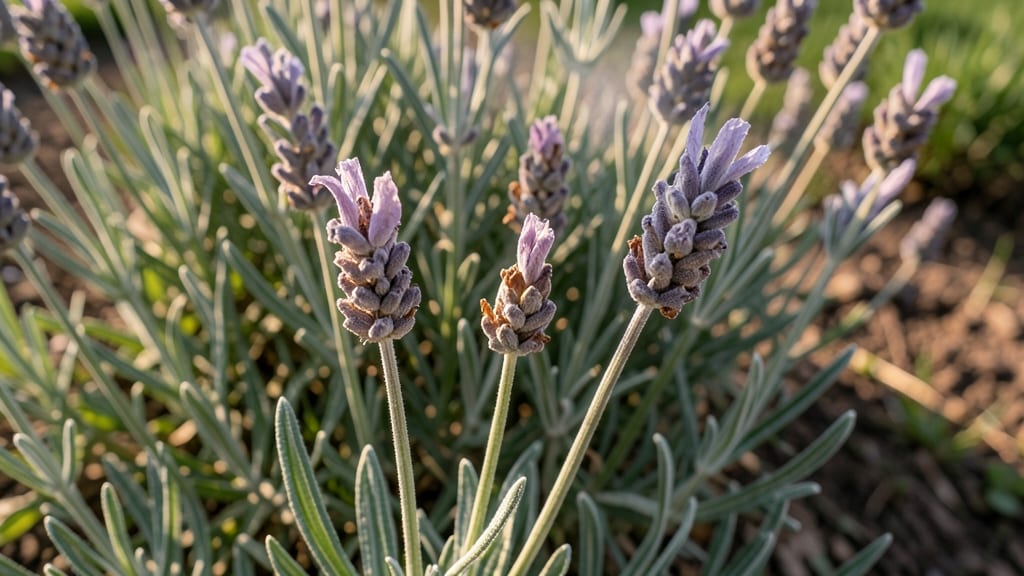
Your lavender’s late-summer blooms may look charming, but those spent flowers are secretly draining energy your plant needs to survive winter. By deadheading (removing faded blooms) in late summer, you’re giving lavender the nudge it needs to focus on strengthening its root system and developing denser foliage for spring.
Use clean, sharp pruners to snip just above the first set of healthy leaves on each stem—never cut into woody growth. This simple step prevents seed formation (which weakens the plant) and encourages hardier stems that can better withstand winter winds. For best results, do this in early to mid-August, giving roots time to bulk up before frost.
This technique is especially valuable for gardeners in cooler climates or those with young lavender plants still establishing themselves. A little effort now means vibrant, bushier plants next year—and fewer winter casualties. 🌿
Shaping Mature Lavender Bushes Properly
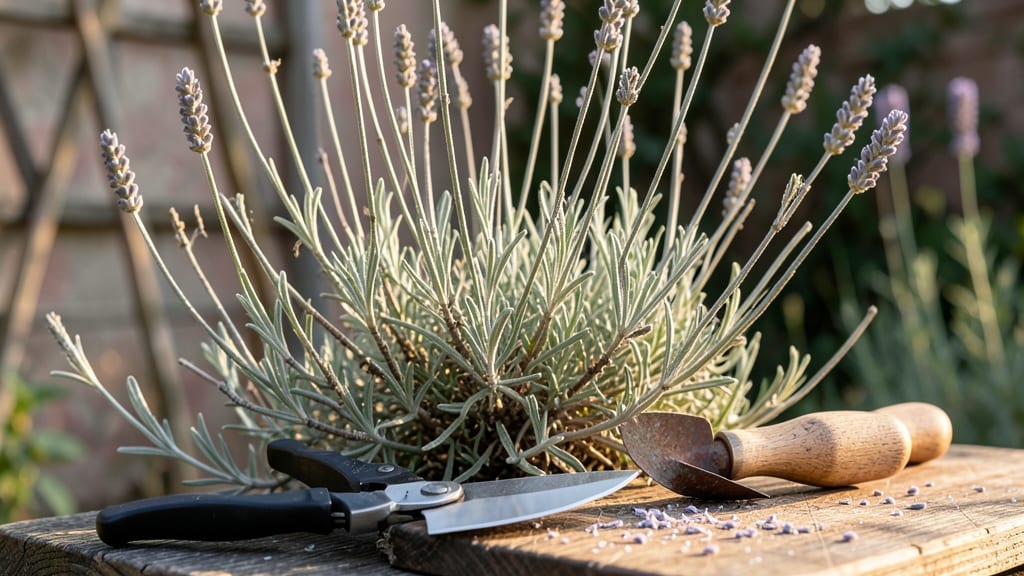
If your lavender bushes have stretched tall and sparse, winter winds could be the culprit. The solution? A simple yet effective cup-shaped pruning technique that transforms leggy plants into dense, resilient shrubs ready for spring.
Start by trimming the outermost stems just above a leaf node, creating a rounded shape that mimics a teacup. This encourages new growth inward, filling out the center and reducing wind exposure. Focus on removing only the longest, weakest stems—never cut more than one-third of the plant at once. For mature bushes, this method also promotes thicker blooms next season.
This technique is perfect for gardeners in windy climates or those with established lavender that’s lost its compact form. With just a few strategic cuts, you’ll restore your plant’s natural shape and protect it from winter damage. 💚
Avoiding Over-Pruning Young Lavender Plants
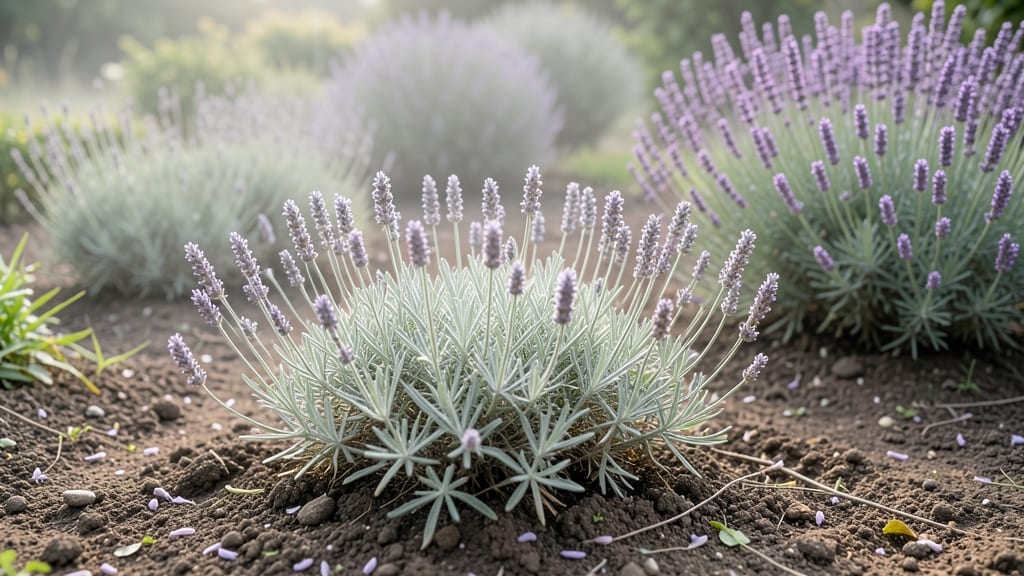
Your first-year lavender plants are delicate—like a newborn's first steps, they need gentle guidance, not aggressive trimming. Over-pruning young lavender can shock their still-developing root systems, leaving them vulnerable to winter stress and poor spring regrowth.
Instead of shaping or deadheading, focus solely on removing dead or damaged stems—never more than 10-15% of the plant's total growth. Use clean, sharp shears to make precise cuts just above a healthy leaf node, and avoid trimming into old wood. This minimal approach lets the plant focus its energy on establishing strong roots before winter's chill sets in.
This technique is especially valuable for container-grown lavender or gardeners in cooler climates where young plants face extra stress. By winter, your lavender will enter dormancy with a robust foundation for next year's fragrant blooms. 🌿
Using Sharp Tools for Clean Cuts
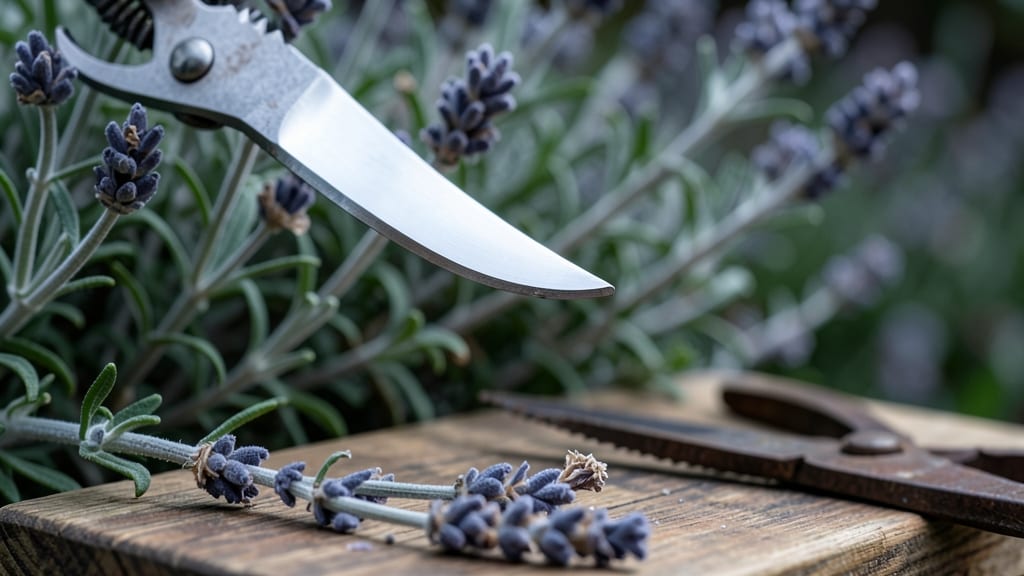
Your lavender’s winter survival depends on more than just timing—sharp, sterilized pruners make all the difference. Dull shears tear stems instead of cutting cleanly, leaving jagged edges that invite disease and slow recovery. A single snip with the right tool can mean the difference between a woody, leggy plant and one that thrives through frost.
Before you prune, sterilize your tools with rubbing alcohol to prevent spreading fungal spores. Look for bypass pruners with a 4-6 inch blade—they glide through lavender stems effortlessly, creating smooth cuts just above a leaf node. For mature plants, a sharp pruning saw handles thicker stems without crushing. Always test your tools on a few stems first: if they resist or leave frayed edges, they’re not sharp enough.
This step is especially critical for winter-pruned lavender, as clean cuts heal faster and reduce moisture loss during dormancy. Beginners often overlook tool prep, but investing in proper pruners pays off with healthier plants and stronger fragrance next season. 💚
Protecting Lavender from Heavy Snow
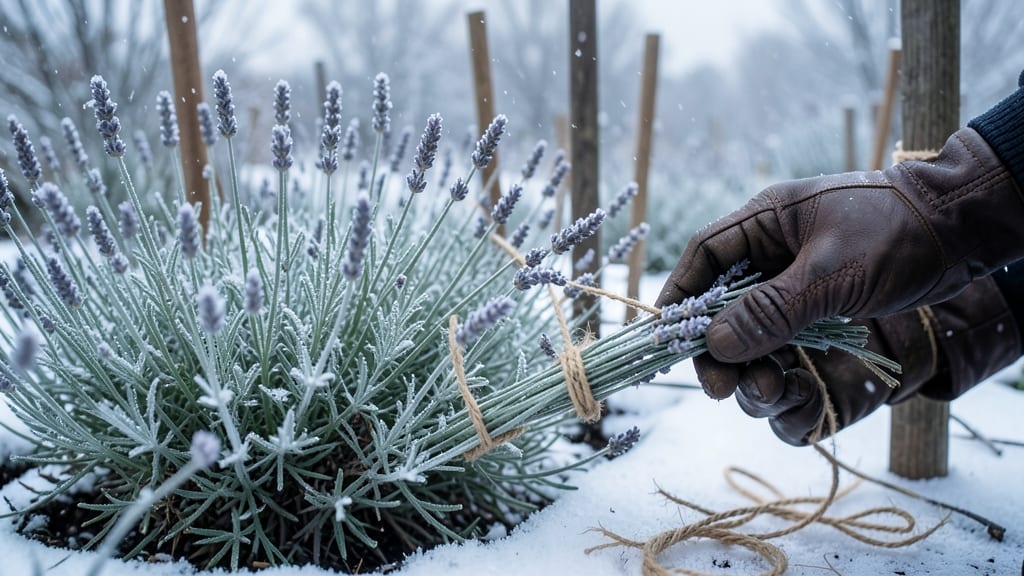
When a heavy snowstorm threatens your lavender, don’t panic—this simple technique will save your plants. Instead of letting snow weigh down and snap delicate stems, gently bend them horizontally and secure them with soft garden stakes or twine. This creates a protective "snow shelf" that shields buds while preventing breakage.
Start by bending the outermost stems (avoid the center) and tuck them under a stake or bent wire, leaving the base upright. Use soft twine or fabric strips to secure without crushing stems. This method also encourages upright regrowth in spring by training stems to grow stronger. Even in Zone 5 or colder, lavender can bounce back beautifully with this winter prep.
This hands-off approach is perfect for gardeners who want low-maintenance winter care—no mulch piles or heavy covering required. Your lavender will wake up in spring looking fresh and ready to bloom. ✨
Mulching Around Lavender Roots
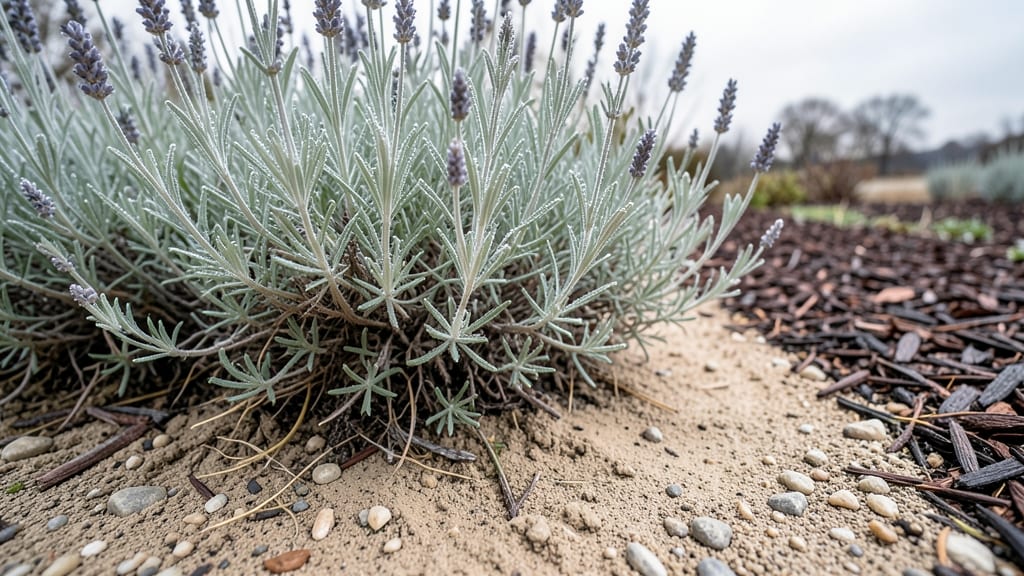
Lavender thrives in dry, well-drained soil—but winter’s damp conditions can undo all your hard work. The key to protecting your plants lies in what you place around their roots, not just above them.
Skip the organic mulch (like wood chips or straw) that holds moisture against the base, and opt instead for 2-3 inches of gravel or bark mulch. These materials create insulation without suffocation, allowing air to circulate while reflecting sunlight to warm the roots. This simple switch prevents root rot and keeps stems sturdy through freezing temperatures and thaw cycles.
This method is especially valuable for gardeners in humid climates or those with heavy winter rains. A little gravel goes a long way—just rake it gently around the plant’s base after pruning to lock in winter protection. 💚
Reviving Frost-Damaged Lavender Stems
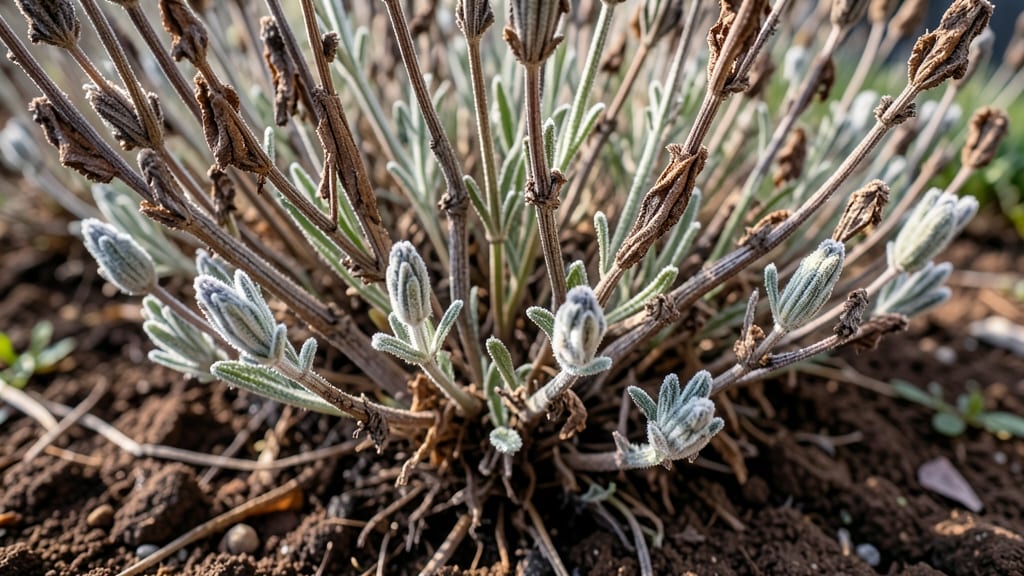
Don’t let frost-damaged lavender fool you—those brown, mushy stems in early spring are often hiding dormant life just waiting to emerge. With the right pruning technique, you can coax fresh green shoots from the base, proving your plant is still thriving underneath.
Start by cutting back all the dead or mushy stems to about 1-2 inches above the soil line. Use clean, sharp shears to avoid spreading disease, and focus on stems that feel soft or hollow when pressed. Within weeks, you’ll see new growth pushing through, signaling the plant’s natural resilience.
This method works best for gardeners in colder climates where frost is common, giving plants a fresh start before the growing season. It’s also perfect for beginners who want to revive struggling lavender without complicated techniques. 🌱
Pruning Lavender for Harvestable Bundles
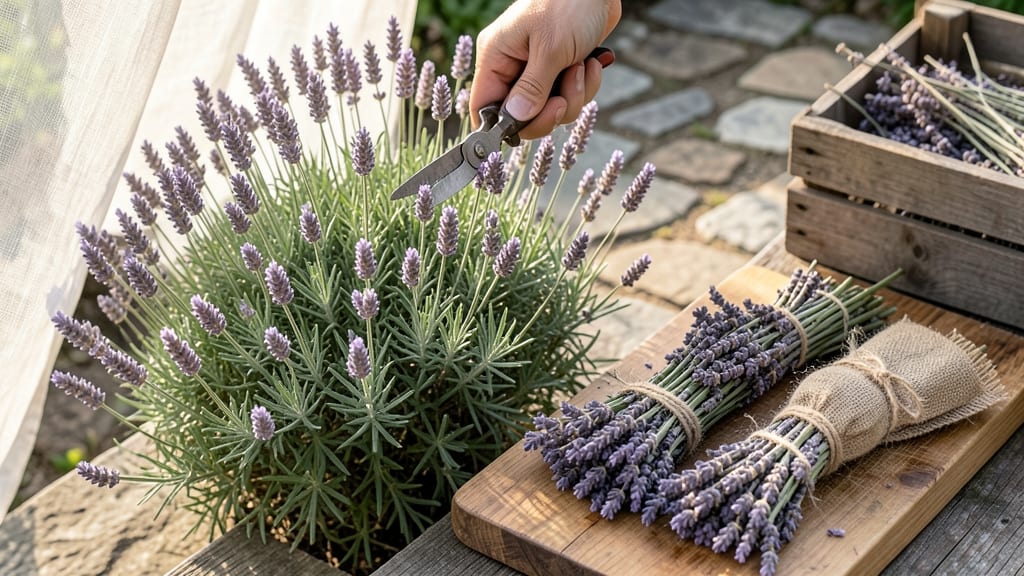
Want to turn your lavender into fragrant bundles for sachets, potpourri, or gifts? The secret lies in strategic pruning—focus on stems with at least 50% buds to maximize both yield and aroma. This ensures you’re harvesting at peak fragrance while encouraging the plant to branch out for future harvests.
Use sharp pruners to cut just above a leaf node (the small bump where leaves grow), never at a joint or woody stem. This technique stimulates new growth from the sides, creating a fuller plant that produces more harvestable stems. Avoid cutting into old wood, as lavender struggles to regrow from mature stems.
This method is perfect for gardeners who want to harvest lavender year-round while keeping their plants healthy. With proper pruning, you’ll enjoy both beautiful blooms and a steady supply of fragrant stems. 🌿
Fertilizing After Winter Pruning

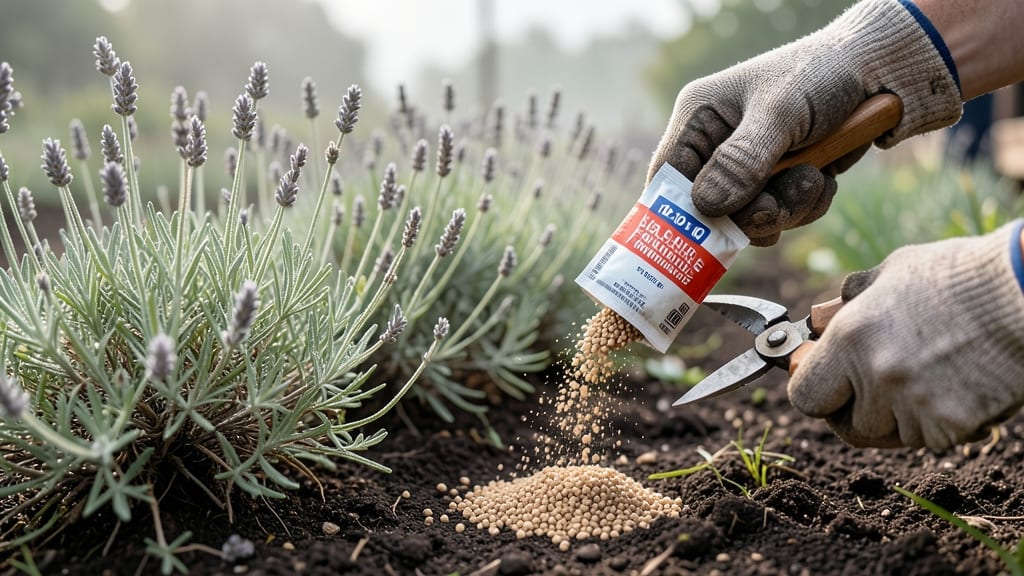
After winter pruning, your lavender plants are ready to rebound—but they need a nutrient boost to support their comeback. A balanced, low-nitrogen fertilizer (like 10-10-10) applied in early spring replenishes what was lost during dormancy, setting the stage for lush foliage and abundant blooms.
Work the fertilizer into the soil around the base, avoiding direct contact with stems. Lavender thrives on moderation, so follow package instructions for application rates—too much nitrogen can lead to weak stems and fewer flowers. This step is especially critical for plants in container gardens, where nutrients deplete faster.
This simple task transforms winter-pruned lavender into vibrant, fragrant shrubs by summer. Perfect for beginners and seasoned gardeners alike! 🌿