
Pruning
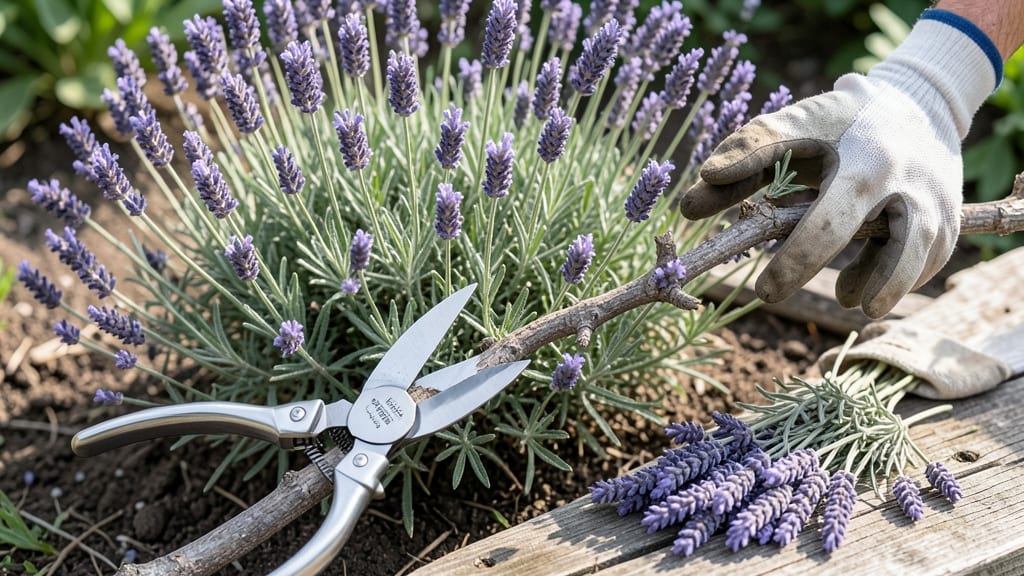
Pruning English lavender plants keeps them fragrant and bushy for years—not just a one-time chore. ✂️ I’ve learned the hard way that skipping this step leads to woody stems and sparse blooms, but the right timing and technique transforms your plants into lush, aromatic powerhouses.
The best time to prune is right after flowering, usually in late spring or early summer, when the blooms have faded but fresh growth is still pushing.
Grab sharp bypass pruners and cut back about one-third of the previous year’s growth—never more than that, or you’ll stress the plant. This encourages dense new growth and prevents the stems from getting too thick and unproductive.
You’ll notice a difference immediately: fuller foliage, more flowers next season, and that classic lavender scent wafting through your garden. The key is consistency—prune lightly every year, and your plants will reward you with vibrant purple spikes and a compact shape that’s perfect for borders or containers.
For those winter months, a light tidying in late winter (before new growth starts) keeps the shape neat without overdoing it. Just avoid heavy pruning in fall, or you’ll risk frost damage to fresh cuts.
📚 In This Guide
- What you need
- Instructions
- Tips and common mistakes
- Wrapping up and next steps
What you need
- ● Bypass pruning shears (sharp, clean, and sterilized with rubbing alcohol—1 pair). Avoid dull or rusty blades to prevent tearing stems.
- ● Hand pruners (for smaller branches—1 pair). Look for ergonomic grips if you plan to prune often!
- ● Garden gloves (nitrile or leather—1 pair). Protects hands from thorns and sap.
- ● Disinfectant spray (70% isopropyl alcohol or a garden sanitizer—small bottle). Keeps tools bacteria-free between cuts.
- ○ Garden twine or plant ties (for supporting heavy stems post-prune—optional, 5–10 ft).
- ● Garden bag or bucket (for clippings—medium-sized). Avoid plastic bags that trap heat and moisture.
- ● Lavender-specific pruning saw (if dealing with thick, woody stems—1).
- ○ Hose with nozzle (to rinse tools and plants after pruning—optional).
- ● Slow-release fertilizer (like 10-10-10 or orgánico—small bag). Replenish nutrients after heavy pruning.
- ● Mulch (gravel or pine straw) (to protect roots post-prune—1–2 yards).
- ● Know your lavender’s age. Young plants (minimal pruning—focus on shaping mature plants (2+ years).
- ● Check the season. Prune English lavender in early spring (March–April) or right after flowering (late summer). Avoid winter pruning!
- ● Weather window. Choose a dry, overcast day to prevent stressing the plant.
How to prune English lavender for dense, fragrant growth
English lavender thrives when pruned right—here’s the method I use to keep my plants bushy, fragrant, and healthy year-round.
✂️ Step 1: Prune After Flowering in Early Summer
Wait until late June or early July—right after the first flush of flowers fades. This is the golden window because cutting back too early removes next year’s buds. Snip ⅓ of the plant’s height using clean, sharp pruners, cutting just above a set of healthy leaves. Avoid cutting into old wood, which won’t regrow.
I always prune on a dry, sunny morning—this helps prevent disease. If you see any dead or woody stems, trim those back completely. English lavender responds best to gradual shaping, so avoid drastic cuts. You’ll notice new growth within 2-3 weeks, signaling the plant is recovering well.
🌿 Step 2: Light Pruning in Late Summer for Shape
Around mid-August, give your lavender a light tidy-up. Focus on removing any leggy or overgrown stems to encourage a fuller shape. Cut just above a leaf node, and avoid pruning more than 10% of the plant’s height—this keeps it from getting stressed before winter.
This step is about maintenance, not renewal. I use my fingers to pinch off any spent flower stems, which prevents seed formation and keeps energy in the foliage. If your plant looks uneven, trim the longest stems first to balance it out. You’ll see a denser center within 4-6 weeks if done correctly.
⏰ Step 3: Minimal Winter Pruning to Prevent Dieback
In late winter (February), give your lavender a very light trim—just enough to remove any dead or frost-damaged growth. Avoid heavy pruning now, as English lavender sets buds for next year’s flowers in early spring. Focus only on cleaning up the plant’s appearance, not reshaping.
I never cut into old, woody stems in winter—this can kill the plant. Instead, I use my pruners to snip back any bare or browned tips just above a green leaf. This keeps the plant tidy without sacrificing next year’s blooms. After pruning, I apply a light layer of mulch (if needed) to protect the roots.
☀️ Step 4: Spring Check for Dead Wood and Early Growth
By early April, inspect your lavender for any dead or crossing branches. Remove these immediately to improve airflow and prevent disease. If you notice new growth starting, avoid pruning—let the plant establish itself before any major cuts. This is the time to shape lightly if needed, but keep it minimal.
I always check for new buds forming—if you see them, wait until they’ve opened slightly before pruning. English lavender blooms on new wood, so protecting these early shoots ensures a longer, more abundant flowering season. A quick trim now keeps the plant looking neat without sacrificing next year’s fragrance.
Tips & tricks for pruning English lavender
These simple strategies will help you transform your lavender from sparse to lush year after year.
Timing is Everything: The late June/early July pruning in Step 1 is your most important cut of the year. I've seen gardeners ruin their lavender by pruning too early—when buds are still forming. Wait until those first flowers have faded completely before making your cuts. This ensures you're not removing next year's blooms while still giving your plant room to thicken up.
Tool Prep Matters: Before you start, sterilize your pruners with rubbing alcohol or a 10% bleach solution. I learned this the hard way after my lavender developed a fungal infection from contaminated tools. Sharp pruners are also crucial—dull blades crush stems instead of making clean cuts, which can damage the plant. Test your tools on a few stems first to check the cut quality.
Visual Cues for Pruning: When you're shaping in mid-August (Step 2), look for stems that are growing away from the center of the plant. These leggy stems need to go—they create gaps in your lavender's fragrance blanket. I use my fingers to pinch off spent flowers daily during this period, which prevents seed formation and keeps the plant's energy focused on foliage growth rather than reproduction.
Winter Protection Tip: After your February cleanup (Step 3), consider wrapping young lavender plants with burlap during extremely cold snaps. Mature plants usually handle winter well, but youngsters can benefit from this extra protection. I've also found that a light layer of mulch around the base helps insulate roots during freezing temperatures, which gives your lavender a stronger start in spring.
Pro Tips for Pruning English Lavender Plants
- These simple strategies will help you transform your lavender from sparse to lush year after year.
- Timing is Everything: The late June/early July pruning in Step 1 is your most important cut of the year.
- Tool Prep Matters: Before you start, sterilize your pruners with rubbing alcohol or a 10% bleach solution.
Frequently asked questions
Got questions about keeping your English lavender lush and fragrant? You’re not alone! Here are answers to the most common queries—because even expert gardeners need a little guidance now and then.
When is the best time to prune English lavender?
Prune English lavender right after flowering (late spring to early summer) to encourage new growth. Avoid heavy pruning in fall or winter—this tender plant can struggle with cold damage. A light tidy-up in late winter (before buds form) is fine, but skip drastic cuts.
How much can I cut back without harming my lavender?
Never remove more than 1/3 of the plant’s height in one session. For established bushes, aim for 3–6 inches off the top. Over-pruning stresses lavender, leading to woody stems or death. Think of it like a haircut—less is more for long-term health!
What if my lavender looks woody or leggy after pruning?
Woody stems mean it’s time for a rejuvenation prune—cut back 1/2 to 2/3 of the plant in early spring. If it’s leggy, prune just above a leaf node to spur bushier growth. Mulch lightly (with gravel or sand) to protect roots and reduce stress.
Can I prune English lavender in winter?
Light shaping is okay in mild winters (Zone 7+), but avoid heavy cuts. Cold snaps can damage tender new growth. If you must prune, wait until late winter (just before buds swell) and use sharp shears to minimize stress. Pro tip: Wear gloves—lavender stems are spiky!
What’s the difference between pruning English lavender vs. Spanish or French lavender?
| Type | Pruning Time | Cutting Style |
|---|---|---|
| English Lavender | After flowering (late spring/early summer) | Shape lightly; avoid woody centers |
| Spanish Lavender | Late winter/early spring (before new growth) | Hard prune (up to 1/2 height) to prevent flopping |
| French Lavender | After flowering (summer) or late winter | Minimal pruning; focus on dead stems |
English lavender is the most forgiving—just don’t let it get too wild!
Wrapping up and next steps
Pruning your English lavender doesn’t have to be intimidating—it’s all about timing, technique, and a little patience. By following seasonal guidelines and keeping your tools sharp, you’ll reward yourself with lush, fragrant bushes that thrive year after year. 🌿✨ Ready to take the next step?
Grab your shears and give your lavender the care it deserves—your garden (and your senses!) will thank you.
For extra confidence, bookmark this guide or snap a photo of your pruning schedule. Happy gardening!