
Pruning
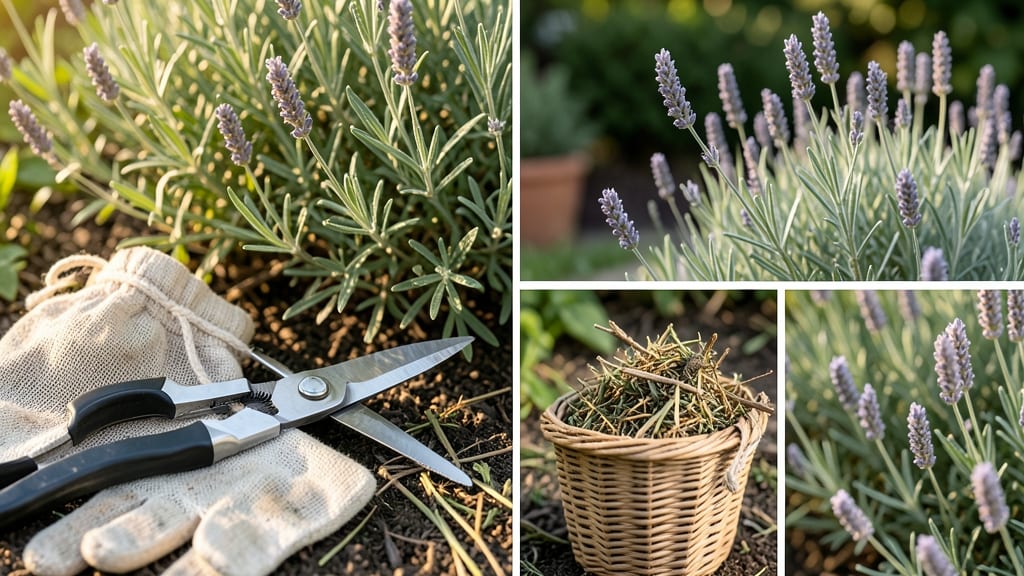
Pruning lavender plants transforms them from scraggly survivors into fragrant, bushy powerhouses—and it’s easier than you think. ✨ I’ve turned my once-lanky lavender into a thriving, purple cloud by mastering the timing and technique, and you can too.
The key? Knowing exactly when and how to trim without sacrificing next year’s blooms.
You’ll need sharp bypass pruners, a sunny day, and just 10 minutes of focused attention. Most people over-prune in spring, which stunts growth, but the real magic happens in late summer or early fall.
That’s when lavender sends out fresh growth for next year’s flowers—trimming now encourages denser foliage without sacrificing blooms.
By following the right cuts (always above a leaf node, never into woody stems), you’ll end up with plants that smell like Provence and stay compact for years. The first time you see those new shoots emerge after pruning, you’ll understand why lavender lovers swear by this method.
Works for both in-ground plants and containers, and the technique adapts to your climate—just adjust timing slightly for cooler zones. Let’s get those shears ready and bring back your lavender’s glory days.
📚 In This Guide
- What you need
- Instructions
- Tips and common mistakes
- Wrapping up and next steps
What you need
- ● Pruning shears (bypass or anvil type) – Choose sharp, clean shears (4-6 inches long) to avoid crushing stems. Bypass shears are ideal for lavender.
- ● Hand pruners or loppers – For thicker stems (½ inch or larger), opt for bypass-style loppers with a 4-6 inch blade.
- ● Gardening gloves – Lightweight, breathable gloves (e.g., cotton or nitrile-coated) to protect hands from thorns and rough stems.
- ● Disinfectant (rubbing alcohol or 10% bleach solution) – 1 part bleach to 9 parts water to sterilize tools between cuts and prevent disease.
- ● Garden twine or rubber bands – To secure stems for shaping or bundle pruned branches for disposal.
- ● Trash bag or compost bin – For removing pruned stems (avoid composting diseased or pest-infested lavender).
- ● Hose with a spray nozzle – To rinse off tools and stems post-pruning.
- ● Garden kneeler or stool – For comfort when working close to the ground.
- ● Plant food (balanced fertilizer, 10-10-10) – Apply lightly after pruning to encourage new growth.
- ● Notebook & pen – To track pruning dates and plant responses for future reference.
Step-by-Step instructions for pruning a lavender plant
Here's the method I've used for years to keep lavender lush, fragrant, and thriving—no guesswork involved.
✂️ Step 1: Time Your Pruning for Optimal Regrowth
Prune lavender immediately after flowering, typically in late spring or early summer when flower stems turn brown. This timing ensures you don't cut back new growth that stores energy for next year's blooms. Avoid pruning in fall or winter—cold weather slows recovery, and you risk damaging tender new shoots.
If you missed the post-bloom window, wait until early spring before buds form. Just don't cut into old wood—lavender won't regenerate from bare stems. You'll know you're too late if the plant looks woody at the base with no green growth.
✂️ Step 2: Sterilize Tools and Shape the Plant
Clean your pruners with rubbing alcohol before cutting—this prevents bacterial infections that can rot stems. Lavender hates wet conditions, so work on a dry, sunny day when the plant is fully hydrated but not stressed. Start by removing dead or diseased branches at the base, cutting cleanly at a 45-degree angle to prevent water pooling.
Next, shape the plant by trimming back one-third of the oldest growth—these are the woody stems that no longer produce flowers. Focus on the inner branches first, where air circulates poorly. You'll see dense, bushy growth emerge from the center within weeks if you've pruned correctly.
🌿 Step 3: Encourage Bushier Growth with Strategic Cuts
For established plants, cut just above a set of healthy leaves (never bare wood) to stimulate new branching. Avoid "shearing" or rounding lavender—this creates dense, weak growth that flowers poorly. Instead, use hand-pruning to selectively remove spent blooms and leggy stems, which encourages a more natural, open shape.
Watch for new shoots emerging from the base after pruning—this is your cue that the plant is responding well. If you see only sparse regrowth, you may have cut too aggressively. Lavender is resilient but won't bounce back from severe over-pruning.
☀️ Step 4: Post-Pruning Care for Strong Recovery
Water the plant deeply after pruning to help roots recover, but avoid soggy soil—lavender thrives in well-draining conditions. Apply a light layer of gravel around the base to improve drainage and deter weeds. In hot climates, provide afternoon shade for a week to reduce stress while new growth establishes.
Fertilize lightly with low-nitrogen, phosphorus-rich fertilizer (like 5-10-10) to support flowering without encouraging leafy growth. You'll notice stronger stems and more abundant blooms the following season if you've followed these steps. Pruning lavender isn't just about maintenance—it's about shaping a plant that rewards you with fragrance and beauty year after year.
Tips & tricks for perfect lavender pruning
Here's what nobody tells you about lavender care—these tricks make all the difference between a struggling plant and one that thrives.
Seasonal Timing Secret: The late spring or early summer window for pruning (when flower stems turn brown) is non-negotiable for healthy regrowth. I learned this the hard way after pruning too early—my lavender took months to recover. If you miss this window, spring is your next best chance, but only if you see green growth at the base. That's your plant's way of saying "I'm ready!"
Tool Prep That Changed Everything: Sterilizing your pruners with rubbing alcohol isn't just about clean cuts—it's about preventing bacterial infections that can silently kill your lavender. I now keep a small bottle of alcohol in my gardening toolkit specifically for this purpose. Also, that 45-degree angle cut isn't just aesthetic—it prevents water from pooling at the base where rot can start.
Strategic Pruning Technique: When shaping your plant in Step 2, focus on removing one-third of the oldest growth from the center first. This might seem counterintuitive, but lavender naturally grows outward from the center. By opening up the middle, you're actually encouraging bushier growth from the base. Think of it like creating a wind tunnel through your plant—better air circulation means fewer fungal issues and more vigorous new shoots.
Post-Pruning Recovery Hack: That deep watering after pruning isn't just hydration—it's helping your plant establish new root growth. I've found that adding a light layer of gravel around the base (about 1-2 inches) creates a natural drainage system that mimics lavender's Mediterranean habitat. In hot climates, the afternoon shade for a week isn't just about stress reduction—it's giving your plant time to redirect energy into root recovery rather than leaf transpiration.
Pro Tips for Prune A Lavender Plant
- Here's what nobody tells you about lavender care—these tricks make all the difference between a struggling plant and one that thrives.
- Seasonal Timing Secret: The late spring or early summer window for pruning (when flower stems turn brown) is non-negotiable for healthy regrowth.
- Tool Prep That Changed Everything: Sterilizing your pruners with rubbing alcohol isn't just about clean cuts—it's about preventing bacterial infections that can silently kill your lavender.
Frequently asked questions
Got questions about lavender pruning?
You’re not alone! Here are answers to the most common concerns—so you can keep your lavender lush, fragrant, and thriving year-round.
When is the best time to prune lavender?
Prune lavender after it blooms in early summer (June–July) to encourage new growth. Avoid pruning in fall or winter—it’s too late for the plant to recover. If you must shape it lightly, do so in late spring before buds form, but never cut into old wood.
How much should I trim off?
Never remove more than 1/3 of the plant’s height in one session. For mature lavender, trim just above a set of leaves (never bare stems). Over-pruning stresses the plant and can kill it. Think of it like a haircut—shape, don’t shear!
What if my lavender looks sad after pruning?
If your lavender wilts or turns brown post-prune, it’s likely thirsty. Lavender hates wet roots—water deeply but infrequently (once a week in summer). Mulch lightly with gravel (not organic mulch) to prevent rot. Yellowing leaves? It might be overwatered or nutrient-deficient.
Can I prune lavender in containers?
Yes! Container lavender follows the same rules, but check drainage first. If roots are crowded or soil is soggy, repot before pruning. Trim lightly in spring to encourage bushiness, and avoid heavy cuts—containers dry out faster, so prune conservatively.
What if I missed the summer pruning window?
Don’t panic! If you skip summer pruning, do a light shape-up in late winter (Feb–March) to remove dead stems. Avoid heavy cuts—lavender blooms on new wood, so late pruning may delay flowers. Next year, stick to the summer schedule!
Why does my lavender keep dying after pruning?
Common culprits: overwatering, pruning too late, or cutting into old wood. Lavender thrives in dry, well-draining soil—amend heavy soil with sand or gravel. If stems turn black or mushy, it’s root rot. Prune only healthy growth and adjust your watering habits!
Wrapping up and next steps
Pruning your lavender plant doesn’t have to be intimidating—it’s all about timing, technique, and a little patience. 🌿 With the right tools and a gentle hand, you’ll reward yourself with a lush, fragrant bush that thrives year after year.
Now that you’re armed with the know-how, grab those shears and give your lavender the care it deserves!
Ready to take it further? Experiment with propagation—those pruned stems can root and grow into new plants! Happy gardening! 🌸