
Pruning

Pruning roses at the wrong time in Zone 8 can stunt blooms or invite disease. These exact pruning windows—from late winter to early fall—ensure your roses thrive with maximum flowers while avoiding common mistakes.
Late Winter Pruning for Early Spring Blooms
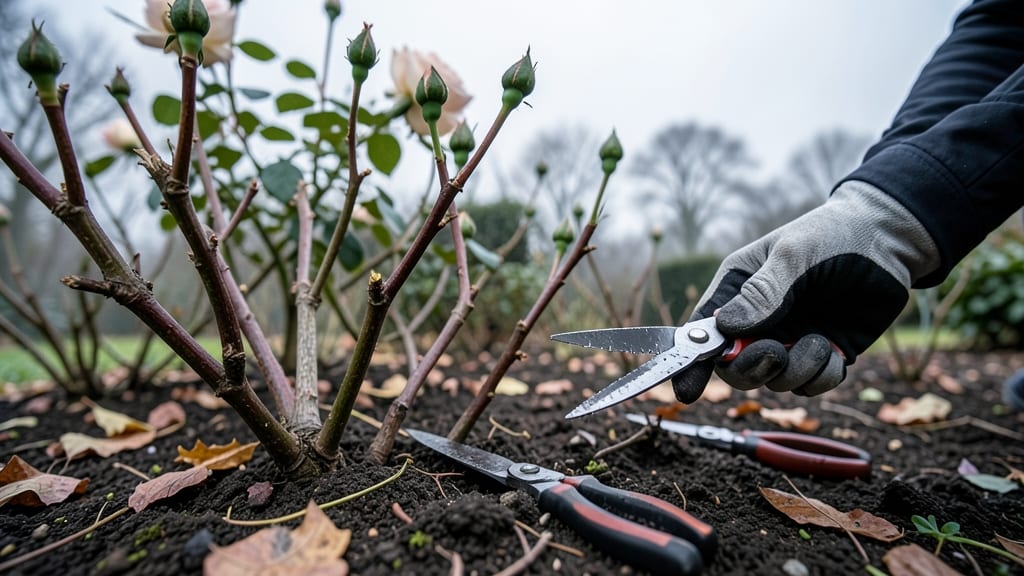
If your hybrid tea and grandiflora roses are struggling to produce that spectacular first flush of blooms in March, late winter pruning is your secret weapon. This is the time to remove last year’s deadwood before buds begin swelling, setting the stage for a showstopping spring display.
Start pruning in late February to early March in Zone 8, when daytime temperatures consistently reach above 50°F but nights remain cool. Focus on cutting back 30-50% of the plant’s height, removing any canes that are dead, diseased, or crossing each other. Make clean cuts just above an outward-facing bud, and sterilize your pruners between cuts to prevent spreading disease. This aggressive approach may seem drastic, but it’s what these varieties need to redirect energy into vibrant new growth.
This method is especially valuable for gardeners who love showy, formal roses and want to maximize their first bloom cycle. By removing old wood before buds swell, you’re essentially giving your roses a fresh start—just in time for the spring parade of colors. 🌟
February Deadheading for Climbing Roses
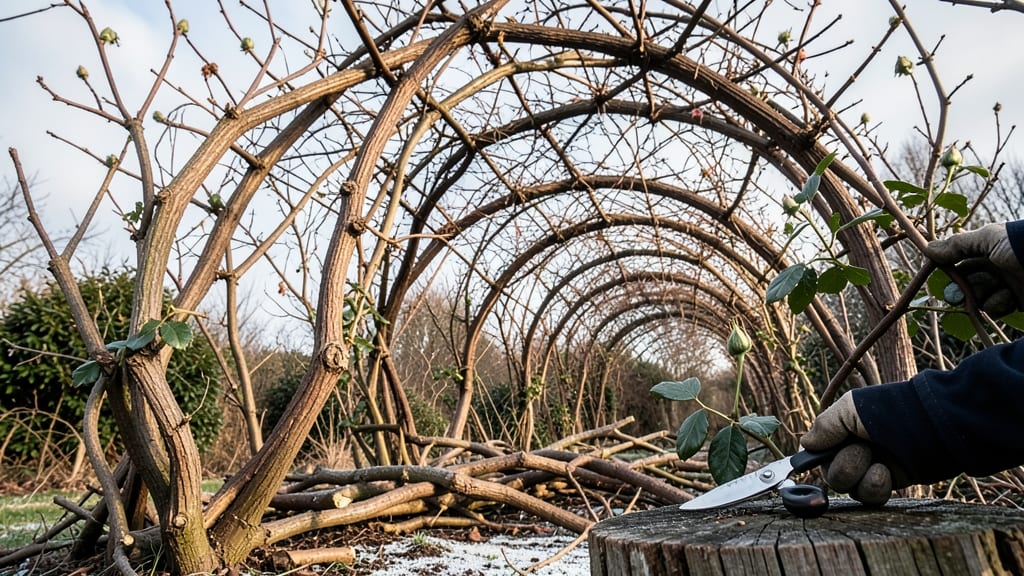
Climbing roses need a little extra love in February to set the stage for their showstopping summer blooms. Unlike bush roses, these vining varieties rely on proper shaping and cane removal to support their weighty flowers—think of it as giving them a structural makeover before the growing season kicks in.
Start by removing any dead or broken canes from last winter, cutting them back to healthy wood. Next, thin out crowded stems to improve airflow and reduce disease risk. For shaping, prune side shoots to encourage stronger main canes—aim to leave about 3-5 main stems with 3-5 buds each. Secure remaining canes to your trellis or arbor now to prevent flopping later.
This early attention pays off with longer, more abundant blooms and fewer floppy vines. Gardeners with vertical space (think fences, arbors, or pergolas) will see the biggest benefits—your climbing roses will reward you with dramatic, repeat-blooming displays all season. 🌷
Post-Bloom Pruning in Early June
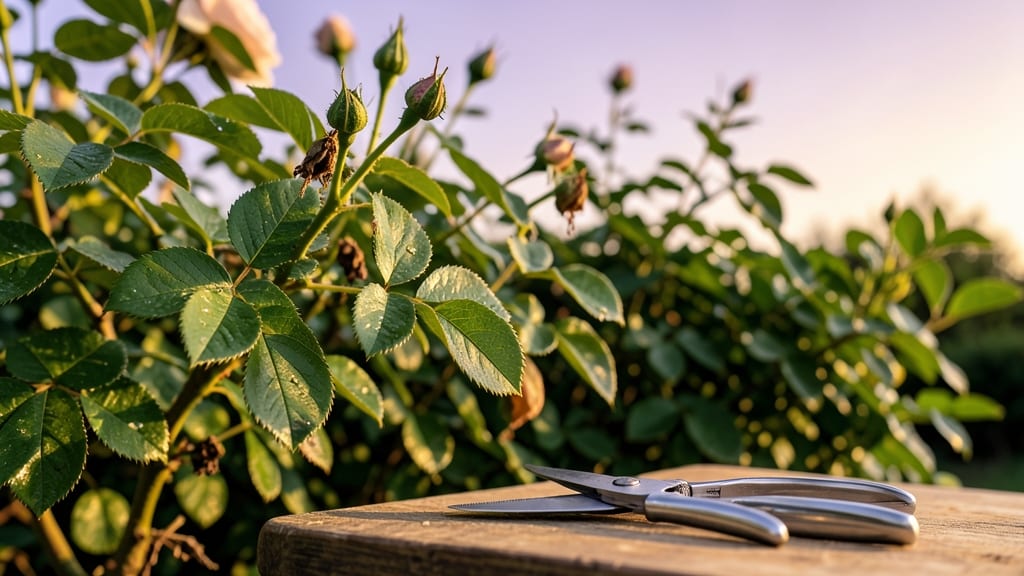
Want your floribundas and shrub roses to burst into a second flush of blooms this summer? The secret lies in a quick June pruning session that redirects energy to hidden lateral buds—just as the first flowers fade.
Use clean, sharp shears to cut back spent blooms down to the first five-leaflet leaf (or outward-facing bud) below the bloom stem. This technique, called post-bloom pruning, stimulates new growth from the sides of canes, producing a second wave of flowers by August. For shrub roses, you can even prune up to one-third of the oldest canes to encourage bushier, more productive growth.
This method works best for gardeners who love continuous color—ideal for Zone 8's long growing season. Just avoid pruning after mid-June, or you risk missing the summer rebloom window. 🌻
July Light Trimming for Disease Prevention
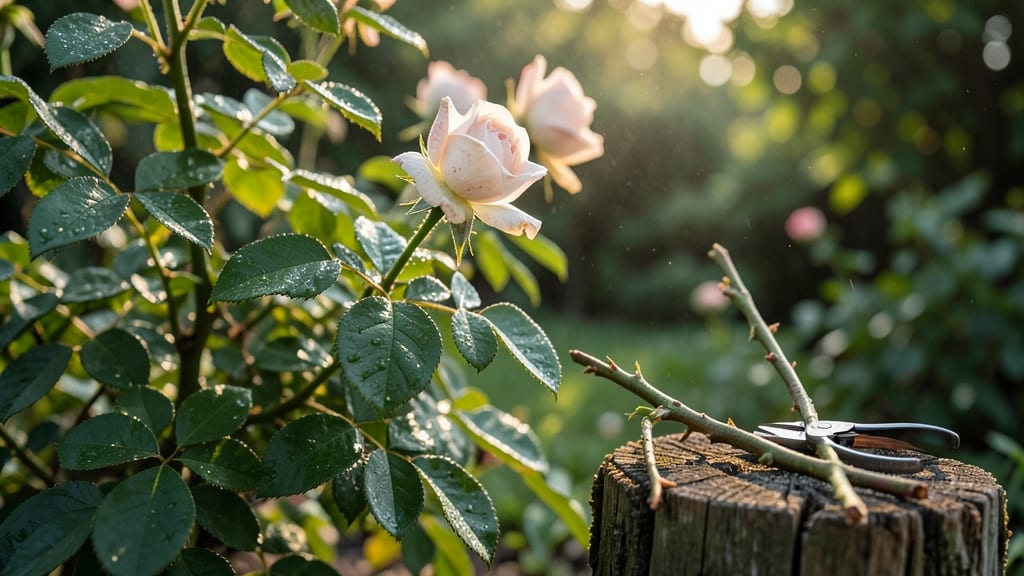
Zone 8’s humid July summers create the perfect storm for black spot disease—but a little strategic pruning can prevent it. Instead of aggressive cuts, focus on light trimming to open up your rose bush’s canopy and let air circulate.
Use sterilized pruners to snip out only the most crowded branches where leaves overlap. Aim for a 20-30% reduction in foliage density—just enough to create gaps for airflow. Avoid cutting into old wood, and always remove any leaves showing early signs of disease. This minimal approach keeps your roses healthy and shaped without stressing the plant.
This method is ideal for busy gardeners who want to maintain their roses’ beauty while preventing fungal issues. A few minutes of light trimming now can save hours of cleanup later in the season. 🌿
Late Summer Pruning for Fall Blooms

Want to extend your rose blooms into September? Late summer pruning is your secret weapon—especially for heat-tolerant varieties like Knock Out roses that refuse to quit when others fade.
Cut back one-third of the oldest wood (typically last year’s canes) in early August to stimulate fresh growth and trigger late-season flowers. Focus on removing crossing branches and stems growing inward to improve airflow. This technique works best on repeat-blooming roses and gives you a second flush of vibrant blooms just as summer winds down.
Perfect for gardeners in Zone 8 who love long-season color, this pruning method also rejuvenates mature bushes. Just avoid heavy pruning after Labor Day to let new growth harden off before winter. 🌻
October Pruning for Winter Hardiness
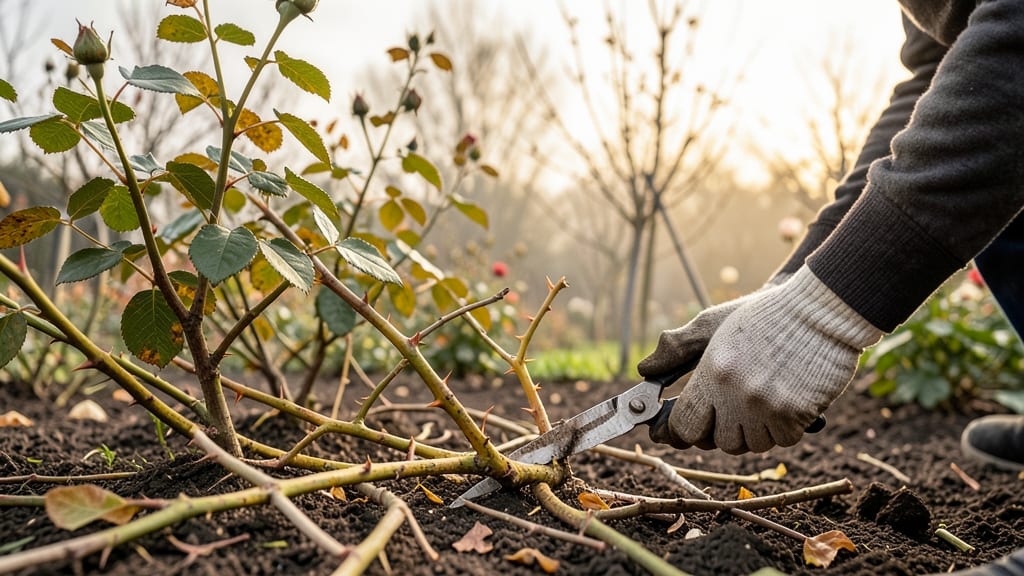
As Zone 8’s mild winters approach, your roses need a final health boost before dormancy. October pruning isn’t about cutting back hard—it’s about removing weak, crossing, or diseased canes to reduce winter stress and set the stage for stronger spring growth.
Focus on thinning crowded branches to improve airflow, which prevents moisture buildup that leads to rot. Cut back any canes that are thinner than a pencil or show signs of disease, making clean cuts at a 45-degree angle just above an outward-facing bud. Avoid heavy pruning—this is about light shaping, not drastic reshaping.
This late-season trim is especially valuable for Zone 8 gardeners who want to avoid winter dieback. By reducing stress now, you’ll encourage vigorous new growth in spring and keep your roses healthier year-round. 🌿
November Minimal Pruning for Dormant Season
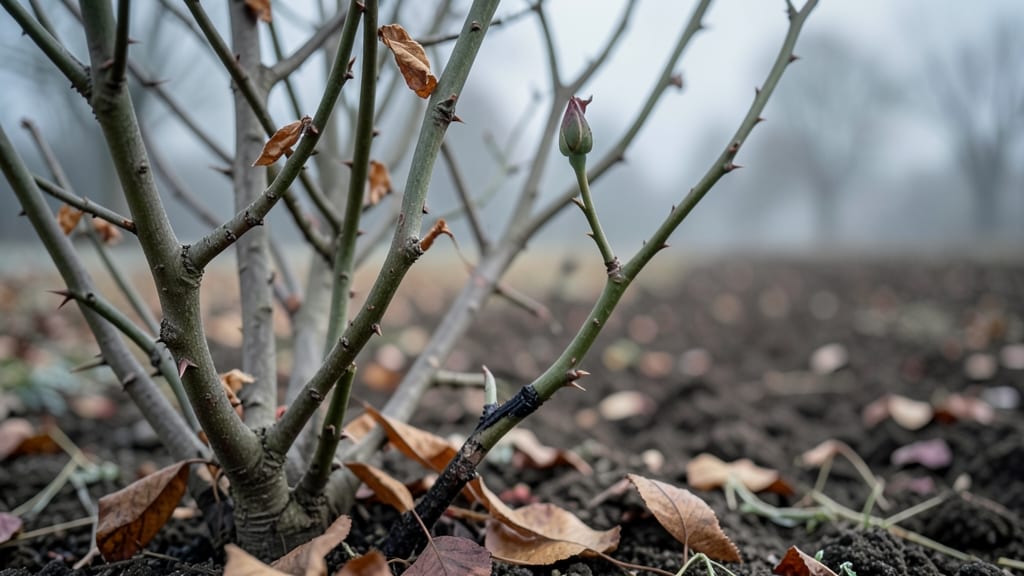
November might seem like the wrong time to touch your roses, but a light touch now prevents winter stress and late frost damage. This is the month for minimal pruning—only removing what’s truly dead or diseased.
Skip aggressive cuts that stimulate new growth in cold weather. Focus on thinning crowded canes and cutting out blackened or brittle stems at the base. Use clean, sharp shears to avoid tearing bark, which invites pests. This approach keeps your roses dormant but healthy through Zone 8’s mild winters.
Perfect for new rose growers or those with limited time, this method reduces spring cleanup while protecting your plants from unexpected late frosts. 🌱
February Pruning for Old Garden Roses
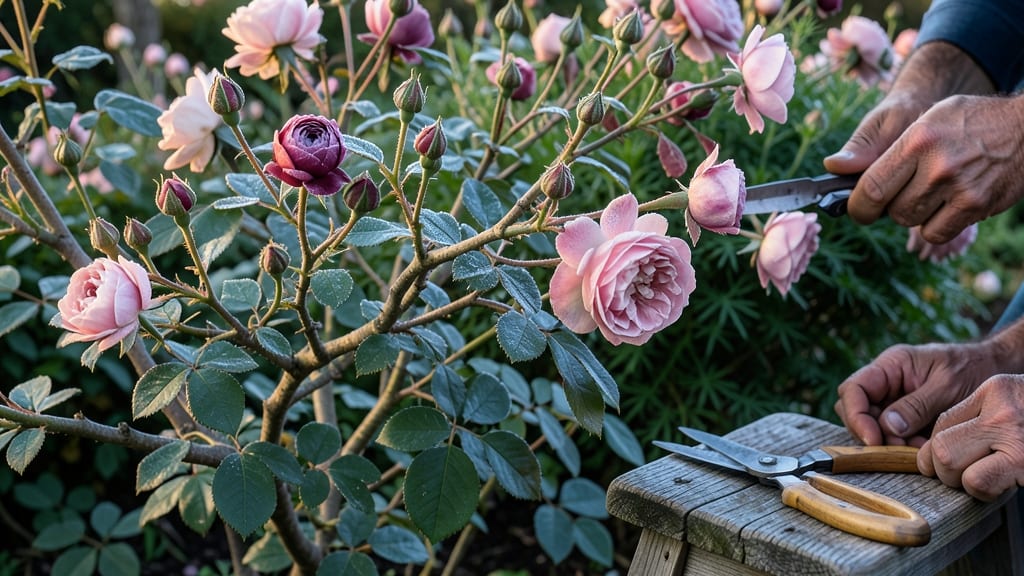
Your David Austin roses—those beloved historic varieties with their romantic, layered blooms—deserve a gentler touch than modern roses. February is the perfect time to shape them without sacrificing their natural charm, ensuring they reward you with lush, repeat blooms all season.
Focus on light shaping rather than aggressive cutting: remove only dead, crossing, or weak growth, leaving the rest to maintain their classic, bushy form. Aim to open the center of the plant for better airflow, which reduces disease risk while preserving their vintage aesthetic. Use clean, sharp shears to make angled cuts just above outward-facing buds to encourage healthy growth.
This approach is ideal for gardeners who love heirloom roses and want to preserve their historic beauty while keeping maintenance manageable. A little patience in February means you’ll enjoy their abundant, fragrant blooms from spring through fall. 🌷
June Pruning for Ground Cover Roses
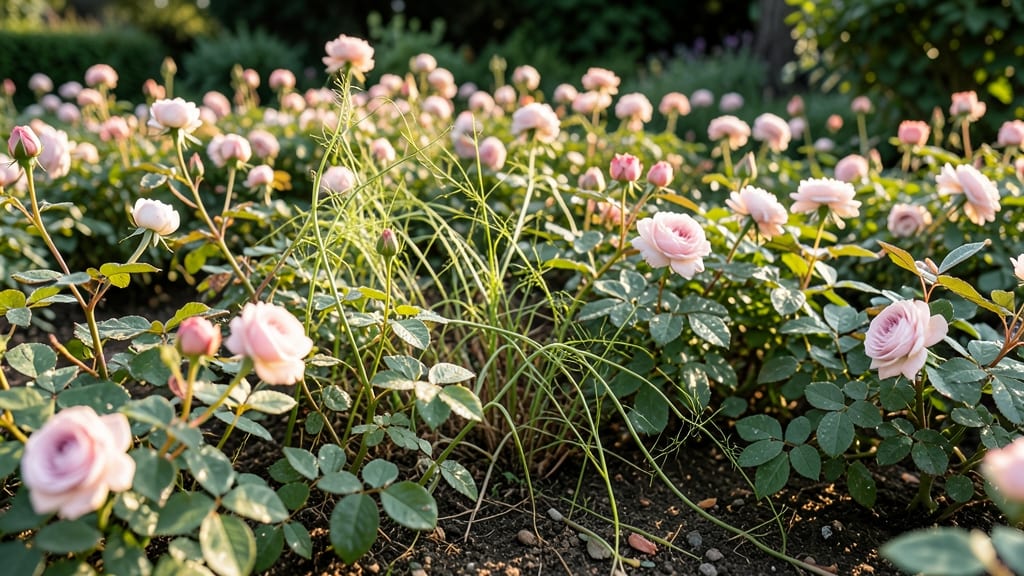
If your ground cover roses like Drift roses are starting to look leggy or spread too thin, June is the perfect time to rein them in. Unlike upright varieties, these low-growing beauties need a different approach—focus on trimming back overlong stems to encourage bushier growth and maintain that lush, carpet-like appearance.
Use clean, sharp pruners to cut back stems that are growing outward or upward, aiming to create a more compact shape. Remove no more than one-third of the plant at once to avoid stress, and always prune just above an outward-facing bud. This encourages new growth to fill in gaps, keeping your dense ground cover looking its best through summer and fall.
This June pruning is especially valuable for gardeners using roses as living mulch or in small spaces where sprawl would be problematic. With just 10-15 minutes of maintenance, you'll transform a wild, straggly look into a neat, vibrant border that stays contained all season. ✨
September Pruning for Rose Hip Production

Want to turn your roses into a wildlife buffet while keeping your garden looking tidy? September is the perfect time to prune for rose hips—those bright red orbs that feed birds and small mammals through winter.
Leave one-third of your spent blooms on the bush after they fade. This small change transforms your garden into a year-round food source for finches, robins, and squirrels. For best results, focus on disease-resistant varieties like Rosa rugosa or Rosa canina, which produce the most abundant hips. Simply trim back weak or crossing canes while leaving healthy stems with blooms intact.
This approach is ideal for eco-conscious gardeners who want to support local wildlife without sacrificing aesthetics. Just a few intentional cuts in September can turn your roses into a functional and beautiful garden feature. 🌻