
Pruning
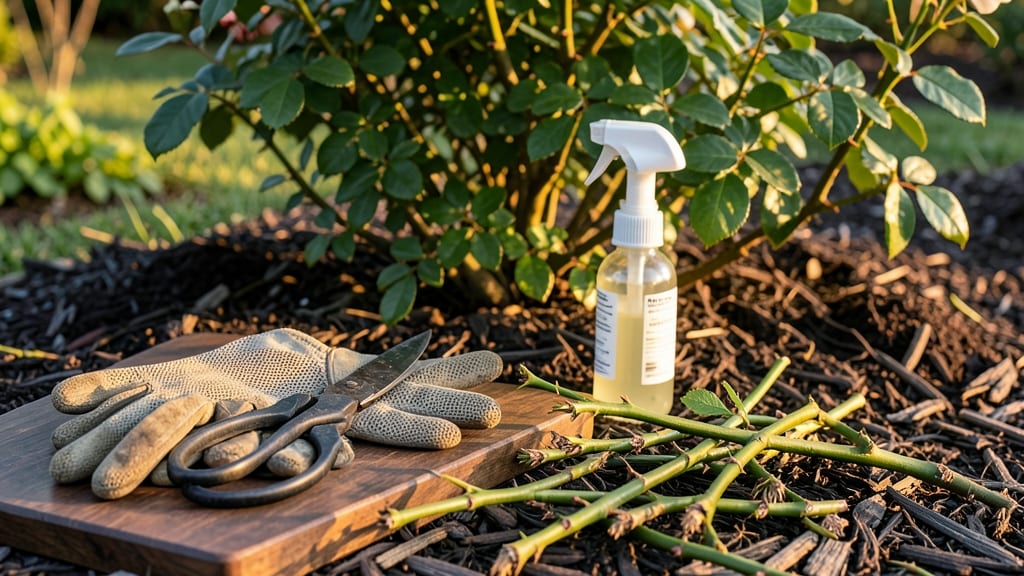
Autumn’s the perfect time to prune bush roses—strategic cuts now mean stronger canes and winter resilience that pay off next spring. ✂️ I’ve pruned mine for years, and the difference between a well-timed trim and a late-season hack is night and day.
Too late, and you risk winter damage; too early, and you stunt new growth. The goal? Shape the plant, remove dead wood, and encourage next year’s blooms.
You’ll need sharp bypass pruners (dull blades tear canes), rubbing alcohol to sterilize them between cuts, and a bucket for clippings. Work on a dry day when temps are above 40°F—cold, wet wood snaps unpredictably.
Focus on removing dead, diseased, or crossing branches first, then thin out crowded stems to improve airflow. Every cut should be at a 45-degree angle, just above an outward-facing bud.
What you’ll end up with is a neat, open structure that sheds snow better and resists fungal diseases. The canes you leave behind will harden off for winter, and those buds you’ve exposed?
They’ll burst into life as soon as spring warms the soil. It’s the one pruning session that sets the stage for the whole season.
For extra protection in harsh winters, mulch around the base with 2-3 inches of shredded bark—it insulates roots and keeps moisture steady. And if you’re still unsure about timing, remember: late November is your cutoff.
After that, the plant’s energy shifts to dormancy, and pruning just stresses it out. Trust the process, and your roses will thank you with bolder blooms next summer.
📚 In This Guide
- What you need
- Instructions
- Tips and common mistakes
- Wrapping up and next steps
What you need
- ● Pruning shears (bypass or anvil type) – Choose sharp, high-quality shears (e.g., Felco or Corona) with a 5-7" blade for precision cuts.
- ● Loppers (for thicker canes) – Opt for 18-24" loppers with a 2.5-3" cutting capacity for stubborn branches.
- ● Pruning saw (for very thick canes) – Select a curved-blade saw for clean cuts on canes over 1.5" in diameter.
- ● Rubbing alcohol (70% or higher) – 1 small bottle (8 oz) to sterilize tools between cuts and prevent disease.
- ● Garden gloves – Heavy-duty, cut-resistant gloves (e.g., Mechanix or Filmore) to protect your hands from thorns.
- ● Disposable pruning bags or bucket – For collecting pruned canes (1-2 gallon size).
- ○ Garden twine or tape – Optional but helpful for marking canes if you’re unsure which to prune.
- ● Hand pruners with a crimping tool – For sealing larger cuts on older canes to reduce bleeding.
- ● Pruning sealant (e.g., Tree Seal Tape) – Small tube (2 oz) for sealing cuts on canes thicker than 0.5".
- ● Knee pad or stool – For comfort if your roses are tall or the ground is uneven.
- ● Notebook or app (e.g., Gardenate) – To sketch your rose’s structure before pruning for reference.
Step-by-Step guide for pruning bush roses in autumn
Here's how I transform my bush roses into stronger, more resilient plants every fall—no guesswork, just strategic cuts.
✂️ Step 1: Remove Dead, Diseased, or Weak Canes First
Start by inspecting each cane carefully. Look for stems that are completely brown, mushy, or covered in black spots—these are dead or diseased and need to go. I grab a cane with one hand and pull gently while cutting with my pruners at the base. This prevents splintering and makes cleanup easier.
Don't worry about being too aggressive here. You can always adjust later. The goal is to eliminate anything that won't recover or could spread disease over winter. If a cane is hollow or crumbly when you cut it, it's definitely dead.
✂️ Step 2: Thin Out Crowded Canes for Better Airflow
Next, focus on the remaining healthy canes. Bush roses thrive when they have good airflow, so I remove about one-third of the oldest, thickest canes first. These are usually the ones that grew in previous seasons and are now woody at the base. Cut them back to the ground.
I like to step back and visualize the plant after each cut. You want to see light penetrating the center. If canes are growing in tight clusters, thin them out until you can see at least 4-6 inches of space between stems. This prevents fungal issues and encourages stronger new growth next spring.
✂️ Step 3: Prune for Shape and Size Control
Now it's time to shape the rose bush. I use my pruners to cut back the remaining canes by about one-third of their height. Make cuts just above an outward-facing bud—this encourages growth in the right direction. Angle the cut slightly downward to prevent water from pooling.
For bush roses, I aim for a rounded, open shape. Avoid cutting back too aggressively—you don't want to leave canes too short, as this can weaken the plant. A good rule of thumb is to leave at least 3-4 strong canes with multiple buds remaining. This ensures a strong framework for next year's blooms.
✂️ Step 4: Clean Up and Protect the Plant
After pruning, rake up all the fallen leaves and debris from around the base of the plant. This removes hiding spots for pests and reduces disease risk. I also disinfect my pruners with rubbing alcohol between cuts to prevent spreading any potential pathogens.
Finally, apply a 2-3 inch layer of mulch around the base, keeping it a few inches away from the stem. This insulates the roots and protects against winter temperature swings. I avoid piling mulch too high, as this can suffocate the plant. A light layer is all you need to get through the cold months.
⏰ Step 5: Time Your Final Pruning Before Frost
Finish pruning at least 4-6 weeks before your first expected frost. This gives the plant time to heal and prepares it for dormancy. If you prune too late, new growth can be damaged by cold, leaving the plant vulnerable. I mark my calendar to avoid this common mistake.
Once done, give the plant a deep watering to help it recover. The roots will benefit from the moisture as they prepare for winter. Avoid fertilizing at this stage—your roses need to rest, not feed. With these cuts, your bush roses will emerge stronger and more vibrant in spring.
Tips & tricks for pruning bush roses in autumn
These practical insights will help you prune with confidence—and avoid the most common mistakes that can stress your roses.
Visualize the Plant's Future: Before making any cuts, step back and imagine how your rose bush will look after pruning. In Step 2, when you're thinning out crowded canes, aim to create an open center that lets light and air circulate freely. I find it helpful to sketch a quick rough shape on paper first—this prevents over-pruning or leaving too many canes. The goal is a balanced, rounded silhouette where you can see through the center like a window.
Cutting Technique Matters: When shaping canes in Step 3, always make clean cuts just above an outward-facing bud using sharp pruners. I learned this the hard way—dull blades tear the bark, leaving wounds that invite disease. Angle your cuts slightly downward to prevent water from pooling on the cut surface. For stubborn canes, grip with one hand and cut with the other while pulling gently away from you—this creates a smoother cut and protects your fingers from the blade.
Timing is Everything: The 4-6 week window before frost in Step 5 is critical because it allows your roses to heal before winter dormancy. If you live in a region with unpredictable weather, check your local frost date and mark your calendar. I've made the mistake of waiting too long—new growth can emerge after late pruning, only to be damaged by an unexpected frost. For extra peace of mind, do a quick online search for "last frost date [your city]" to get the most accurate timing.
Mulch Like a Pro: When applying that 2-3 inch layer of mulch in Step 4, keep it 2-3 inches away from the stem to prevent rot. I like to use shredded bark or straw because they break down slowly and improve soil structure over time. Avoid fresh wood chips—they can draw nitrogen from the soil as they decompose, which your roses need for spring growth. A light layer of mulch also helps regulate soil temperature, protecting roots from extreme cold snaps.
Pro Tips for Pruning Bush Roses In Autumn
- These practical insights will help you prune with confidence—and avoid the most common mistakes that can stress your roses.
- Visualize the Plant's Future: Before making any cuts, step back and imagine how your rose bush will look after pruning.
- Cutting Technique Matters: When shaping canes in Step 3, always make clean cuts just above an outward-facing bud using sharp pruners.
Frequently asked questions
Got questions about pruning bush roses in autumn? You’re not alone! Here are some of the most common concerns—and their straightforward answers—to help you prune like a pro.
When is the exact best time to prune bush roses in autumn?
Prune after the first hard frost (when foliage turns brown) but before winter dormancy sets in—typically late October to early November in most U.S. zones. This timing balances disease prevention and winter resilience. Avoid pruning too early (when pests/diseases linger) or too late (when cold weakens recovery).
How much should I cut back bush roses in autumn?
Reduce canes by ⅓ to ½ their height, focusing on:
- Dead, diseased, or crossing branches (remove at the base).
- Weak or spindly growth (cut to an outward-facing bud).
- Leave 3–5 strong canes for next year’s blooms.
What if I skip autumn pruning—will my roses survive?
Yes, but with trade-offs:
- Overwintering pests/diseases (like black spot) may linger.
- Weaker canes = fewer blooms next spring.
- Risk of suckering (wild, unruly growth) in spring.
Can I prune bush roses in late autumn or early winter?
Late autumn (December) or early winter (January) pruning is riskier because:
- Cold temperatures slow healing, increasing disease risk.
- Dormant canes are harder to assess (hidden damage may go unnoticed).
How do I know if I’ve pruned too much?
Watch for these signs:
- No new growth next spring (over-pruning removes next year’s blooms).
- Canes look too bare (leave at least 2–3 buds per stem).
- Yellowing leaves or wilted canes (sign of stress).
Wrapping up and next steps
Pruning bush roses in autumn isn’t just about tidying up—it’s your secret weapon for stronger blooms and winter resilience. By removing dead, diseased, or crossing canes and shaping your plant thoughtfully, you’re setting the stage for a vibrant, healthier rose bush next spring. 🌿✨
Now that you’re armed with the how-to, grab those pruners and get to work! Start small if you’re new, and soon, your bush roses will reward you with lush growth and stunning flowers. Happy pruning—your garden will thank you!