
Pruning
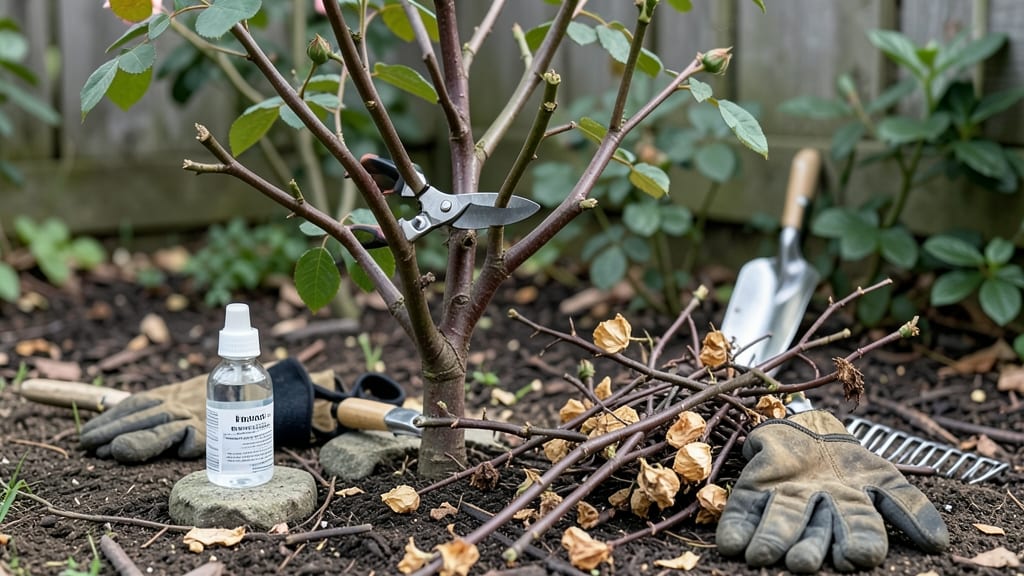
Hard pruning roses isn’t just about cutting back—it’s about revitalizing your bushes for stronger growth and more blooms. ✂️ I’ve transformed struggling, woody canes into productive plants using this 3-cut technique, and the difference is dramatic within weeks.
The key is timing, sharp tools, and knowing exactly where to make each cut to encourage fresh, vigorous shoots.
This method works best in late winter or early spring, just as new growth begins but before buds swell. You’ll need clean pruners, a disinfectant (like rubbing alcohol), and a glove—plus a clear goal: remove dead, diseased, or crossing wood while shaping the plant for airflow.
The 3-cut technique targets specific areas to stimulate new growth from the base, not just the tips.
After pruning, your roses will push out bright green, pencil-thick canes within 2-3 weeks, with the first flush of blooms arriving 6-8 weeks later. The plants stay compact, produce more flowers, and resist disease better than lightly pruned bushes.
Just avoid cutting into old wood—you’ll know it’s time to stop when you hit healthy, green pith inside the cane.
Works for hybrid teas, floribundas, and shrub roses alike, and even revives neglected bushes. The secret? Patience and precision—no guesswork. Let’s get those canes looking like new.
📚 In This Guide
- What you need
- Instructions
- Tips and common mistakes
- Wrapping up and next steps
What you need
- ● Bypass pruners (sharp, clean, and disinfected—soak in 10% bleach solution or use rubbing alcohol): 1 pair (for small to medium canes)
- ○ Optional: Loppers (for thicker canes, 2–3 inches in diameter)
- ● Garden gloves (heavy-duty, cut-resistant, like Filson or Felco gloves)
- ● Disinfectant (70% isopropyl alcohol or copper fungicide for tools)
- ○ Pruning sealant (optional but helpful for large cuts—Tree Topp or Pruning Wax)
- ● Bucket or bag (for collecting pruned canes—sterilize with bleach water)
- ● Ruler or tape measure (12–18 inches, for measuring cuts)
- ● Sharpie or marker (to label canes if grafting later)
- ● Long-handled pruners (for hard-to-reach roses)
- ● Saw (for very thick canes, 4+ inches—Fiskars pruning saw works well)
- ● Compost bin (for disposing of diseased canes—do not compost if fungal issues are suspected!)
- ● Plant tie or twine (to secure canes post-pruning if needed)
- ● Timing: Prune on a dry, cool day (avoid frost or extreme heat). Best times: late winter/early spring (before new growth) or summer (for rejuvenation pruning).
- ● Weather: No rain forecasted for 24 hours post-pruning.
- ● Safety: Wear long sleeves/pants to avoid thorns and never prune wet canes (they splinter!).
How to hard prune roses using the 3-Cut technique
This method transforms weak canes into vigorous bloomers—here’s how I do it for roses that come back stronger every season.
✂️ Step 1: Remove Dead, Diseased, or Weak Canes First
Start by inspecting each cane at the base. Cut out any that are completely brown, hollow, or mushy—these won’t recover. I use sharp bypass pruners to make clean cuts at a 45-degree angle, about ¼ inch above a healthy bud facing outward. This prevents water from pooling on the cut and rotting the cane.
Look for canes thinner than a pencil—these are energy drainers. If they’re still green but clearly weak, snip them off at the base. You’ll know you’re doing it right when the remaining canes feel sturdy and plump, like fresh asparagus stalks.
✂️ Step 2: Apply the 3-Cut Technique to Healthy Canes
For each remaining cane, make your first cut 12-18 inches from the ground, just above a strong outward-facing bud. This becomes the new base for regrowth. Next, cut back any side branches that are longer than 6 inches—these compete with the main stem for energy. Finally, trim the top of the cane to just above a bud that points in the direction you want the new growth to go.
Here’s the thing—this aggressive pruning might look brutal, but it forces the plant to redirect energy into fewer, stronger stems. You’ll see new shoots emerging from those buds within 3-4 weeks, and they’ll be thicker than before.
✂️ Step 3: Shape the Bush for Airflow and Light
Step back and visualize the rose bush as an open vase. Remove any canes that cross the center or grow inward—they’ll create a dense, shaded center that invites disease. Aim for a shape where sunlight reaches all sides. I like to leave 3-5 main canes per bush, depending on its size, to balance structure and flowering potential.
If your roses have thorns, wear gloves—but don’t let them stop you from making precise cuts. The goal is clean, sloping cuts that expose 1/3 of the bud (the top third) so new growth emerges in the right direction.
💧 Step 4: Clean Up and Fertilize for Recovery
Rake up all the pruned debris immediately—don’t leave it near the base, where it can harbor pests or fungi. I sterilize my pruners with rubbing alcohol between cuts to prevent spreading disease. After pruning, water deeply to help the plant recover, then apply a balanced 10-10-10 fertilizer to support new growth.
Watch for the first flush of new leaves—this is your signal that the plant is waking up. Mulch around the base with 2-3 inches of organic mulch to retain moisture and protect roots from temperature swings.
Tips & tricks for perfect rose pruning
Transforming your roses from lackluster to lush starts with these game-changing techniques that go beyond basic cuts.
Tool Selection: Never use dull pruners—they crush stems and create jagged wounds that invite disease. Invest in sharp bypass pruners and hone them before starting. I also keep a pair of clean, sharp loppers on hand for thicker canes. Sterilize both tools with rubbing alcohol between cuts to prevent cross-contamination of any remaining pathogens on your roses. This single step dramatically reduces the risk of fungal infections like black spot that can weaken your plants.
Bud Orientation: In Step 2, when making your cuts just above outward-facing buds, visualize the direction you want new growth to emerge. The top third of the bud should be exposed—this is where the new shoot will emerge. I like to think of it as "painting" the growth pattern of my rose bush. If you accidentally cut too close to the bud, the plant may produce weak or deformed growth. For hybrid teas, aim for buds facing outward and slightly upward to encourage upward growth and better air circulation.
Seasonal Timing: The 3-4 week window mentioned for new growth emergence assumes you're pruning in late winter or early spring when the plant is just waking from dormancy. If you prune in summer, expect new shoots to appear within 2-3 weeks instead. This accelerated growth happens because the plant is actively photosynthesizing. However, summer pruning should be minimal—focus only on removing dead or diseased wood to avoid stressing the plant during its active growing season.
Pruning Afternoon: Schedule your pruning for late afternoon when temperatures are cooler. This reduces stress on the plant and gives it time to recover before nightfall. I also avoid pruning on windy days—those flapping canes can tear and create larger wounds than clean cuts. If you must prune in windy conditions, work quickly and focus on the most critical cuts first. The goal is to minimize plant stress while maximizing the health benefits of proper pruning.
Pro Tips for Hard Pruning Roses
- Transforming your roses from lackluster to lush starts with these game-changing techniques that go beyond basic cuts.
- Tool Selection: Never use dull pruners—they crush stems and create jagged wounds that invite disease.
- Bud Orientation: In Step 2, when making your cuts just above outward-facing buds, visualize the direction you want new growth to emerge.
Frequently asked questions
Got questions about hard pruning roses? You’re not alone! Here are answers to the most common concerns—so you can prune like a pro and keep your roses thriving.
When is the best time to hard prune roses?
The ideal time depends on your climate. In mild winter zones (USDA 7-10), prune in late winter or early spring (Feb–March) before new growth starts. In colder regions (USDA 3-6), wait until after the last frost (March–April) to avoid frost damage. Never prune in fall—it invites disease and weakens canes before winter.
How much should I cut back when hard pruning?
For most roses, aim to remove ⅔ to ⅔ of the cane’s height, leaving 3–5 healthy buds (about ¼ inch above each bud). For climbing roses, prune less aggressively (⅓ of the cane) to maintain structure. Never leave stubs—always cut at a 45° angle just above a bud or outward-facing leaf.
What if my roses bleed sap after pruning?
Sap bleeding (a watery, sticky ooze) is normal but can attract pests. To minimize it, prune on a dry day and seal cuts with pruning sealant (optional but helpful). Avoid pruning in wet or windy conditions, as this worsens bleeding. Most roses recover fully within a few weeks—just keep them well-watered!
Can I hard prune roses in summer?
While possible, summer pruning is risky unless you’re dealing with dead or diseased canes. Heavy summer cuts can shock the plant and reduce flowering. If you must prune, do it after blooming (late June–July) and avoid cutting back more than 25% of the plant. Focus on dead wood and pests instead.
What’s an alternative if I hate hard pruning?
If hard pruning feels extreme, try selective pruning or renewal pruning:
- Selective pruning: Remove only dead, diseased, or crossing canes while leaving most of the plant intact.
- Renewal pruning: Cut back 1–2 oldest canes per year (⅓ of their height) to rejuvenate growth without overhauling the bush.
This method spreads out the workload and reduces stress on your roses. Hybrid teas and floribundas respond well to this approach!
Wrapping up and next steps
Hard pruning roses might seem intimidating, but with the 3-cut technique, you’re already on the path to stronger, healthier plants! 🌱 By removing dead wood, shaping canes, and encouraging new growth, you’ll unlock year-round blooms and resilience.
Trust the process—your roses will thank you with vibrant flowers and lush foliage.
Ready to take the next step? Grab your pruners and schedule a pruning session on a calm, dry day. Watch your garden transform as your roses bounce back with renewed energy!