
Pruning
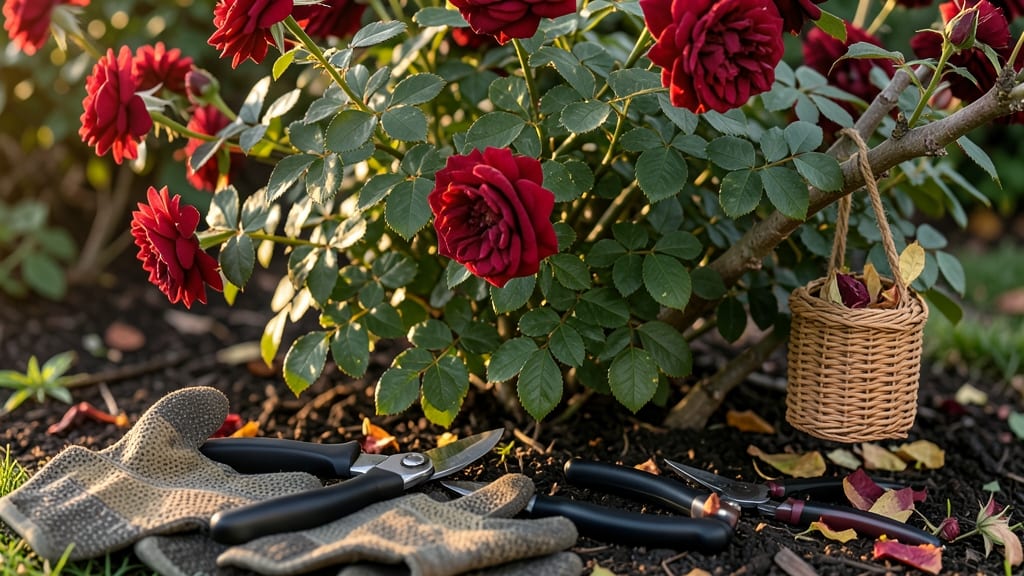
Pruning knockout roses isn’t just about cutting back—it’s the secret to their year-round blooming magic. ✂️ I’ve pruned these tough, disease-resistant bushes for years, and the right cuts transform leggy growth into a dense, flower-covered powerhouse. The key? Timing, technique, and a little patience—no fancy tools or horticultural degree required.
Start with clean tools (sharp pruners and rubbing alcohol for disinfecting) and work on a dry, mild day—never when frost looms or rain is forecasted. Your goal is to remove dead, crossing, or weak branches first, then shape the bush by cutting just above an outward-facing bud.
Think of it like sculpting: you’re guiding growth, not hacking randomly. After pruning, your roses will reward you with new red shoots within 10-14 days, followed by a nonstop bloom cycle that outlasts most varieties.
The bush stays compact, resists pests better, and produces thicker stems that support more flowers. Just avoid the common mistake of topping too much at once—you’ll shock the plant and delay blooms. For best results, prune lightly in late winter (when buds swell) and again after heavy blooming periods.
Works for all Knockout rose varieties—whether you’re growing in full sun or partial shade. Let’s get those shears sharp and start shaping!
📚 In This Guide
- What you need
- Instructions
- Tips and common mistakes
- Wrapping up and next steps
What you need
- ● Bypass pruners – Sharp, clean pruners (avoid anvil pruners to prevent crushing stems). Specs: 5-7 inch blades, stainless steel.
- ● Loppers – For thicker stems (½ inch or larger). Specs: 10-12 inch reach, bypass-style.
- ● Garden gloves – Heavy-duty, cut-resistant (thorns are sharp!). Specs: Nitrile-coated for grip.
- ● Disinfectant – Rubbing alcohol (70% isopropyl) or a pruner sanitizer to prevent disease spread.
- ○ Garden twine or plant ties – For securing larger branches post-pruning (optional but helpful).
- ● Hand saw – For stubborn, woody stems (if loppers can’t cut through).
- ● Hose or bucket of water – To clean tools between cuts and rinse off sap.
- ● Marking spray or tape – To label branches (e.g., for training or identifying dead wood).
- ● Compost bag – For collecting pruned debris (or leave on-site for mulch).
- ● A clear day – Avoid pruning in wet or windy conditions (disease risk + safety).
- ● Sharp tools – Dull blades tear stems, inviting pests. Pro tip: Sharpen or replace blades yearly!
- ● Safety gear – Sunglasses and long sleeves (thorns + sun protection).
Step-by-step guide to pruning Knockout roses for continuous blooms
Here's the foolproof method I use to keep my Knockout roses flowering nonstop—no dead wood, no guesswork.
✂️ Step 1: Time Your Prune for Peak Growth
Prune your Knockout roses in early spring, right as new growth begins—typically when you see 1-2 inch green shoots emerging from the buds. This timing ensures you cut back just before the plant's natural flush of energy, which triggers vigorous regrowth. If you prune too early, you risk damaging dormant buds; too late, and you'll cut off new blooms.
I always prune on a mild, dry day when temperatures are between 50-65°F. Avoid pruning after a hard frost or during extreme heat, as stress weakens the plant. Grab your tools—clean, sharp pruners are non-negotiable. Dull blades tear stems, inviting disease. Wipe them down with rubbing alcohol between cuts to keep them sterile.
✂️ Step 2: Cut Back for Structure and Airflow
Start by removing any dead, diseased, or crossing branches first. These compete with healthy growth and block airflow, which promotes fungal issues. Cut these back to the base or to a healthy outward-facing bud. Knockout roses thrive with an open, vase-like shape—this encourages sunlight penetration and reduces humidity buildup in the center.
Next, shorten the remaining branches by one-third, cutting just above an outward-facing bud. Make your cuts at a 45-degree angle, about ¼ inch above the bud. This angle helps water runoff away from the cut, preventing rot. Avoid leaving stubs—always cut cleanly to the bud. If a branch is too weak or spindly, remove it entirely to redirect the plant's energy into stronger growth.
🌿 Step 3: Fertilize and Monitor for New Growth
After pruning, apply a balanced rose fertilizer (10-10-10 or similar) to replenish nutrients lost during the cut. Water deeply to help the plant recover, and keep the soil consistently moist but not soggy for the first 2-3 weeks. You'll see new growth emerge within 7-10 days—this is your signal that the prune worked.
Remove any suckers (shoots growing from the base or graft union) immediately. These sap energy from the main plant. Once new blooms form, deadhead spent flowers by cutting back to the nearest outward-facing bud. This encourages continuous flowering throughout the season. Mulch around the base with 2-3 inches of organic mulch to retain moisture and regulate soil temperature.
⏰ Step 4: Light Maintenance Pruning for Year-Round Blooms
Every 4-6 weeks, do a quick check for any branches that are growing inward or rubbing against others. Trim these back to maintain airflow and shape. Knockout roses are low-maintenance, but this light pruning keeps them looking tidy and encourages more blooms. Avoid heavy pruning after mid-summer—it can stunt fall growth and reduce winter hardiness.
In late fall, give your roses a final light trim to remove any dead or diseased wood. Cut back by about 10-20% to tidy up, but don’t overdo it. The goal is to shape, not stress. Once the first hard frost hits, stop pruning entirely and let the plant enter dormancy naturally. With this method, your Knockout roses will reward you with nonstop blooms from spring through fall—no fuss, no failures.
Tips & tricks for pruning Knockout roses
A few key insights that'll help you avoid common mistakes and maximize those year-round blooms.
Timing is Everything: The early spring window—when you spot those 1-2 inch green shoots—is your golden opportunity. I learned this the hard way after pruning too early one year and watching my roses struggle to recover. The plant needs that natural energy surge to rebound, so wait until you see active growth before touching your pruners. If you're in a warmer climate, you might need to adjust slightly later, but never after the first flush of blooms appears.
Tool Prep Prevents Problems: Sterilizing your pruners with rubbing alcohol between cuts is non-negotiable. I've seen fungal infections spread rapidly through roses when gardeners skip this step. For stubborn cuts, use a pair of bypass pruners—they make cleaner cuts than anvil pruners, which can crush stems. And here's a pro move: Wipe down your tools with a vinegar solution after each use to prevent rust and keep them sharp for next time.
Shape Matters More Than You Think: That open, vase-like shape isn't just for looks—it's a game-changer for airflow and light penetration. When you're cutting back by one-third, visualize the center of the plant becoming more open. This reduces humidity buildup, which is crucial for preventing black spot disease. I like to step back every few cuts to check my progress—it's amazing how much difference proper shaping makes in just a few minutes.
Post-Prune Care Keeps Them Thriving: The first 2-3 weeks after pruning are critical for recovery. I've found that mulching with 2-3 inches of organic mulch helps regulate soil temperature and retain moisture, which is especially important if you're in a hot climate. And don't forget to monitor for suckers—they're energy vampires that can drain your roses. Remove them immediately to keep your plant's energy focused on producing those stunning blooms.
Pro Tips for Pruning Knockout Roses
- A few key insights that'll help you avoid common mistakes and maximize those year-round blooms.
- Timing is Everything: The early spring window—when you spot those 1-2 inch green shoots—is your golden opportunity. I...
- Tool Prep Prevents Problems: Sterilizing your pruners with rubbing alcohol between cuts is non-negotiable. I've seen ...
Frequently asked questions
Got questions about keeping your Knockout Roses thriving with the perfect prune? You’re not alone! Here are answers to the most common queries—so you can confidently snip and grow year-round blooms.
When is the best time to prune Knockout Roses for maximum blooms?
Prune your Knockouts twice a year: late winter/early spring (just before new growth starts) and mid-summer (after the first flush of blooms). This keeps them bushy and flowering nonstop! Avoid heavy pruning in fall—it can stress the plant before winter.
How much can I cut back Knockout Roses without harming them?
You can be bold! Cut back 1/3 to 1/2 of the plant’s height in late winter, and up to 1/3 in summer. Look for outward-facing buds—these will grow into sturdy stems. Never prune more than 1/3 in a single session to avoid shocking the plant.
What if my Knockout Roses aren’t blooming after pruning?
Check these fixes:
- Light: Ensure they get 6+ hours of sun daily—Knockouts need full sun to bloom.
- Water: Deep water 1-2 times per week (more in extreme heat).
- Fertilizer: Use a balanced rose food (like 10-10-10) every 4-6 weeks.
- Deadheading: Remove spent blooms regularly to encourage new flowers.
Can I prune Knockout Roses too much? What are the signs?
Yes! Over-pruning shows up as bare stems, sparse foliage, or no blooms. If you’ve cut back more than 1/3 of the plant or see no new growth within 2–3 weeks, you’ve likely pruned too aggressively. Give it time—Knockouts are resilient but need healthy canes to recover.
Are there alternatives to pruning if I’m not confident?
Try these low-maintenance options:
- Selective trimming: Just remove dead or crossing branches (no heavy cuts).
- Hydrangea shears: Use them for light shaping instead of sharp pruners.
- Hire a pro: Local gardeners often offer affordable pruning services for roses.
Wrapping up and next steps
Pruning your Knockout roses doesn’t have to be intimidating—with the right tools, timing, and technique, you’ll keep those vibrant blooms coming back stronger than ever! 🌸 Remember, consistency is key: a little effort now means lush, healthy roses all season long.
Whether you’re a seasoned gardener or just starting, your green thumb is growing with every snip.
Ready to take the next step? Grab your pruners, mark your calendar for late winter or early spring, and give your Knockouts the care they deserve. Your garden—and your roses—will thank you!