
Pruning
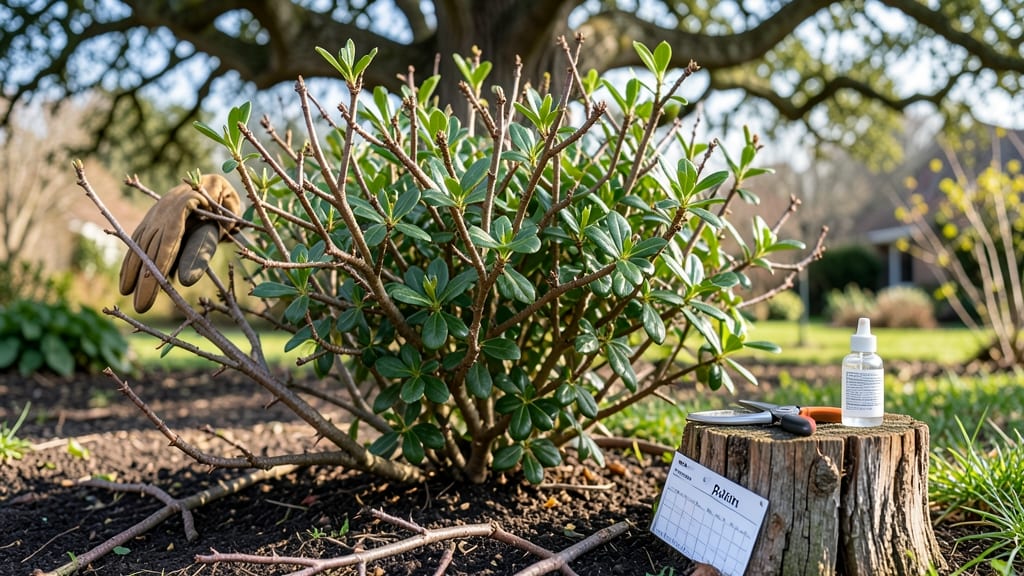
To prune pyracantha at the right time ensures vibrant blooms and manageable thorns without sacrificing those showstopping berries 🌿.
Struggling to keep your pyracantha thriving while managing its thorns and maximizing those stunning berries? Timing your prune could be the difference between a lush, blooming bush and a tangled mess.
Late winter, just as buds swell but before new growth begins, is the best time to prune for maximum blooms—but there’s a catch. Cutting too early risks frost damage, while waiting too long can reduce next year’s flowers.
In warmer climates like Zone 6a, late summer pruning after berries form helps control thorns without disrupting flowering cycles.
Below, I’ll walk you through the seasonal timing that keeps your pyracantha healthy, the tools you’ll need, and the critical mistakes to avoid—so you end up with a bush that’s both beautiful and easy to manage.
Best pruning seasons for pyracantha: blooms vs thorn control
Pyracantha bushes are prized for their vibrant berries and year-round interest, but they need precise pruning to maintain their beauty. The best time to prune depends on whether you prioritize flowering or thorn management.
Late winter or early spring is ideal for shaping, while late summer pruning can encourage new growth—but timing affects berry production and plant health.
For maximum blooms, prune your pyracantha in late winter or early spring, just before new growth begins. This timing ensures you won’t cut off next year’s flower buds, which form on old wood.
However, if your focus is thorn control or shaping, late summer pruning can be effective—though it may reduce flowering the following year.
🌿 Regional differences matter: In warmer climates (Zones 8-10), prune in late winter to avoid summer heat stress. In colder zones (Zones 6-7), wait until early spring after the last frost to prevent frost damage to fresh cuts.
| Pruning Goal | Best Time | Season | Effect on Blooms | Effect on Thorns |
|---|---|---|---|---|
| Maximize flowers & berries | Late winter/early spring | Dormant season | Preserves next year’s buds | Reduces aggressive regrowth |
| Thorn control & shaping | Late summer (after fruiting) | Active growth season | May reduce next year’s blooms | Encourages dense new growth |
| Light maintenance | Anytime (except spring bloom) | Flexible | Minimal impact | Keeps shape without overgrowth |
If you prune in late winter, focus on removing dead or diseased wood first. Next, thin out overcrowded branches to improve airflow, which reduces fungal risks.
For thorn-heavy varieties like 'Orange Glow', late summer pruning can help manage their spiky growth while still allowing time for new branches to harden before winter.
✂️ Avoid pruning in fall, as this can stimulate tender new growth that won’t survive frost. Instead, use this season to remove spent berries (if desired) or lightly shape the bush. Fall-pruned cuts may also attract pests like scale insects, which target fresh sap.
For berry-laden varieties, like 'Saphyr' or 'Teton', prioritize late winter pruning to ensure abundant spring flowers. These flowers develop on old wood, so cutting back too aggressively in summer will limit next year’s harvest.
However, if your pyracantha is becoming too leggy, a light prune in late summer can encourage bushier growth.
🌡️ Climate matters: In mild winters (Zones 9-10), prune in January-February to avoid heat stress. In cold climates (Zones 5-6), wait until March-April after the last frost risk. Always use sterilized shears to prevent disease spread between cuts.
Pro tip: Mark your calendar for late February to early March—this is the sweet spot for most U.S. regions. Prune on a dry, cloudy day to reduce stress on the plant.
If you miss this window, late summer is your next best option, but expect fewer flowers the following spring.
🌿 Thorn management tip: If your pyracantha’s thorns are a nuisance, prune selective branches in late summer to redirect energy into softer, less spiky growth. Over time, this can make the bush more manageable while keeping its ornamental value.
Step-by-step guide to pruning pyracantha for maximum berries
Pruning your pyracantha isn’t just about controlling its thorny growth—it’s the key to unlocking vibrant blooms and abundant berries. When done right, a well-timed prune encourages dense foliage and stimulates new growth where flowers (and later berries) will appear.
The secret lies in targeted cuts that remove old wood while preserving the plant’s energy for fruiting.
Before grabbing your pruning shears, know that late winter or early spring (just as buds swell) is ideal for most pyracantha varieties. This timing ensures you’re not cutting off potential flower buds that form on old wood.
For thorn-heavy varieties, a light prune in late summer can also help manage growth without sacrificing next year’s berries.
When to Prune Pyracantha for Best Results
- Late Winter (USDA Zones 6-9): Prune dormant branches in February-March before buds break. This removes dead wood and shapes the plant for spring growth.
- Early Spring (Post-Bloom): If you missed winter pruning, wait until after flowering (late April-May) to trim spent blooms and thin overcrowded branches.
- Late Summer (Thorn Control): Lightly prune new growth in August-September to manage thorn density without harming berry production.
- Avoid Fall/Winter Pruning: Never prune in fall or deep winter—this stresses the plant and invites disease before dormancy sets in.
Start by removing any dead, diseased, or crossing branches first—these compete with healthy growth for nutrients. Use clean, sharp shears to make cuts at a 45-degree angle, about ¼ inch above a bud or branch collar. This encourages healthy regrowth and reduces the risk of fungal infections.
For shaping your pyracantha, focus on opening up the center to improve air circulation and sunlight penetration. Aim to remove up to 25% of the plant’s volume in one session—never more, as this can shock the shrub and reduce berry yield.
Thin out overlapping branches first, then prune back long, leggy stems to encourage a fuller shape.
After pruning, apply a balanced fertilizer (like 10-10-10) to replenish nutrients lost during cutting. Water deeply to help the plant recover, and mulch around the base to retain moisture and suppress weeds.
With the right timing and technique, your pyracantha will reward you with dense foliage, stunning flowers, and a bounty of berries.
Remember, patience is key—pyracantha responds well to gradual pruning over time. Avoid the temptation to over-prune in one season, as this can lead to sparse flowering and fewer berries the following year. 🌿✂️🌹