
How To
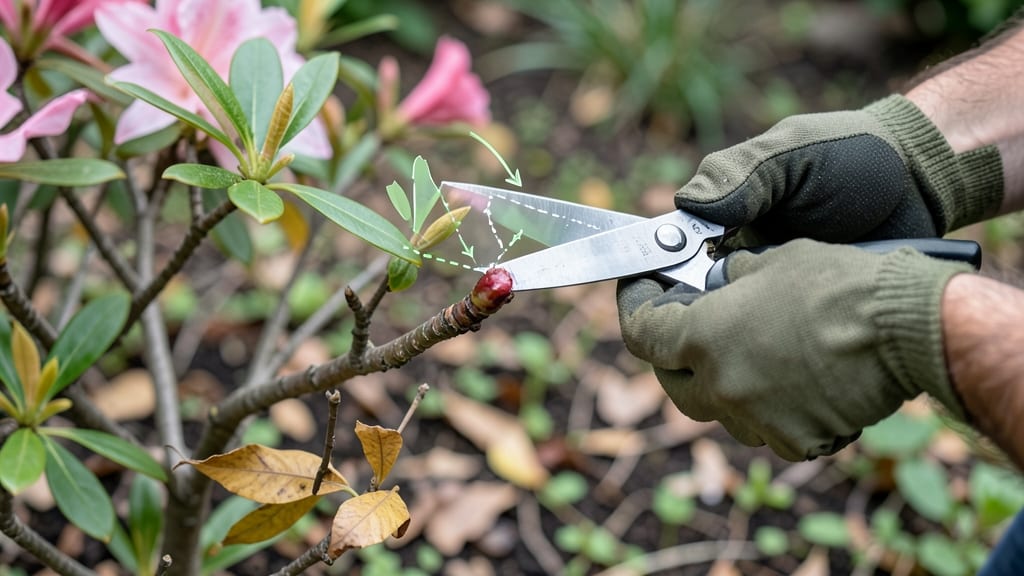
Pruning azaleas at the right time ensures vibrant blooms next spring—and the best window is late winter, just as new growth begins.
If your azaleas look tired after blooming, the secret to reviving them—and guaranteeing next year’s most vibrant flowers—starts with a single, strategic cut. But timing is everything: prune too early, and you risk stunting spring blooms; too late, and you miss the best growth window.
In USDA Zone 6a, that means late February to early March, when the plant is still dormant but ready to burst into action. This isn’t just about aesthetics—correct pruning boosts airflow, reduces pests, and encourages stronger stems for heavier blooms.
Below, I’ll walk you through the exact steps, regional adjustments, and what to avoid so your 🌸 azaleas shine brighter than ever next season.
When to prune azaleas for optimal blooms: late winter timing explained
Azaleas reward precise timing with showstopper blooms, and the best time to prune azaleas is during late winter dormancy—typically February to March in most U.S. climates. This window aligns perfectly with their natural growth cycle, ensuring next year’s flowers form without stress.
Pruning too early can damage flower buds already developing, while waiting too long delays spring growth.
Think of azaleas as dormant artists: they’ve spent winter resting, and late winter is their cue to wake up and prepare for blooming season. The key is to prune after the last frost but before new growth begins—usually 4-6 weeks before your area’s last frost date.
In USDA Zone 6, that’s often mid-February to early March.
The science behind this timing is all about bud formation. Azaleas set their next year’s flowers on old wood—last year’s growth—during late winter. Pruning too late disrupts this process, while early pruning removes potential bloom sites.
For late-blooming varieties (like Octoberfest azaleas), delay pruning until May or June, after they’ve finished flowering.
Regional adjustments matter: in warmer southern climates (Zones 9-10), prune in March-April to avoid heat stress, while northern gardeners (Zones 4-5) should wait until early April when soil thaws. Always check for dormant buds—tiny swellings along stems—as your cue. These buds are your bloom insurance for next season.
One common misconception is that azaleas should be pruned after flowering, like many shrubs. But azaleas are exceptional: their flowers form on old wood, so pruning post-bloom risks cutting off next year’s potential.
The late winter window gives you the perfect balance—removing dead or crossing branches while preserving flower buds.
For overgrown azaleas, you can do light pruning in late winter and heavier shaping after blooming (June-July), but never remove more than 1/3 of the plant at once.
This gradual approach prevents shock and maintains the shrub’s natural shape. Always use clean, sharp pruners to make 45-degree cuts just above a leaf bud or lateral branch.
If you’re unsure about your azalea’s blooming time, observe it for 2-3 years to identify its pattern. Early spring bloomers (like Knap Hill) need late winter pruning, while late spring/early summer types (like Girard’s) can wait until June.
The goal is to never prune when buds are visible—that’s your bloom deadline.
Post-pruning care is equally critical. Apply a 2-3 inch layer of mulch around the base to retain moisture and regulate soil temperature. Water deeply but infrequently to encourage root growth, and avoid fertilizing until new growth appears in spring.
This gives your azalea the strength to recover and set next year’s spectacular blooms.
Remember, azaleas thrive on consistency. Sticking to this late winter schedule year after year will transform your shrubs into bloom powerhouses, with healthier foliage and more abundant flowers than you’ve ever seen. The secret’s in the timing—and now you’ve got the perfect formula.
🌸
Step-by-step azalea pruning guide: how to cut for health and beauty
Pruning your azaleas isn’t just about keeping them tidy—it’s a health ritual that ensures vibrant blooms next season. The key? Removing dead wood, shaping for airflow, and timing cuts to avoid stressing the plant.
With the right pruning tools and techniques, you’ll transform your azaleas into lush, flowering stars. Let’s dive into the step-by-step process that guarantees results.
Before you grab your pruning shears, know this: azaleas bleed sap when cut, which is normal but can attract pests. The goal is to make clean cuts at the right time—after flowering but before new growth sprouts.
This late-winter to early-spring window (February–March in most zones) is your golden opportunity. Skip the guesswork with these clear, actionable steps.
🌿 Step-by-Step Azalea Pruning Guide
- Step 1: Gather your tools: bypass pruners, sterilized shears, gloves, and a bucket for clippings.
- Step 2: Remove dead or diseased branches first—cut them back to healthy green wood.
- Step 3: Thin out overcrowded areas to improve air circulation and sunlight.
- Step 4: Shape the shrub by trimming back up to 1/3 of the plant—never more!
- Step 5: Make cuts at a 45-degree angle, just above a bud or leaf node.
- Step 6: Clean tools with rubbing alcohol between cuts to prevent spread of disease.
- Step 7: Water deeply after pruning to reduce stress and encourage new growth.
Now, let’s talk tools. Avoid dull shears—they crush stems instead of making clean cuts. A sharp bypass pruner is your best friend for azaleas, as it leaves smooth edges that heal faster.
Pro tip: Sterilize your tools with 70% isopropyl alcohol before and after pruning to prevent fungal infections from spreading. Think of it like sanitizing your hands before cooking—just for your plants!
One of the biggest pruning mistakes is cutting into old wood (wood older than 3 years). Azaleas won’t regrow from these stems, so focus on younger branches instead. If you’re unsure, look for green bark or flexible stems—these are your targets.
Another red flag? Bleeding sap after cutting. While it looks alarming, it’s normal and won’t harm your azalea. Just wipe it away with a damp cloth to keep pests at bay.
After pruning, resist the urge to fertilize immediately. Give your azalea 4–6 weeks to recover before applying a balanced acid fertilizer (like 10-10-10). This break allows the plant to focus on root growth rather than flowering too soon.
Pair this with regular watering (deep soaks every 7–10 days) to keep the soil moist but not soggy. Your azalea will thank you with fuller foliage and showstopper blooms next season.
Finally, step back and admire your work! A well-pruned azalea should have an open, airy shape with no dense centers. If you’ve followed these steps, you’ve just set the stage for a healthier, more beautiful shrub that will reward you with years of stunning flowers.
Now, grab your shears and get pruning—your azaleas are waiting!