
Trees
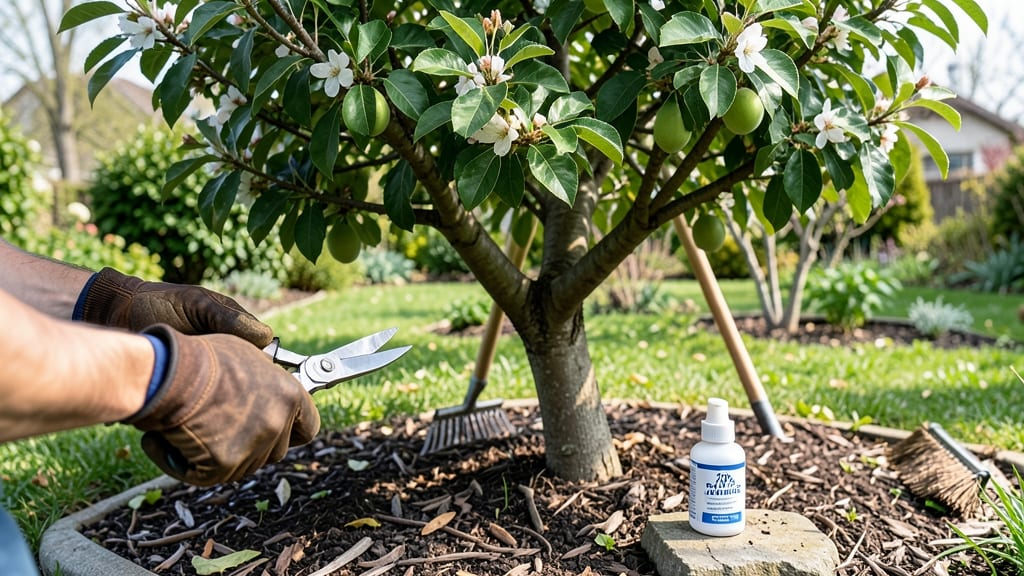
Pruning peach trees in Georgia at the right time—late winter to early spring—sets the stage for a bountiful harvest and healthier growth.
Georgia’s humid climate and hot summers demand precise timing when pruning peach trees—or risk stunted growth, disease, or poor fruit production. Prune at the wrong time, and you could weaken your tree for months.
Most gardeners in zones 7b-8b should aim for February to early March, right before buds swell but before the last frost. This window balances disease prevention with sap flow, giving your tree the best chance to recover quickly.
In this guide, I’ll walk you through the exact steps for shaping your 🍑 peach tree, avoiding common mistakes, and adjusting for Georgia’s microclimates—so you can prune with confidence and enjoy sweeter fruit by summer.
Best late winter pruning window for Georgia peach trees (with exact dates)
Georgia’s peach trees thrive when pruned at the right time, but getting it wrong can invite disease or weakened growth. The optimal window is late winter—between mid-February and early March—just before buds swell but before active growth begins.
This timing minimizes frost damage and bacterial canker risk, two major threats in Georgia’s humid climate.
Peach trees in coastal Georgia (like Savannah) can handle slightly earlier pruning—late January to February—thanks to milder winters. In contrast, Piedmont regions (Athens, Macon) should wait until mid-to-late February to avoid late frosts.
Always check your local last frost date (typically March 15 in most of Georgia) as your final guide.
Pruning too early—like in December or January—exposes fresh cuts to winter cold, causing sap loss and weakened canes. Delaying until April or May risks bud break, making the tree vulnerable to bacterial canker, a fungal disease that thrives in Georgia’s damp springs.
| Region | Best Pruning Window | Key Considerations |
|---|---|---|
| Coastal Georgia (Savannah, Brunswick) | Late January–February | Milder winters; prune before bud break to avoid bacterial canker. |
| Piedmont (Athens, Macon) | Mid-to-late February | Wait for last frost (March 15); avoid sap loss from early cuts. |
| North Georgia (Dahlonega, Blue Ridge) | Early March | Higher elevation; delay until active growth hasn’t started. |
If you miss the late winter window, your next best option is early spring—but only if buds haven’t swollen yet. Prune after bud break, and you’ll stress the tree, reducing fruit production and inviting pests.
For container-grown peach trees, follow the same timing, but be extra cautious about root damage during winter pruning.
Pro tip: Prune on a dry, sunny day to help cuts dry faster and reduce disease risk. Avoid pruning after rain, as wet conditions can spread bacterial canker spores through fresh wounds.
Always sterilize your pruners with rubbing alcohol or a 10% bleach solution before and after each tree to prevent cross-contamination.
Georgia’s peach trees also benefit from a light pruning in late summer (August) to remove water sprouts and sucker growth, but this is secondary to your winter pruning.
Focus 80% of your effort on the late winter cleanup—this sets the stage for a bountiful harvest in June or July.
Watch for bud swell as your cue to stop pruning. If you see tiny green buds forming, you’ve waited too long. At this stage, pruning can delay fruit production by 2–4 weeks, leaving your tree vulnerable to late frosts that damage blossoms.
Use a hand lens to inspect branches if you’re unsure—early detection is key.
For young peach trees (1–3 years old), limit pruning to 25% of the canopy to avoid over-stressing the tree. Mature trees can handle 30–40% removal, but never take more than one-third of the branches in a single year.
Thin out crowded branches and crossing limbs first to improve airflow and sunlight penetration
Remember: Less is more with peach trees. Aggressive pruning leads to weak canes and fewer fruits. Aim for an open-center shape (for dwarf varieties) or a central-leader form (for standard trees) to maximize fruit yield and tree health. After pruning, apply a 2-inch layer of mulch around the base (but not touching the trunk) to retain moisture and regulate soil temperature. This step is critical in Georgia’s hot summers, where mulch can reduce water needs by up to 30%. Water deeply once a week for the first month post-pruning to help the tree recover.
Step-by-step pruning guide: how to shape peach trees for maximum fruit
Pruning your peach tree isn’t just about cutting back—it’s about sculpting a fruit-bearing machine. In Georgia’s climate, proper pruning boosts airflow, reduces disease risk, and directs energy to bigger, sweeter peaches.
Whether you’re working with an open-center or central-leader shape, follow these steps to transform your tree into a productive powerhouse.
Start by gathering the right tools: sharp pruning shears for small branches, loppers for thicker limbs, and a pruning saw for large cuts. Sterilize your tools with rubbing alcohol to prevent spreading bacterial canker, a common Georgia peach tree enemy.
Always make cuts just outside the branch collar to promote faster healing and reduce infection risks.
After pruning, monitor your tree closely for the first few weeks. Look for signs of stress, like excessive sap oozing or wilting leaves, which could indicate over-pruning. Georgia’s humidity means wounds heal slower—apply a pruning sealant (optional but helpful) to larger cuts to speed up recovery.
For young peach trees, limit pruning to 25% of the canopy per year. Mature trees can handle up to 30-35%, but never remove more than 1/3 of the foliage in a single session. Patience pays off—properly pruned trees reward you with abundant fruit for years to come.
Remember, the goal isn’t perfection—it’s balance. A well-pruned peach tree in Georgia thrives with better sunlight exposure, fewer diseases, and heavier fruit loads. Grab your tools, step outside, and give your tree the care it deserves this season! 🌳