
Pruning
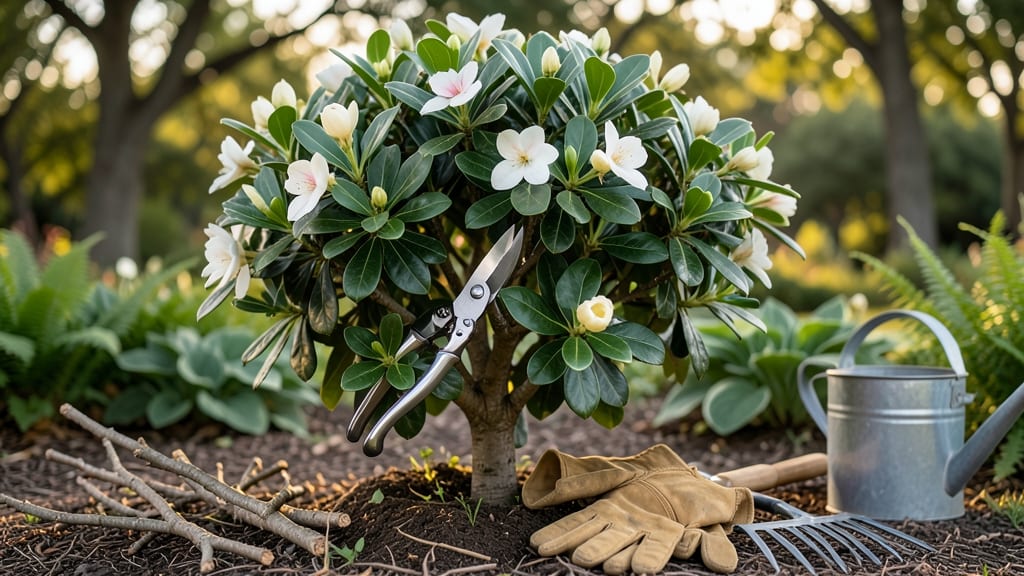
Pruning gardenias in Georgia at the right time ensures fragrant blooms and healthy growth 🌸 — and missing that window can mean sparse flowers and leggy stems.
Georgia’s humid summers and mild winters create the perfect climate for gardenias, but timing your pruning wrong can mean fewer fragrant blooms and leggy growth. The key is to prune after the spring blooms fade but before the heat of summer sets in.
For most of Georgia’s 7b-8b zones, late spring—around April to early May—is the ideal window. Coastal areas may shift slightly later due to warmer microclimates, while Piedmont regions should prune a bit earlier to avoid summer stress.
Below, I break down the exact timing for your region, how to prune without sacrificing blooms, and what to watch for to keep your gardenia thriving all season.
Best pruning times for Georgia gardenias by heat zone
Georgia’s humid subtropical climate (USDA zones 8a-9a) makes gardenias thrive, but pruning timing directly impacts their fragrant blooms. In coastal areas (9a), like Savannah, prune slightly later than inland Piedmont regions (8a) (Athens, Macon) to avoid late spring frosts.
The key is aligning pruning with your gardenia’s natural bloom cycle—typically late spring to summer—while avoiding stressful periods like extreme heat or dormancy.
Gardenias bloom on new wood, so light pruning after flowering encourages next year’s blooms. Heavy pruning should only happen in late winter (January-February) for rejuvenation, but this risks reduced blooms if done incorrectly. Below is your heat-zone-specific pruning calendar to keep your gardenias lush and fragrant year-round.
🌸
| Month | Heat Zone 8a (Piedmont) | Heat Zone 9a (Coastal) | Task |
|---|---|---|---|
| January | ✂️ Rejuvenation prune (20-30%) | ❄️ Delay until late Jan | Remove dead/diseased wood; shape lightly |
| February | ✂️ Light shaping (10%) | ✂️ Light shaping (10%) | Encourage airflow; avoid heavy cuts |
| March | 🌱 Post-bloom cleanup | 🌱 Post-bloom cleanup | Remove spent blooms; fertilize |
| April | ✅ Minimal pruning | ✅ Minimal pruning | Deadhead faded flowers only |
| May-July | 🌞 Light deadheading | 🌞 Light deadheading | Remove blooms to extend season |
| August-Sept | ⚠️ Avoid pruning | ⚠️ Avoid pruning | High heat stress risk; wait for cooler temps |
| October | 🍂 Light cleanup | 🍂 Light cleanup | Remove yellow leaves; mulch |
| November-Dec | ❄️ Dormant season | ❄️ Dormant season | No pruning; protect from frost |
In Heat Zone 8a (e.g., Athens, Columbus), prune earlier in January to account for cooler winters and late frosts. The rejuvenation prune in January removes up to 30% of old wood to stimulate new growth and denser blooms the following year.
Use sterilized shears to prevent bacterial infections—a common issue in Georgia’s humidity.
For Heat Zone 9a (e.g., Savannah, Brunswick), delay pruning until late January to avoid frost damage to fresh cuts. Coastal gardenias often bloom earlier (March-April) due to warmer microclimates, so post-bloom pruning in March is critical to prevent leggy growth.
Always prune just above a leaf node at a 45-degree angle to encourage healthy regrowth.
How to prune gardenias without killing blooms: Step-by-Step guide
Pruning your gardenias the right way ensures abundant, fragrant blooms while keeping your shrub healthy. The key is timing and technique—cut too late or too aggressively, and you risk reduced fragrance and sparse flowers.
Georgia’s climate demands extra care, so follow these steps to maintain your gardenia’s beauty without stressing the plant.
Before you start, gather your tools: sharp bypass pruners, sterilized shears, and rubbing alcohol for cleaning cuts. Avoid dull tools, as they crush stems and invite disease.
Prune on a cloudy morning to reduce stress from heat and sunlight. Now, let’s dive into the step-by-step process tailored for Georgia gardeners.
Step-by-Step Pruning Guide for Gardenias
- 🌱 Step 1: Deadhead Spent Blooms
After each bloom fades, snip off the entire flower head down to the first set of leaves. This encourages new growth and prevents seed formation, which drains the plant’s energy. Do this throughout the blooming season (spring to fall in Georgia). - ✂️ Step 2: Shape the Shrub
Prune to maintain a balanced, open shape. Remove crossing or rubbing branches first, then thin out crowded areas to improve air circulation. Aim for a rounded, bushy form—never let it grow too dense, or blooms will suffer. - 🌿 Step 3: Rejuvenate Old Wood
Every 2-3 years, prune back 1/3 of the oldest stems to the ground in late winter or early spring (February-March in Georgia). This stimulates fresh, flowering growth. Never cut more than 25% of the plant at once. - 💧 Step 4: Clean and Sterilize
After each cut, wipe your tools with rubbing alcohol to prevent spreading disease. Remove all pruned debris from the base of the plant to reduce fungal risks, especially in Georgia’s humid climate. - ☀️ Step 5: Post-Pruning Care
Water deeply after pruning and apply a balanced acid fertilizer (8-3-9 NPK) to support new growth. Mulch around the base with pine bark or pine needles to maintain soil acidity and retain moisture.
One common mistake Georgia gardeners make is pruning too late in the season. Avoid cutting back after mid-summer, as new growth won’t harden off before winter. Another pitfall is over-pruning—never trim more than 25% of the plant in a single session, or you’ll sacrifice next year’s blooms.
Always prioritize healthy stems over aggressive shaping.
If your gardenia looks leggy or sparse, it’s likely due to over-pruning in previous years. Rejuvenate it gradually by pruning only 1/3 of the oldest stems per year.
In Georgia’s heat zones, this means spreading rejuvenation pruning over 2-3 years to avoid shocking the plant. Patience pays off with more fragrant blooms and stronger growth.
Finally, keep an eye out for new growth cues. After pruning, your gardenia should show bright green leaves within 2-3 weeks. If growth stalls or leaves yellow, it may need more acid fertilizer or better drainage. Georgia’s clay soils often require amendments like peat moss to improve root health.