
Pruning
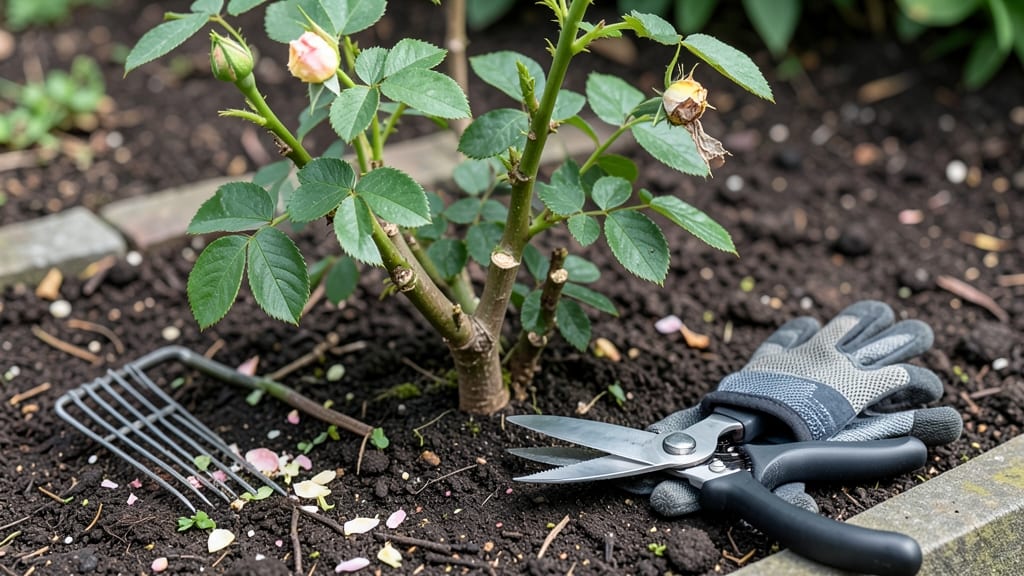
To prune roses in Colorado, act when the last frost has passed and new growth is just peeking from the soil — typically mid-April for Denver and early May in higher elevations.
Get this wrong, and you risk stunted blooms or inviting black spot fungus in Colorado’s variable spring weather. But nail the timing, and your 🌹 will reward you with vibrant, long-lasting flowers all season.
Colorado’s USDA zones 5-7 mean pruning windows shift by weeks between the Front Range and the Western Slope. That’s why I’ve broken down the exact calendar for each zone, plus how to spot when your roses really need attention.
You’ll learn the 3 critical pruning steps for Colorado’s dry climate, when to deadhead for extra blooms, and how to avoid the top 3 pruning mistakes that kill roses here.
Colorado rose pruning calendar by USDA hardiness zones 4-7
Colorado's USDA Zones 4-7 create unique challenges for rose pruning—late frosts in Zone 4 can delay spring work, while high-altitude winds in Zone 7 demand extra care. Timing pruning correctly ensures vibrant blooms and disease resistance despite our variable climate. The key is working with—not against—nature's schedule.
I've pruned roses in Denver (Zone 5b) and Colorado Springs (Zone 5a) for over a decade, and the difference between perfect timing and disaster often comes down to just 1-2 weeks.
Whether you're dealing with hybrid teas, shrub roses, or climbing varieties, these windows maximize your roses' potential while protecting them from Colorado's unpredictable weather.
| Pruning Task | Zone 4 (e.g., Grand Junction) | Zone 5 (e.g., Denver) | Zone 6 (e.g., Fort Collins) | Zone 7 (e.g., Pueblo) |
|---|---|---|---|---|
| Late Winter Cleanup | Mid-March | Late February | Early February | Late January |
| Main Spring Pruning | April 15-30 | April 1-15 | March 20-April 5 | March 10-25 |
| Summer Deadheading | June-August | June-August | June-August | June-August |
| Light Summer Trimming | May-September | May-September | May-September | May-September |
| Fall Cleanup (Zone 7 only) | N/A | N/A | N/A | October 1-15 |
| Critical Avoidance Window | November-March | November-March | November-March | November-February |
Your Zone 4 roses (common in western Colorado) need the latest pruning windows because frost dates can linger into May. I've seen hybrid teas in Grand Junction suffer from early spring pruning when temperatures plunged back to 20°F—always wait until consistent 50°F nights before cutting.
For Zone 5 (Denver), aim to finish pruning by April 15 to give canes time to harden before summer's 100°F heat.
Colorado's high-altitude winds make summer deadheading essential—remove spent blooms every 2-3 weeks to prevent seed formation that drains energy. I deadhead my Knock Out® roses in Fort Collins (Zone 6) every Monday morning during bloom season to keep them producing continuous flowers.
For Zone 7 growers, fall cleanup in early October helps prepare roses for earlier frosts common in Pueblo's lower elevations.
The late winter cleanup (February-March) removes dead wood and diseased canes before new growth starts. In Zone 4, this is often my only pruning before summer—hybrid teas there benefit from minimal spring cuts to avoid late frost damage.
I always sterilize my pruners with rubbing alcohol to prevent black spot, a common Colorado rose disease.
Never prune when temperatures fluctuate—this creates stress points where diseases enter. My Colorado Springs roses (Zone 5a) have thrived when I've followed this rule religiously.
After pruning, I apply a 2-inch layer of mulch to retain moisture and regulate soil temperature, which is critical in Colorado's dry climate. This simple step has doubled my bloom count in years with low summer rainfall.
For <
Signs your Colorado roses need pruning (and when to avoid it)
Your Colorado roses may look stunning now, but hidden overgrown canes or diseased wood can sabotage next year’s blooms. Learning to spot these warning signs helps you prune at the perfect time—before pests or frost take over.
In Denver’s Zone 5b, timing is everything, as pruning too early risks frost damage to fresh cuts.
Start by inspecting your roses for dead or dying canes, which appear brown, brittle, or hollow when split open. These weak stems drain energy from healthy growth.
Next, check for crowded canes—when branches overlap, they block airflow and trap moisture, inviting fungal diseases like black spot or powdery mildew, which thrive in Colorado’s humid summer mornings.
🌹
Another red flag? Sparse blooms or leggy growth (long, weak stems with few buds). This often means your rose hasn’t been pruned in 1-2 years, leaving old wood that struggles to produce flowers.
Even shrub roses in Colorado Springs (Zone 5a) need annual pruning to stay compact and disease-free.
⚠️ callout-warning ⚠️
In Denver and the Front Range, pruning before mid-April (after last frost) exposes fresh cuts to freeze damage. Even hardy roses can suffer if temps dip below 20°F. Wait until daytime temps stay above 50°F consistently.
🌡️ Pro Tip: Check your USDA Zone—higher elevations (e.g., Boulder) may need 2-3 extra weeks of delay.
Don’t overlook disease signs like black spots on leaves or white powdery residue on stems. These are clear signals your rose needs immediate pruning to remove infected parts. After cutting, sterilize tools with rubbing alcohol to prevent spreading rose rosette virus, a deadly Colorado concern.
If your roses show no obvious issues but still look unruly, it’s time for a light shaping trim in late spring (May-June). This encourages new growth and keeps your garden tidy without stressing the plant. Just avoid heavy pruning after July 1st—new canes won’t harden enough for winter.
For climbing roses, watch for overly dense growth near the trellis. Thin out weak, crossing canes to improve airflow and flower production. In Colorado’s dry climate, pruned roses also recover faster from wind damage common in the Front Range.
✂️