
Pruning
Struggling to get your roses to bloom abundantly? Proper pruning is the secret weapon gardeners use to transform underperforming bushes into flowering powerhouses. These 10 expert techniques reveal the exact timing, tools, and cuts that maximize blooms year after year—even for beginners.
Early Spring Pruning For New Growth
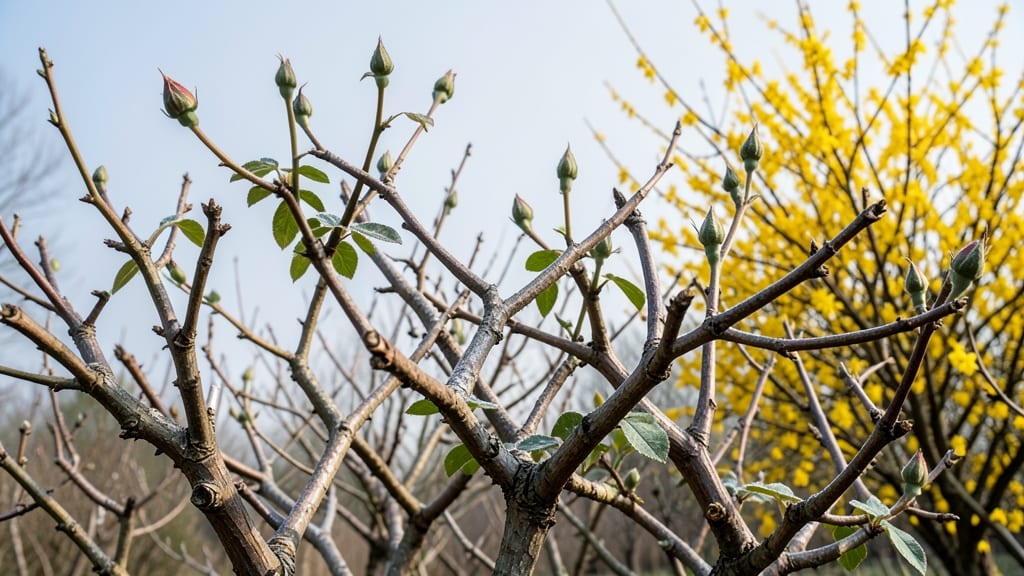
When your hybrid teas and floribundas look tired after winter, early spring pruning is the reset button they need. This isn't just trimming—it's the moment you encourage your roses to burst into vigorous new growth by removing last year's weak wood.
Time it right when forsythia blooms (late March to early April in most zones), and cut back canes to a strong outward-facing bud, about 1/4 inch above a five-leaflet leaf. This prevents disease by improving airflow and redirects energy to fewer, stronger stems that produce more blooms. For hybrid teas, aim to leave 3-5 main canes; floribundas can handle a denser shape.
This foundational step is especially valuable for gardeners in colder climates where winter damage is common. By mastering this timing, you'll set your roses up for a season of abundant, healthy blooms. 🌱
Deadheading Finished Blooms For Continuous Flowers
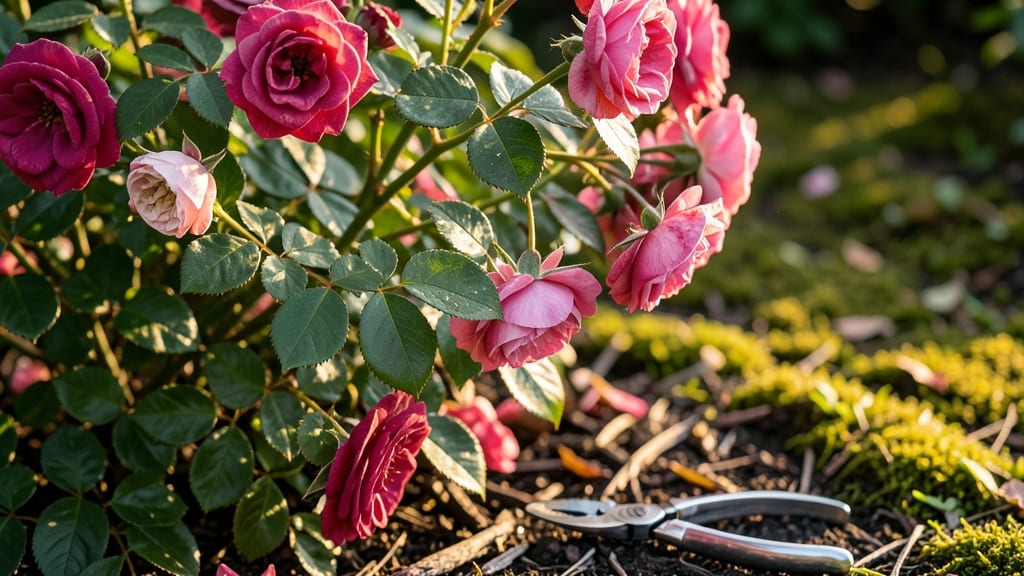
Want a rose bush that flowers nonstop instead of putting all its energy into seed production? Deadheading is the secret weapon for repeat-blooming varieties like Knock Out roses, turning a single flush of flowers into a season-long display.
Simply pinch or cut off faded blooms just above a five-leaflet leaf (or a bud) to redirect the plant’s energy toward new growth. For disease-prone roses, use clean, sharp shears to avoid tearing stems. The key is consistency—check your roses daily during peak bloom, and you’ll trigger continuous flowering until frost.
This low-effort habit works especially well for urban gardeners with limited space, as it keeps roses compact and productive. Just 5 minutes a day can add weeks to your blooming season—no fancy tools required! 🌻
Summer Light Pruning To Improve Airflow
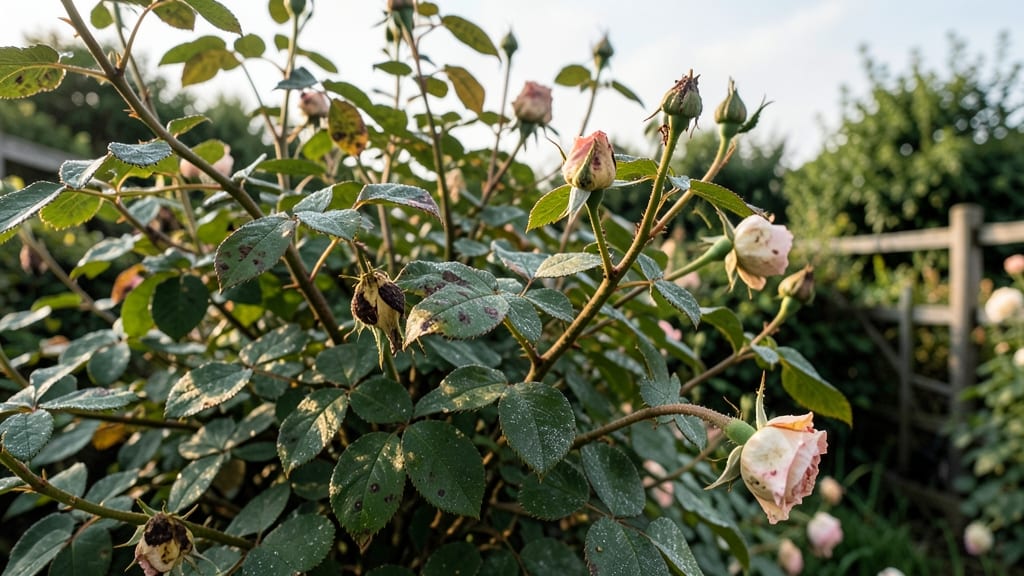
If your roses are looking crowded and struggling with black spot or powdery mildew, mid-summer is the perfect time to thin out the canopy. This light pruning—done in July or August—lets sunlight reach the center of the bush, reducing humidity and preventing fungal diseases while encouraging more blooms.
Focus on removing crossing branches and any that rub against each other, as these create wounds where diseases enter. Aim to open up the bush so light can penetrate to the center, where new buds form. For shrub roses and climbers, this step also promotes bushier growth by redirecting energy toward lateral branches rather than a single, dense stem.
This technique is especially valuable for gardeners in humid climates or those dealing with crowded rose beds. Just 15 minutes of careful pruning can transform a struggling bush into a healthier, more productive plant. ✨
Late Season Cleanup Before Winter
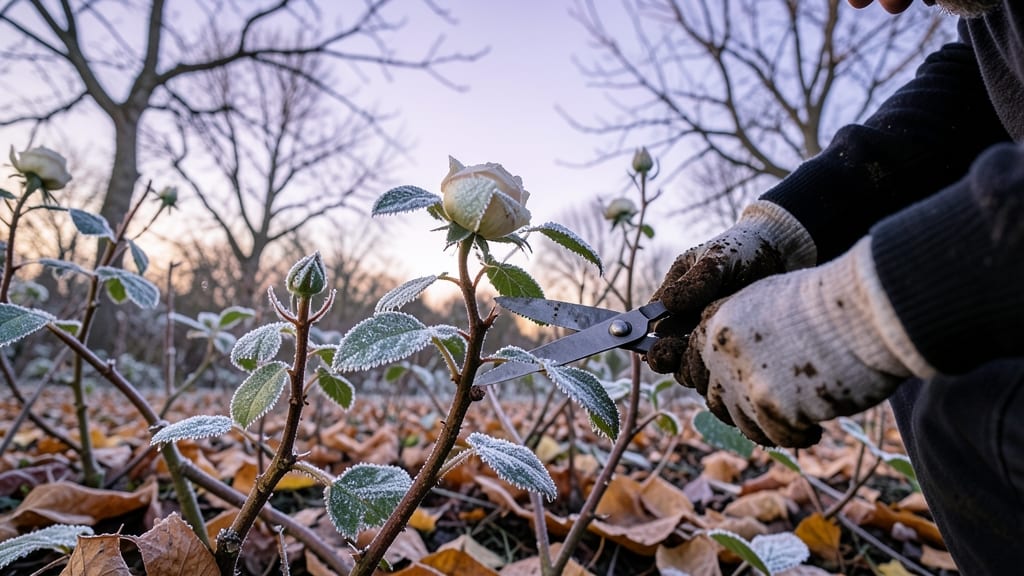
As the first frost paints your garden in silver, your roses still have one critical task before winter dormancy: a late-season cleanup that protects them from cold damage and sets the stage for next year's blooms. This isn't just about tidying up—it's about removing weakened wood and safeguarding tender canes that hold next season's flower buds.
Start by cutting out any diseased or dead wood using sterilized pruners, making clean cuts just above a healthy bud or outward-facing growth. For tender canes (like those on hybrid teas), wrap them loosely with burlap or use rose cones to shield them from harsh winds and freezing temperatures. Mulch the base with 3-4 inches of organic matter like straw or shredded leaves to insulate roots—this is especially crucial in Zone 5 and colder climates where winter kill is a risk.
Gardeners in cold regions report 30% stronger regrowth the following spring when they perform this cleanup, thanks to fewer disease reservoirs and protected bud sites. It's the perfect time to reward your roses for their summer blooms with a little extra care before they rest. 🌟
Pruning For Rose Bush Shape Control
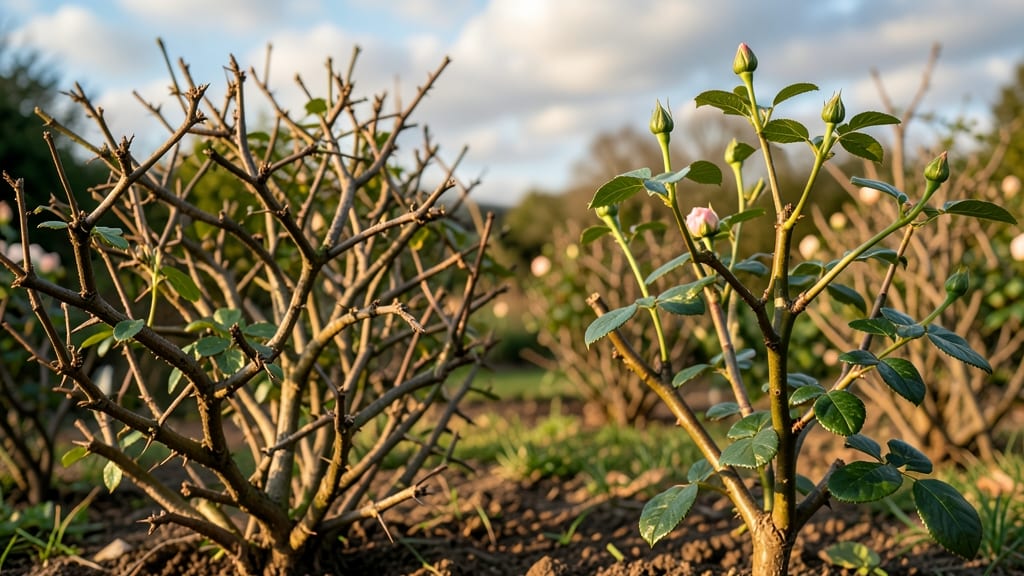
Transform your rose bushes from chaotic tangles into stunning architectural features with intentional shape pruning. Whether you crave a structured hedge or a loose, natural silhouette, this technique lets you sculpt growth patterns that match your garden vision while boosting flower production.
Start by identifying your desired shape—formal requires symmetrical cuts, while natural shapes allow for more organic branching. Remove any crossing branches first to prevent rubbing and disease, then cut back overlapping canes to open the center for airflow. For formal shapes, make cuts just above outward-facing buds at a 45-degree angle to encourage new growth in your preferred direction.
This method works especially well for shrub roses and landscape roses, where shape matters as much as blooms. Urban gardeners with limited space will appreciate how pruning for shape creates a polished look while redirecting energy toward more flowers. 🌻
Removing Suckers From Base Of Rose
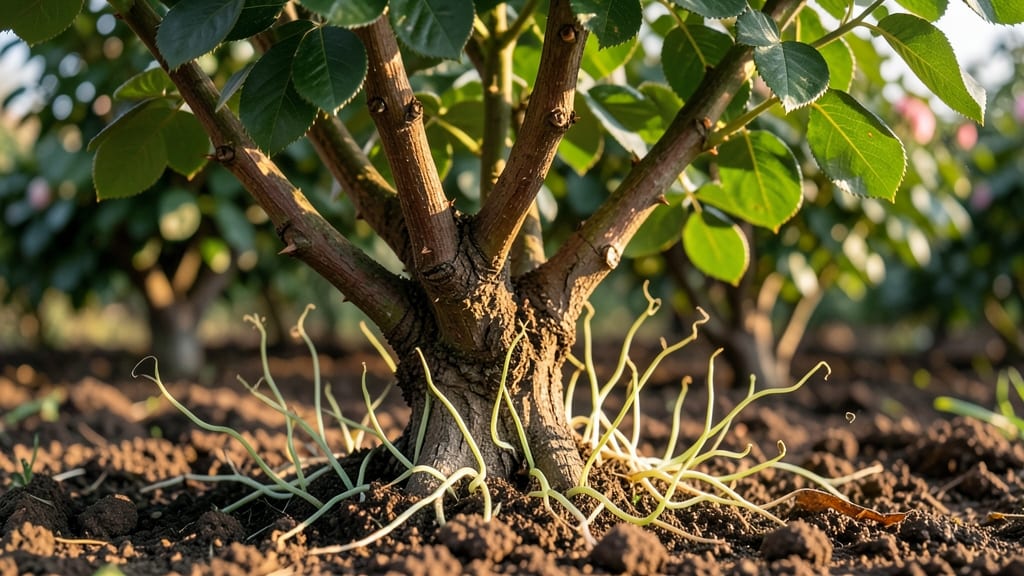
Those thin, weak shoots sprouting from the base of your rose bush aren’t helping—they’re energy vampires stealing nutrients meant for your prized blooms. These suckers, which grow from the rootstock, can sap up to 30% of your rose’s energy, leaving fewer flowers and weaker stems.
Remove them as soon as they appear—grab them at the base with your fingers or pruners and pull firmly. Suckers are especially aggressive in grafted roses like hybrid teas, so check the base every few weeks during growing season. For extra insurance, apply a mulch ring to discourage new growth from popping up.
This simple step ensures your rose directs all its energy toward stronger canes and more abundant flowers—perfect for gardeners who want bushier, healthier plants with minimal effort. 🌻
Pruning Climbing Roses For Maximum Blooms
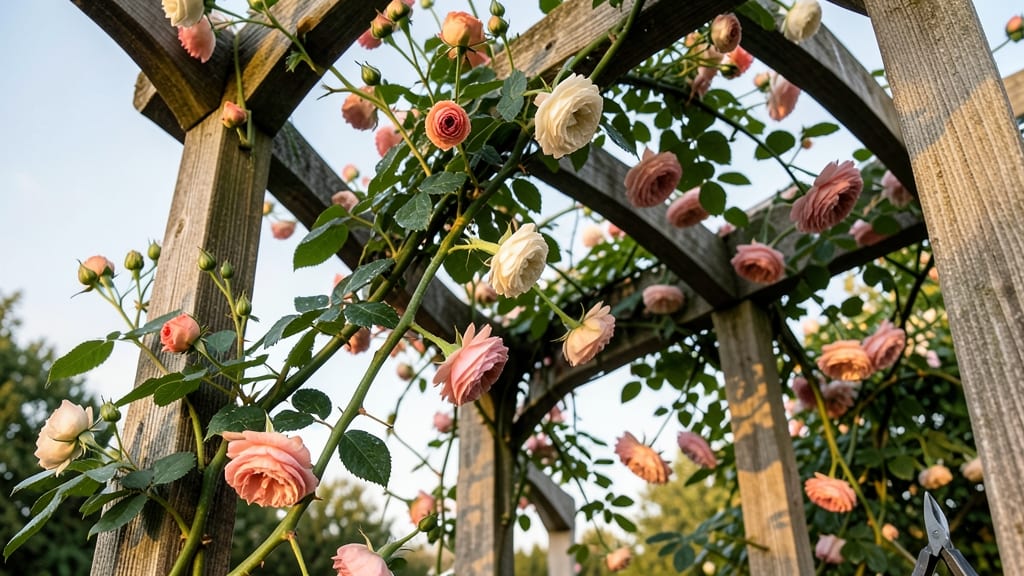
If your climbing roses are struggling to produce abundant blooms on trellises or arbors, the key lies in strategic pruning that encourages strong vertical growth while training lateral branches to bear flower clusters. Unlike bush roses, climbers need a different approach to maximize their vertical space efficiently.
Start by selecting 3-5 main stems to serve as your rose’s backbone—these should be the thickest, healthiest canes. Prune these back by about one-third in early spring to stimulate vigorous growth. Then, focus on training lateral branches at 45-degree angles from the main stems, cutting them back to 3-5 buds to encourage bushier, flower-filled growth. This method ensures sunlight reaches all parts of the plant, promoting more blooms while keeping the structure tidy and strong.
Urban gardeners with limited space will love this technique, as it transforms vertical walls into lush, fragrant displays without sacrificing flower production. With consistent pruning, your climbing roses will reward you with dramatic, cascading blooms that turn trellises into living art. 🌻
Using Pruning To Encourage Rose Bud Formation
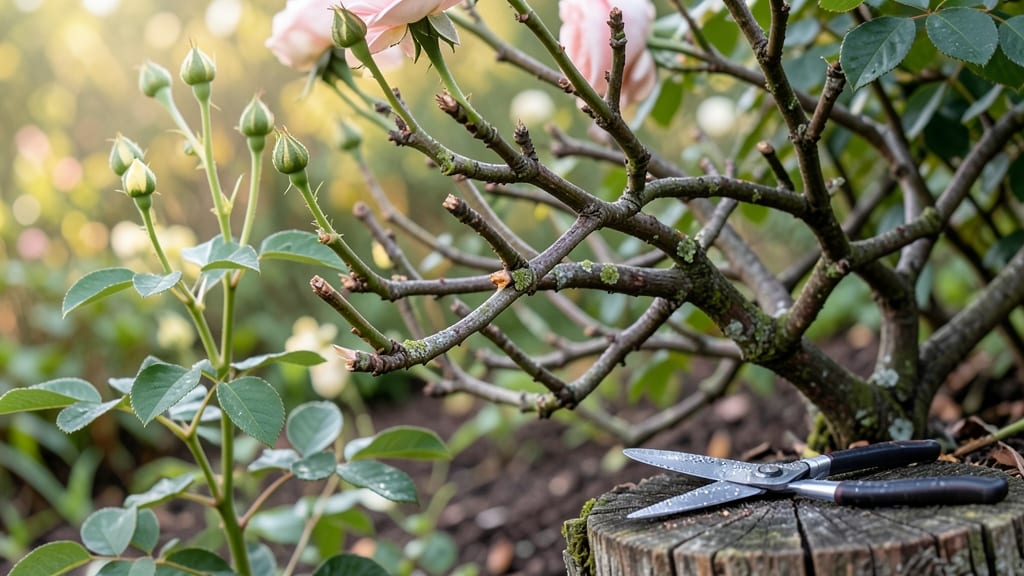
Struggling with old garden roses or species roses that seem reluctant to bloom? The secret lies in strategic pruning that triggers hormonal signals for more bud sites. This isn't just about cutting back—it's about directing your rose's energy toward flowering potential.
Focus on making cuts just above an outward-facing bud or leaf cluster, which stimulates the plant's natural growth hormones. For species roses, avoid heavy pruning—they respond better to light shaping that opens the center for sunlight. In early spring, target last year's growth where buds form most actively. This method can increase bud sites by up to 40% in just one season!
Perfect for heritage rose collectors or gardeners with limited space, this approach transforms reluctant bloomers into prolific producers. 🌻
Pruning Tools And Techniques For Clean Cuts
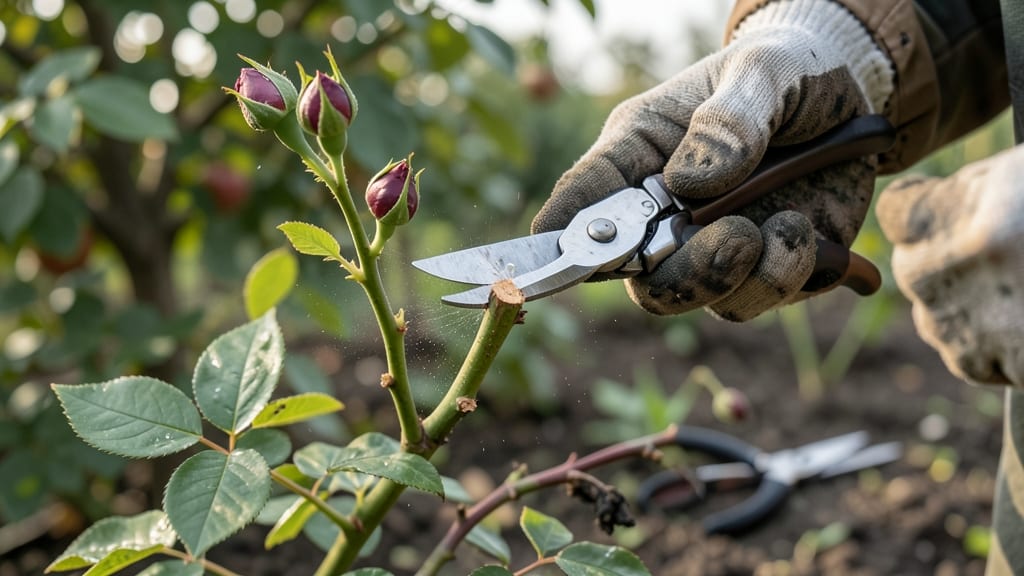
Your pruning tools can make or break your rose's recovery—and your future blooms. Using the wrong tool or making jagged cuts creates entry points for diseases like black spot, while proper techniques encourage faster healing and more vigorous growth.
For hybrid teas and floribundas, use bypass pruners for clean cuts on stems up to ½-inch thick, while loppers handle thicker canes (up to 1½ inches). For climbing roses, a pruning saw tackles stubborn branches. Always cut at a 45-degree angle just above an outward-facing bud, leaving about ¼-inch above it to prevent water pooling. Sterilize tools with rubbing alcohol between cuts to stop disease spread.
This precision isn't just for pros—beginners see dramatic improvements in bloom quantity and plant health when they invest in the right tools and techniques. 🌻
Year-Round Maintenance Calendar For Roses

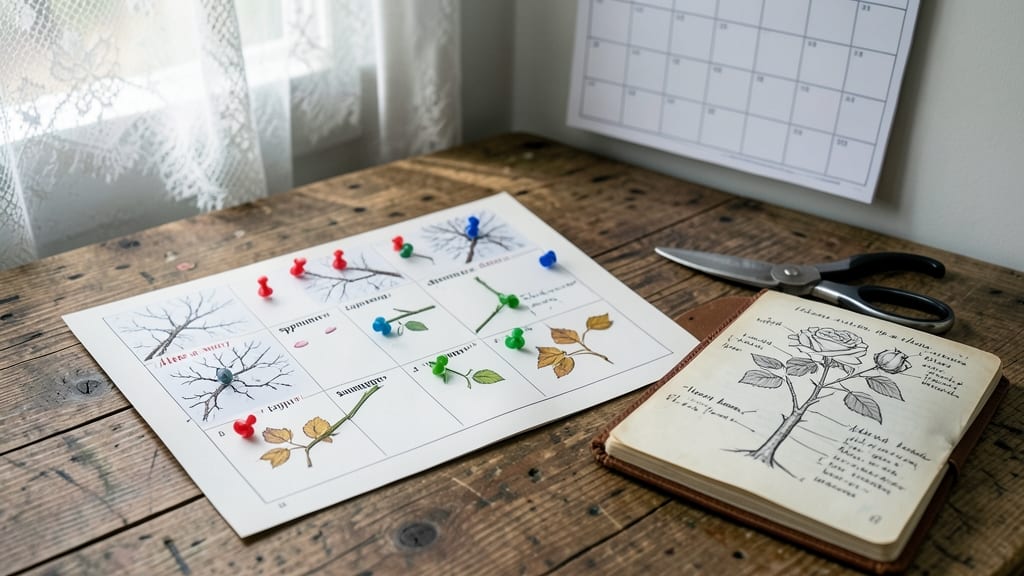
Tired of remembering when to prune your roses? A year-round maintenance calendar syncs every cut with your rose's natural growth cycle, ensuring you never miss a critical step. This schedule transforms pruning from a seasonal chore into a year-long strategy for nonstop blooms.
Start in late winter (when forsythia blooms) with your first major prune, then follow up with light summer trims to improve airflow and prevent disease. Deadhead faded blooms weekly to encourage continuous flowering, and do a final cleanup in early winter to remove dead wood. Each task takes just 15-30 minutes, making it perfect for busy gardeners.
This system guarantees healthier plants, more blooms, and less stress—whether you're a first-time rose grower or a seasoned enthusiast. Your roses will reward you with vibrant flowers all season long. 🌻