
Pruning
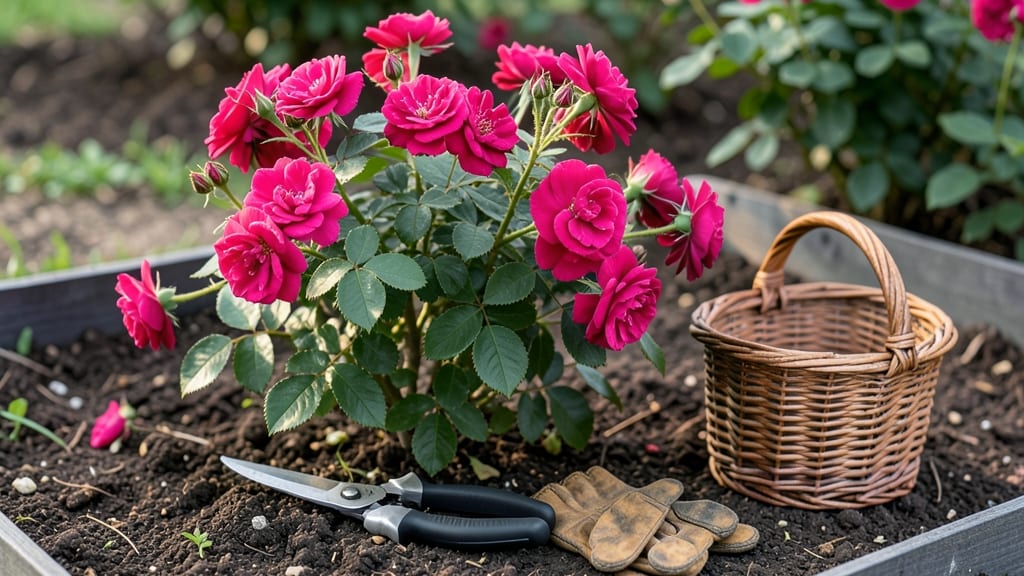
Spring is the perfect time to prune Knock Out roses—when your bushes wake up from winter dormancy, and the first cut determines the whole season. ✂️ I’ve pruned these tough bushes for years, and I’ve learned that timing and technique are everything.
Too early, and you risk frost damage; too late, and you miss the prime window for vigorous new growth. The right approach turns leggy bushes into blooming powerhouses by summer.
You’ll need just three tools: sharp bypass pruners, rubbing alcohol (to sterilize cuts), and garden gloves (for grip and protection). The key is cutting back one-third of last year’s growth—no more, no less—to encourage dense, bushy new stems.
This isn’t about shaping; it’s about stimulating energy into flowers, not just leaves. Most gardeners overthink it, but the process is simpler than it looks.
By mid-May, you’ll see new red shoots pushing through the old wood, and within 6-8 weeks, those stems will burst with blooms that last until frost. The plants stay compact, resist black spot better, and produce more flowers per stem than unpruned bushes.
It’s the difference between a few sad blooms and a cloud of pink, red, or yellow that keeps coming all summer.
Works for all Knock Out varieties—‘Radrazz,’ ‘Double Knock Out,’ or the original—and adapts to containers or in-ground plantings. Here’s how to do it right without stressing the plant (or yourself).
📚 In This Guide
- What you need
- Instructions
- Tips and common mistakes
- Wrapping up and next steps
What you need
- ● Pruning shears: Bypass pruners (sharp, 5-7" blades) – 1 pair (for clean cuts). ⚠️ Avoid anvil pruners—they crush stems!
- ● Loppers: Bypass-style, 18-24" (for thicker branches) – 1 pair.
- ○ Hand saw: Pruning saw (for stubborn, woody stems) – 1 (optional but handy for mature roses).
- ● Disinfectant: Rubbing alcohol (70%+) or bleach solution (1 part bleach : 9 parts water) – small bottle (to sterilize tools between cuts).
- ● Garden gloves: Cut-resistant, breathable – 1 pair (protects from thorns and sap).
- ○ Marking twine or flags: Colored twine or plant tags – small roll (optional, for tagging branches to remove).
- ○ Pruning sealant: Tree wound paint (controversial but optional for large cuts > ½").
- ● Knee pad or stool: For comfort if roses are tall.
- ● Trash bags: For collecting pruned debris (line a bucket for easy disposal).
- ● Sharpener: Pruner sharpening stone (to maintain blade precision).
- ● Safety goggles: If roses are densely thorned (extra protection!).
Instructions for pruning Knock Out roses in spring
Here's my battle-tested method to revive your roses and guarantee a season of vibrant, continuous blooms.
✂️ Step 1: Remove Dead and Diseased Wood First
Start by inspecting each stem carefully, looking for branches that are completely brown, mushy, or showing blackened cankers. These are dead or diseased and must be cut out immediately to prevent the problem from spreading. I always grab my pruners and make a clean cut about ¼ inch above a healthy bud that faces outward from the center of the plant.
Don't worry if you remove a few more branches than you think necessary—Knock Out roses are incredibly resilient. The goal here is to eliminate anything that looks like it's already struggling. You'll know you're doing it right when you're left with mostly green, flexible stems that snap rather than bend when you test them.
✂️ Step 2: Cut Back Last Year's Growth to the Right Height
Now focus on last year's growth. These roses bloom on new wood, so you can be aggressive with your cuts. Aim to reduce each stem to about 18-24 inches tall, cutting just above an outward-facing bud. This encourages a strong, bushy shape and prevents the plant from growing too leggy.
I like to make my cuts at a slight angle, about ¼ inch above the bud, to prevent water from pooling on the cut surface. Step back occasionally to check your progress—you want to see an open center with good airflow, not a dense, crowded bush. This is where those nonstop blooms will come from.
✂️ Step 3: Shape and Thin for Optimal Airflow
Now it's time to shape the plant. Look for stems that are crossing or rubbing against each other—these create wounds that invite disease. Remove about ⅓ of the oldest stems completely, cutting all the way back to the base. This rejuvenates the plant and encourages new, vigorous growth from the roots.
Thin out the center of the plant by removing any weak, spindly growth that's growing inward. You want sunlight to penetrate to the center where new buds will form. After shaping, step back and admire your work—your roses should now have an open, vase-like shape with plenty of room for air to circulate.
💧 Step 4: Clean Up and Apply Post-Pruning Care
Once you're satisfied with the shape, clean up your workspace by removing all pruned branches and debris from the area. I always sterilize my pruners with rubbing alcohol between cuts to prevent spreading disease. Now's also the time to apply a balanced rose fertilizer (like 10-10-10) around the base of the plant, following package instructions.
Water deeply right after pruning to help the plant recover. You'll see new growth emerging from the buds within 2-3 weeks, and by mid-summer, your roses should be covered in blooms. This is the moment that matters—the careful pruning you've just done sets the stage for the spectacular display to come.
Tips & tricks for perfect spring rose pruning
These insider tips will help you transform your roses into blooming powerhouses—without the guesswork.
Bud Selection Matters: When making your cuts in Step 2, focus on buds that face outward from the center of the plant. These buds will grow into stems that create that signature Knock Out rose bushiness. I learned this the hard way after pruning too aggressively inward—my roses ended up looking like a tangled mess instead of the open, airy shape we want. Always visualize how each cut will contribute to the overall shape.
Pruning Timing Secret: The best time to prune is when your roses are just starting to show signs of new growth in early spring, typically when forsythia bushes begin blooming. This timing ensures you're cutting back just as the plant is waking up from dormancy. If you prune too early, you risk cutting off buds that haven't formed yet. If you wait too long, you might be removing potential blooms. Aim for that sweet spot between late winter and early spring when the ground is thawed but before new growth appears.
Tool Maintenance: Your pruners are just as important as your technique. Before you start, sharpen your pruning shears and clean them thoroughly with rubbing alcohol. Dull blades tear stems instead of making clean cuts, which can damage the plant and invite disease. I keep a small bottle of rubbing alcohol in my gardening toolkit specifically for this purpose. After each cut, I wipe down the blades to prevent spreading any potential pathogens from diseased branches to healthy ones.
Post-Pruning Care: After you've finished pruning, don't just walk away! The 2-3 week recovery period mentioned in Step 4 is crucial. During this time, monitor your roses closely for any signs of stress. If you notice leaves wilting or yellowing, give the plant a deep watering and consider applying a light layer of mulch around the base to retain moisture. This is also the perfect time to check for any remaining diseased wood you might have missed—better to be thorough now than deal with problems later in the season.
Pro Tips for Prune Knock Out Roses In Spring
- These insider tips will help you transform your roses into blooming powerhouses—without the guesswork.
- Bud Selection Matters: When making your cuts in Step 2, focus on buds that face outward from the center of the plant....
- Pruning Timing Secret: The best time to prune is when your roses are just starting to show signs of new growth in ear...
Frequently asked questions
Got questions about pruning your Knock Out roses this spring?
You’re not alone! Here are the most common concerns—and straightforward answers to keep your roses thriving all season long.
When is the exact best time to prune Knock Out roses in spring?
Prune your Knock Out roses in late winter to early spring (February–March in most zones), once the danger of hard frosts has passed. Look for swollen buds on the stems—this signals new growth is about to start. Avoid pruning too early; cold snaps can stress fresh cuts.
Can I prune Knock Out roses too much? What if I cut too far?
Knock Out roses are hardy and bounce back from aggressive pruning, but avoid cutting into old wood (gray/brown stems) or you’ll sacrifice next year’s blooms. Aim to remove 1/3 of the plant’s height max. If you over-prune, your rose may look sparse—but it’ll recover with proper care (fertilizer + water!).
What if my Knock Out rose has dead or diseased branches after pruning?
First, sterilize your pruners with rubbing alcohol to prevent spreading disease. Cut out any black, mushy, or hollow stems at a 45° angle, ½ inch above a healthy bud. Dispose of diseased branches immediately (don’t compost them!). Apply a fungicide if you spot signs like black spots or powdery mildew.
Do I need to prune Knock Out roses every year, or just when they look messy?
Yes! Prune annually in spring to encourage dense growth and nonstop blooms. Even if your rose looks fine, light pruning (removing crossing branches or weak stems) keeps it healthy. Skip pruning in fall—it signals the plant to stop growing for winter.
What if I live in a warm climate (Zone 9–11)? Does the timing change?
In warmer zones, prune earlier (January–February) to avoid summer heat stress. Knock Out roses bloom year-round in these areas, so focus on shaping rather than heavy pruning. Water deeply after pruning to help the plant recover faster in hotter climates.
Pro Tip: Label your cuts!
Use a permanent marker to jot notes on your pruners (e.g., “Cut here for shape”) if you’re unsure where to trim. A quick photo of your rose’s structure before pruning can also help—just snap it from all angles!
Wrapping up and next steps
Pruning your Knock Out® roses in spring is your secret weapon for vibrant, long-lasting blooms all season!
By following these 3 simple steps—timing, technique, and aftercare—you’ll set your roses up for a show-stopping summer display. 🌸 With sharp tools, confident cuts, and a little TLC, you’re not just pruning; you’re inviting a garden full of color and life.
Ready to transform your yard? Grab your pruners, mark your calendar, and get out there—your roses (and future neighbors admiring them!) will thank you. Happy pruning! 🌿