
Pruning
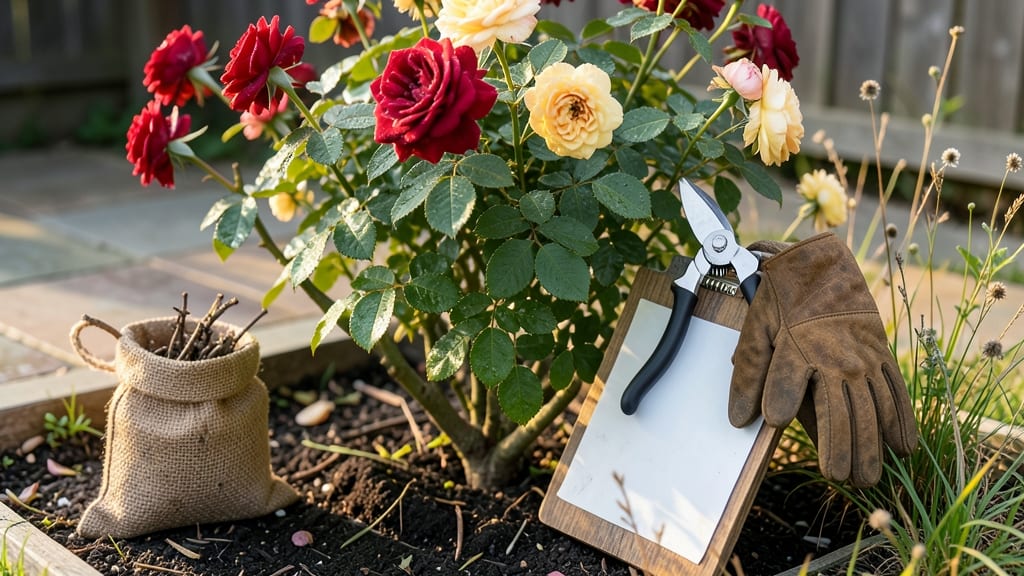
Pruning roses in Washington State at the right time ensures healthier blooms and stronger plants, but getting it wrong can invite disease or stunt growth.
Picture this: you’ve spent months nurturing your 🌹 roses, only to prune them too late—just as the buds begin to swell. The result? Fewer blooms and a season of disappointment.
The key is timing it right, whether you’re in the Puget Sound or the Columbia Basin, where frost risks and rainy seasons change everything.
Most gardeners in Washington State prune their roses in late winter or early spring, just as the last frost passes, but repeat-flowering varieties need a second trim after the first bloom.
I’ll break down the exact windows for your USDA zone, plus how to avoid common mistakes that leave roses weak and vulnerable to WA’s damp climate.
By the end, you’ll know when to prune, what tools to use, and how to keep your roses thriving—so you can enjoy lush, vibrant blooms all season long.
Best pruning times for Washington State roses by USDA Zone (exact months)
Washington State’s diverse climate—from USDA Zone 6b in Eastern WA to Zone 8a-9a in Western WA—means rose pruning timing varies dramatically. Pruning too early risks frost damage, while waiting too late stunts spring growth.
The key is aligning your cuts with last frost dates and rose bloom cycles, especially for hybrid teas and floribundas that thrive in WA’s mild summers.
In Zone 6b (Eastern WA), where frosts linger until mid-May, prune hybrid teas and climbing roses in late February to early March—before buds swell but after the worst winter cold.
For Zone 8a-9a (Western WA), with April 15 last frost dates, shift pruning to March 15–April 15 to avoid spring rains that promote fungal diseases like black spot.
Repeat-blooming roses (like floribundas) also need a light post-bloom trim in June–July to encourage second flushes, but avoid heavy cuts after August 15—new growth won’t harden off before winter. Rain delays? Wait until soil temps hit 50°F+ to prune, even if it’s late April.
| USDA Zone | Rose Type | Prune Window | Key Notes |
|---|---|---|---|
| 6b (Eastern WA) | Hybrid Teas | Late Feb–Early March | Wait for 50°F+ soil; avoid May frosts. |
| 6b (Eastern WA) | Climbing Roses | Early March | Prune after last frost (May 15); shape for summer blooms. |
| 7a-8a (Central WA) | Floribundas | March 15–April 15 | Light trim in June–July for repeat blooms. |
| 8a-9a (Western WA) | Grandifloras | March 15–April 15 | Avoid fall pruning—WA’s wet winters invite disease. |
| All Zones | Post-Bloom Trim | June–July | Deadhead spent blooms; cut 1/3 of stem to encourage new growth. |
For Zone 7a-8a (Central WA), where April showers are legendary, prune floribundas in March 15–April 15 and monitor weather. If rain delays pruning past April 30, switch to a light trim—focus on removing dead wood and crossing branches to improve airflow and reduce fungal risks.
Climbing roses in Western WA (Zone 8a-9a) benefit from a two-step approach: prune late February–March to shape canes, then do a light summer trim after the first flush of blooms.
This mimics WA’s mild winters and long growing season, ensuring blooms from June through October. Skip heavy cuts after August 15—new growth won’t survive WA’s September–October frosts.
Organic gardeners in Eastern WA (Zone 6b) often use copper fungicide sprays post-pruning to prevent black spot, while conventional growers rely on sterilized tools and pruning sealant.
Both methods work, but timing is critical: prune when soil temps hit 50°F+, even if it means waiting until late April in cooler zones.
Pro tip: Mark your calendar for March 15 and June 15—these are your two pruning deadlines in WA. Use a sharp bypass pruner and sterilize blades with rubbing alcohol to prevent spreading rose rosette disease, which thrives in WA’s damp conditions.
Always cut at a 45-degree angle, 1/4" above an outward-facing bud.
If you missed the spring window, don’t panic—fall pruning is an option for Zone 8a-9a only. Prune September 15–October 1 to remove weak growth before winter, but avoid heavy cuts. In Zone 6b, however, fall pruning risks frost damage, so stick to spring.
For rainy Western WA, extend pruning into May if needed, but prioritize airflow—thin out crowded canes to reduce humidity near the plant. Mulch with wood chips after pr
How to prune roses in Washington’s rainy climate: tools and techniques
Washington State’s wet climate and cool temperatures demand special attention when pruning roses. Fungal diseases like black spot thrive in damp conditions, so clean cuts and sterilized tools are non-negotiable. The right approach ensures healthier blooms and stronger canes for years to come.
First, focus on three critical steps: sterilizing your tools, making precise cuts, and avoiding over-pruning. Washington’s USDA Zones 6b-9a mean timing varies slightly—Western WA’s milder winters allow earlier pruning, while Eastern WA’s colder zones require patience until frost risk passes.
- Bypass Pruners
- Loppers (for thicker canes)
- Pruning Saw (for old wood)
- Rubbing Alcohol (70%+)
- Pruning Sealant (optional)
Always sterilize tools between cuts using rubbing alcohol to prevent disease spread. In Washington’s damp soil, aim for 45-degree angles just above outward-facing buds. This encourages strong growth away from the center, improving airflow—a must in rainy climates.
For repeat-blooming roses, deadhead spent blooms throughout summer to redirect energy. In Western WA’s Zone 8-9a, you can prune lightly in September to encourage fall blooms, but avoid heavy cuts—wait until March for major shaping. Eastern WA’s Zone 6-7 gardens should delay until April to avoid frost damage.
After pruning, apply a copper fungicide or neem oil to protect cuts. Washington’s high humidity makes fungal diseases a constant threat, so never leave pruned canes on the ground. Mulch with 3-4 inches of compost to retain moisture while keeping roots cool.
Remember: Less is more in Washington’s climate. Over-pruning stresses roses, making them vulnerable to powdery mildew and rose rosette virus. Limit cuts to 1/3 of the plant’s height annually, and always prune on dry days to minimize soil splash onto fresh wounds.