
Pruning
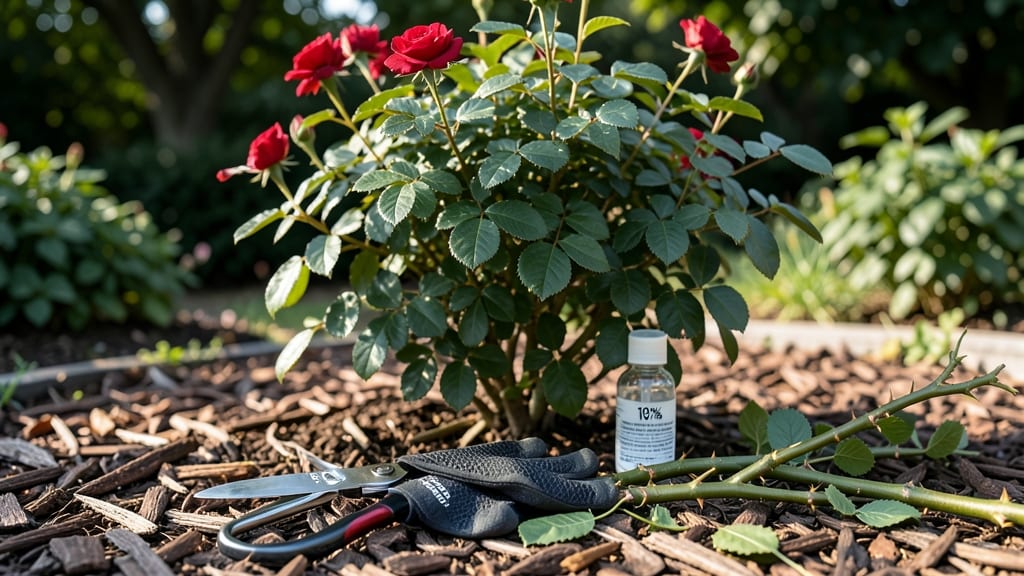
Pruning your Knockout rose bush in fall is the secret to nonstop blooms next summer—if you do it right. 🌹 I’ve seen roses go from leggy and sparse to bursting with flowers by following these three simple steps, and the best time to act is now, before the first hard frost.
The key is cutting back just enough to encourage fresh growth while protecting the plant from winter’s chill.
Most gardeners mess this up by pruning too late or too aggressively. You’ll need basic tools—a sharp pair of bypass pruners, sanitizer, and gloves—and a clear goal: shape the bush while removing dead or crossing branches.
Unlike spring pruning, fall cuts focus on cleaning up rather than shaping for the season ahead. Think of it as giving your rose a fresh start for spring’s big show.
After pruning, your bush will look bare, but that’s normal. New growth will emerge in spring, packed with buds. The result? A healthier, bushier plant that blooms from early summer until frost. Just avoid heavy pruning if your roses are already struggling—this is about revival, not drastic transformation.
Works in zones 5-9, though timing shifts slightly north vs. south. Here’s how to adapt for your climate while keeping those blooms coming. Let’s get those shears ready!
📚 In This Guide
- What you need
- Instructions
- Tips and common mistakes
- Wrapping up and next steps
What you need
- ● Pruning shears or loppers – Choose bypass pruners (sharp, clean blades) for clean cuts. Loppers (18-24" handles) are ideal for thicker stems.
- ● Disinfectant (70% isopropyl alcohol or bleach solution) – 1 part bleach to 9 parts water (sterilizes tools between cuts to prevent disease).
- ● Gloves (heavy-duty gardening gloves) – Protects hands from thorns and debris (opt for nitrile-coated for extra grip).
- ○ Pruning sealant (optional but recommended) – A tree wound dressing (like Tanglefoot) to seal larger cuts and prevent pests.
- ● Trash bags or compost bin – For removing pruned branches (avoid composting diseased wood).
- ● Measuring tape or ruler – Helps identify 1/3 of the plant’s height for proper pruning depth.
- ● Sharpie or permanent marker – To label branches if you’re unsure which to trim (great for beginners!).
- ● Hand saw (pruning saw) – For stubborn, thick stems (4-6" blades work best).
- ● Knee pads or stool – Saves your back if your roses are tall or dense!
- ● Rake or leaf blower – Clears debris post-pruning for a tidy workspace.
- ● Plant food (balanced fertilizer, 10-10-10) – A light application after pruning boosts spring growth.
- ● Camera or phone – Snap before/after pics to track progress!
Instructions for fall pruning Knockout rose bushes
Here's how I transform my Knockout roses every autumn—keeping them lush and blooming like clockwork.
✂️ Step 1: Clean Up Dead and Diseased Growth
Start by removing any blackened, mushy, or yellowed stems with sharp pruners—these are your rose's winter weak spots. I cut back to the nearest outward-facing bud or healthy green growth, making cuts at a 45-degree angle about ¼ inch above the bud. This prevents water from pooling and causing rot.
Look for stems with holes, cankers, or strange growths—these are disease entry points. Toss them in the trash (not compost) to stop fungal spores from overwintering. You'll know you're done when all remaining stems look sturdy and green. Real talk: this step is brutal, but it's the foundation for next year's blooms.
✂️ Step 2: Thin Out Crowded Canes
Knockout roses grow bushy fast, and crowded canes compete for sunlight and nutrients. Remove one-third of the oldest, thickest canes at the base using clean pruners. I always target canes that cross others—they create wounds where pests love to hide. Your goal is to leave an open center that lets air circulate freely.
Don't worry about leaving some bare stems—Knockouts are tough. Focus on creating a vase-like shape with the remaining canes. You'll see new, vigorous growth emerging from the base in spring. Here's the thing—if you skip this, your bush will look like a tangled mess next summer.
✂️ Step 3: Lightly Shape for Next Season's Blooms
Give your rose a final shape by trimming back the remaining canes by one-third to encourage bushier growth. Cut just above a strong outward-facing bud, always making that 45-degree angle. Avoid cutting into old wood—you'll know it's old if it's thick and woody, not flexible.
Step back and admire your work. The bush should look balanced, with no canes sticking out awkwardly. Knockouts bloom on new wood, so this light pruning sets them up for nonstop summer flowers. Water deeply after pruning to help the plant recover—you'll see fresh green leaves pushing out within weeks.
🌱 Step 4: Clean Up and Protect for Winter
Rake up all fallen leaves and debris within 3 feet of the bush—this prevents fungal diseases like black spot from overwintering. I spread a 2-inch layer of mulch around the base (but not touching the stems) to insulate roots. Add a handful of balanced fertilizer (10-10-10) to replenish nutrients lost during blooming.
If your winters are harsh, wrap the bush with burlap or a rose cone after the first hard frost to protect against freeze-thaw cycles. Unwrap it in early spring once new growth starts. You've just given your Knockout roses the best possible start for another spectacular summer.
Tips & tricks for perfect fall pruning of Knockout roses
These simple strategies will help you transform your roses into next year's blooming superstars with minimal effort.
Pruning Angle Matters: That 45-degree angle in Step 1 isn't just for looks—it creates a natural water runoff path that prevents rot. Imagine a tiny roof over each bud. I like to visualize the angle as "one-third of the way up the stem" to get it just right. If you're unsure, practice on a few stems first.
Cane Selection Strategy: When removing one-third of the oldest canes in Step 2, focus on those growing inward or crossing others. These are the ones creating that tangled mess you want to avoid. Pro tip: Hold your pruners parallel to the ground when cutting at the base—this gives you a clean cut and prevents jagged edges that can invite pests.
Bud Direction Insight: In Step 3, always cut just above an outward-facing bud. This might seem counterintuitive, but those buds facing outward will grow away from the center, creating that open, airy shape. Think of it like training vines on a trellis—you want growth directed outward for maximum sunlight exposure.
Pro Tips for Fall Pruning Knockout Rose Bush
- These simple strategies will help you transform your roses into next year's blooming superstars with minimal effort.
- Pruning Angle Matters: That 45-degree angle in Step 1 isn't just for looks—it creates a natural water runoff path that prevents rot.
- Cane Selection Strategy: When removing one-third of the oldest canes in Step 2, focus on those growing inward or crossing others.
Frequently asked questions
about fall pruning Knockout® rose bushes—because even pros need a little clarity! Here are answers to the questions that pop up most often.When is the exact best time to prune Knockout roses in fall?
Prune after the first hard frost (when leaves turn brown) but before winter dormancy sets in—typically late October to early November in most U.S. zones. This timing balances disease prevention and winter prep. Pro tip: Avoid pruning if frost is forecasted within 48 hours.
Will fall pruning hurt my roses if winter comes early?
Not if you time it right! Prune after the first frost to reduce disease risk, but leave at least 4–6 weeks before the ground freezes. If winter arrives unexpectedly, wait until early spring instead. Key rule: Never prune when temps are below 40°F or rising above 50°F.
Can I use the same pruners I used in summer?
Yes, but sterilize them first! Clean blades with rubbing alcohol or a 10% bleach solution to prevent spreading fungal diseases (like black spot) from summer pruning. Bonus: Sharpen dull blades—smooth cuts heal faster and look pro!
What if my Knockout roses bloom less next year after fall pruning?
Don’t panic! Fall pruning boosts next year’s blooms by removing weak growth and encouraging strong new stems. If blooms dip, check for:
- Over-pruning (leave 3–4 healthy canes per bush).
- Poor soil (amend with compost in spring).
- Pests/disease (inspect canes for holes or spots).
Are there regions where fall pruning isn’t recommended?
In Zone 7 and warmer, prune lightly in late fall (Dec–Jan) to avoid winter dieback. For Zones 8–10, prune in early spring instead—Knockouts bloom year-round there! Always adapt to your microclimate (e.g., coastal areas may need delayed pruning).
What’s the fastest way to tell if I’ve pruned too much?
Look for bare stems or canes shorter than 12 inches. Ideal pruning leaves 3–4 sturdy, outward-facing canes per bush. If you’ve cut back to the ground, you’ve overdone it—wait until spring to trim lightly. Remember: Knockout roses are resilient but thrive with balance!
Wrapping up and next steps
Fall pruning your Knockout rose bush isn’t just maintenance—it’s a game-changer for next year’s vibrant blooms! 🌸 By removing deadwood, shaping strategically, and fertilizing, you’re setting the stage for a nonstop summer show with minimal effort.
Think of it as giving your roses a fresh start while they rest—so you can enjoy even more low-maintenance beauty with less work in warmer months.
Ready to transform your garden? Grab your tools, follow the steps, and watch your Knockout roses thrive like never before. Your future self (and your neighbors!) will thank you. 🌿✨