
Pruning
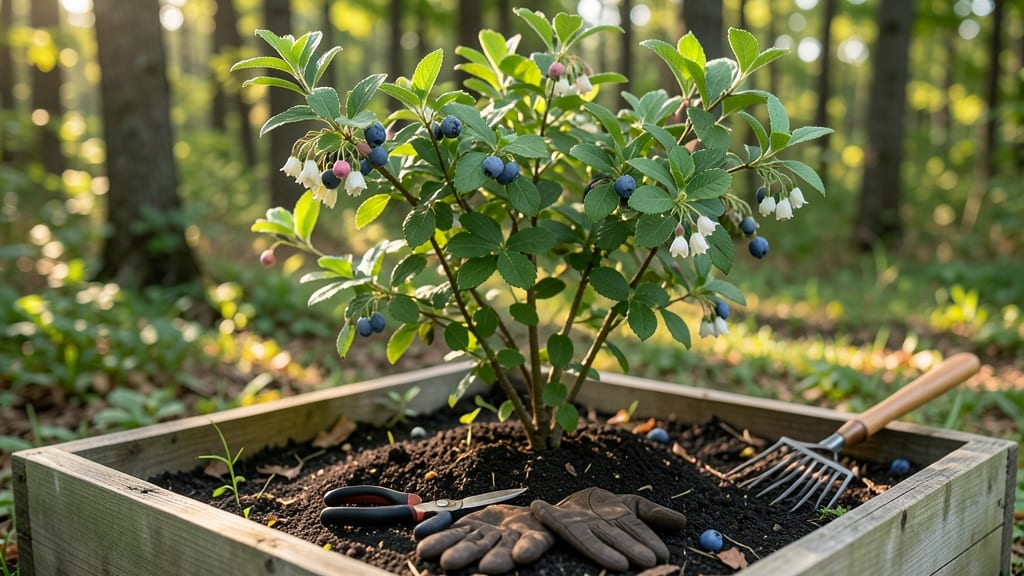
Pruning blueberry bushes in North Carolina during their dormant season—late winter to early spring—is the key to unlocking bigger harvests and healthier plants.
Picture this: You’ve spent months nurturing your 🫐 blueberry bushes, only to see last year’s pruning efforts backfire with fewer berries than expected. That’s because timing matters more than technique.
Prune too early, and you risk damage from late frosts; too late, and you stunt new growth before the season kicks off.
North Carolina’s 6a-8a climate zones mean your bushes have specific windows—typically between February and March—when they’re most resilient to pruning. Get it wrong, and you could slash your yield by half.
But get it right, and you’ll encourage stronger canes, better airflow, and fruit clusters that practically beg to be picked.
Below, I’ll walk you through the exact dormant-season timing for your region, plus the step-by-step method to prune like a pro—so you can turn this year’s bushes into your most productive harvest yet.
Best dormant season pruning windows for North Carolina blueberries
Timing your blueberry bush pruning in North Carolina is critical—prune too early, and you risk frost damage to new growth buds. Prune too late, and you'll miss the optimal dormant season window that maximizes next year's fruit set.
The key lies in understanding your USDA hardiness zone (6a-8a) and avoiding late frosts that can devastate your harvest.
North Carolina's climate zones create distinct pruning windows. In Zone 6a (western mountains), prune between mid-February and early March when temperatures consistently stay above 30°F at night. Meanwhile, Zone 8a (coastal areas) can start as early as late January due to milder winters.
Your goal is to prune when buds are still dormant but before active growth resumes. This typically occurs when daytime temperatures reach 50°F consistently—a clear signal that your bushes are waking up from winter dormancy.
Waiting too long risks delayed fruit production or even bud death from unexpected late frosts.
Here's the critical pruning window comparison for North Carolina's main zones, including when to avoid pruning due to frost risks:
For Southern highbush varieties (like 'Southern Blue' or 'Premier'), aim to finish pruning by early March in most of NC. These varieties are more frost-sensitive during bloom. Rabbiteye varieties (like 'Climax' or 'Powderblue') can handle slightly later pruning—up to mid-March—as they tend to bloom later.
Watch for bud swell as your signal to act. When you see tiny buds beginning to plump up (but before any green tips appear), it's time to grab your pruners. This typically occurs 2-3 weeks before last frost dates in your zone.
Pro tip: If you see green tips on your canes, you've waited too long—prune immediately but expect reduced fruit set.
After pruning, apply a 2-3 inch layer of mulch around your bushes to protect roots from temperature fluctuations. Use pine straw or wood chips—both help maintain soil acidity while insulating roots. This is especially important in Zone 6a where winter temps can drop below 20°F.
Remember: Blueberries flower on last year's wood. When you prune in dormant season, you're not just cleaning up—you're shaping next year's harvest.
Remove dead, diseased, or crossing canes first, then thin out older canes (those over 5 years old) to open the center for better airflow and sunlight penetration.
For maximum fruit production, aim to leave 6-8 strong canes per bush after pruning. This balance ensures your bush has enough energy to produce high-quality berries while maintaining structural integrity.
In Zone 8a, where winters are mild, you might see earlier bud break—so monitor your bushes closely and prune as soon as you spot that first sign of green.
How to prune blueberry bushes for maximum fruit production
Pruning your blueberry bushes correctly is the secret to bigger harvests and healthier plants. The key lies in understanding which canes produce fruit and when to remove the rest.
In North Carolina, this process should happen during the dormant season—typically between late February and early March—before buds begin to swell. This timing ensures you don’t accidentally cut off next year’s fruit-bearing wood.
Blueberries follow a three-year rule: canes produce fruit in their third year, then bear heavily for 2-3 more years before declining. The oldest, unproductive canes should be removed to make room for new growth.
This method keeps your bush productive and compact, making it easier to harvest those sweet 🫐 berries. Let’s break it down step by step to get your bushes ready for their best yield yet.
Step-by-Step Pruning Guide
- 1 Remove dead or diseased wood: Start by cutting out any blackened, shriveled, or moldy canes at the base. These won’t produce fruit and can spread disease to healthy growth.
- 2 Identify and keep 1-year-old canes: These are thin, green, and flexible canes that will produce fruit in 2-3 years. Leave them untouched—they’re your future harvest!
- 3 Thin out crowded canes: Remove 20-30% of the oldest canes (those thicker than a pencil) to improve airflow and sunlight penetration. Aim to leave 5-7 healthy canes per bush.
- 4 Shape the bush for accessibility: Trim back any overlapping branches or those growing inward. This makes harvesting easier and reduces fungal diseases caused by poor airflow.
- 5 Clean up the area: Rake and dispose of all pruned debris to prevent pests and diseases from overwintering in your garden.
After pruning, your blueberry bushes will focus their energy on producing new, vigorous canes for next year’s crop. In North Carolina’s climate, this means your bushes will be ready to fruit heavily by late spring or early summer.
Just remember: never prune after buds swell—this can remove next year’s fruit clusters and leave your bush vulnerable to pests.
For Southern Highbush varieties common in NC, aim to prune in late February in cooler zones (like the Mountains) or early March in warmer areas (like the Coastal Plain). This timing aligns with the dormant season and avoids late frosts that can damage new growth.
With this method, you’ll see a 20-30% increase in fruit production within just one season! ✂️🌱
Pro tip: Mark your calendar now! Pruning blueberry bushes in North Carolina should always be done before bud break. If you miss this window, wait until late summer after harvest to do light maintenance pruning—but avoid heavy cuts, as they stress the plant before winter.
Happy pruning, and here’s to a bountiful blueberry harvest! 🫐☀️