
Pruning
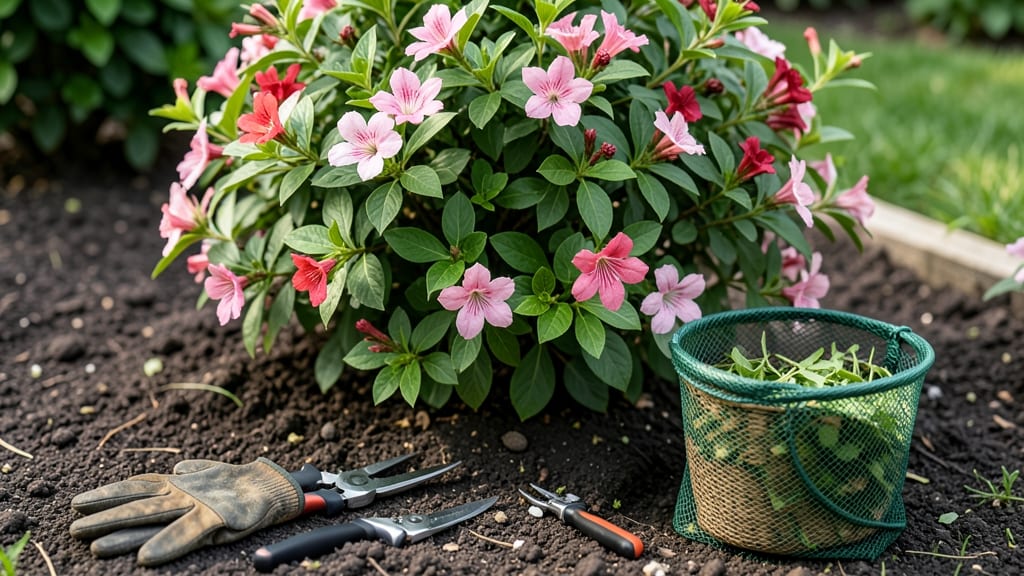
Pruning your weigela bush in late winter reveals its true potential—thicker canes, more blooms, and a shape that turns heads. ✂️ I’ve pruned mine every year since planting, and the difference between a leggy mess and a bush bursting with pink flowers comes down to timing, technique, and a few sharp cuts.
The key is working while the plant’s dormant, between late February and early March in most zones, before new growth starts. Grab your loppers, gloves, and a bucket for clippings—this isn’t just cleanup, it’s a reset that sets your weigela up for vibrant blooms all summer.
You’ll focus on three things: removing dead wood, thinning crowded stems, and shaping the bush to let light reach the center. By the time spring arrives, you’ll see fresh green shoots pushing from the base, and those blooms will come thicker than ever. The secret?
Cutting back one-third of the oldest canes each year keeps the plant youthful and productive. Avoid the temptation to prune in fall—you’ll risk encouraging tender new growth that won’t survive frost.
This method works for both young plants and mature bushes, though older specimens may need a more aggressive rejuvenation prune every few years. Stick with it, and your weigela will reward you with showstopping blooms and a sturdy structure that lasts for decades.
📚 In This Guide
- What you need
- Instructions
- Tips and common mistakes
- Wrapping up and next steps
What you need
- ● Pruning shears – Bypass pruners (sharp, 5-7 inch blades) for clean cuts on small to medium stems. (1 pair)
- ● Loppers – Bypass or anvil type (8-10 inch blades) for thicker branches (½ inch or larger). (1 pair)
- ○ Hand pruners – Anvil-style for quick trims of small, woody stems. (1 pair, optional backup)
- ● Rubbing alcohol (70% isopropyl) – For sterilizing tools between cuts to prevent disease spread. (Small bottle)
- ○ Pruning sealant – Optional for sealing larger cuts (½ inch or more) to prevent pests/infections. (Small tube)
- ● Garden gloves – Cut-resistant, breathable to protect hands from thorns and sap. (1 pair)
- ● Disposable pruning bags – For collecting and disposing of trimmings. (1-2 bags)
- ○ Measuring tape or ruler – To ensure cuts are made at the correct 1/4-inch above a bud. (Optional but helpful)
- ● Dormant season timing – Prune late winter to early spring (before buds swell) for best results.
- ● Weather check – Choose a dry, calm day (no rain forecast for 24 hours) to avoid spreading disease.
- ● Safety gear – Sunglasses (to shield from debris) and sturdy shoes (for uneven terrain).
- ● Plant health assessment – Inspect the bush for dead, diseased, or crossing branches before starting.
Step-by-Step weigela bush pruning for healthier growth
Pruning weigela in late winter or early spring sets the stage for a bushier, more vibrant plant. Here's how to do it right without stressing your shrub.
✂️ Step 1: Gather the Right Tools
Start with clean, sharp pruning shears—dull blades tear stems and invite disease. I always disinfect my tools with rubbing alcohol before and after pruning to prevent spreading any fungal spores lurking from last season. For thicker stems over ½ inch in diameter, grab your pruning saw. Wear gloves too; weigela branches have thorns that pack a punch.
You'll also want a bucket or bag to collect your clippings. I use a small trash bag tied to a branch so I don't drop debris on the ground. This keeps your workspace tidy and makes cleanup easier. Work on a dry day—wet branches are slippery and harder to see where you're cutting.
✂️ Step 2: Identify and Remove Dead or Diseased Wood
Scan your weigela for branches that look brown, mushy, or hollow—these are dead or diseased and need immediate removal. Cut these back to healthy green wood, making your cut at a 45-degree angle just above a leaf node or outward-facing bud. You'll notice healthy wood has a firm texture and vibrant green color even in winter.
Real talk: Don't skip this step. Dead wood spreads disease to healthy branches, and those brown stems won't bloom anyway. If you're unsure whether a branch is dead, scratch the bark with your fingernail—if it's green underneath, it's still alive and can recover.
✂️ Step 3: Thin Out Overcrowded Branches
Look for branches that cross each other or grow inward toward the center of the bush. These compete for sunlight and air circulation, leading to weak growth and poor blooms. Remove 1 in 3 branches that are rubbing against each other or growing in the wrong direction. Always cut back to a strong outward-facing bud or side branch.
Here's the thing—you want sunlight to reach the center of the plant. If you leave too many branches, the interior stays shaded and stops producing flowers. Aim for an open, vase-like shape that lets light penetrate. You'll see new growth filling in those gaps by late spring.
☀️ Step 4: Shape and Encourage New Growth
Now it's time to shape your weigela. Step back and visualize an open, rounded form—this encourages air flow and better blooming. Cut back last year's flower stems (they look woody) to just above a set of leaves or buds. For older stems, you can shorten them by ⅓ of their length to stimulate fresh, vigorous growth.
Watch for "water sprouts"—those skinny, vertical shoots growing straight up from the base. These steal energy from your main branches. Snip them off at the base. You'll know you're doing it right when you see multiple buds along the remaining branches—they'll burst into new growth come spring.
⏰ Step 5: Clean Up and Monitor
After pruning, rake up and dispose of all clippings—don't leave them on the ground where they can harbor pests. I like to mulch around the base with 2-3 inches of shredded bark mulch to protect new growth and retain moisture. Water deeply once you're done to help the plant recover.
Keep an eye on your weigela over the next few weeks. If you see any leaves yellowing or wilting, it might be stressed from aggressive pruning. A light feeding with 10-10-10 fertilizer can give it a boost. With proper care, your pruned weigela will reward you with even more vibrant blooms next season.
Tips & tricks for weigela bush pruning
A few key insights will help you prune your weigela like a pro—without accidentally stressing your plant. Here's what I've learned after years of trial and error.
Tool Prep is Non-Negotiable: Before you even touch a branch, disinfect your pruning tools with rubbing alcohol. I've seen fungal infections spread from one plant to another through contaminated shears—it's a silent killer for weigela. Also, make sure your blades are sharp; dull tools crush stems instead of making clean cuts, which invites disease. For those thicker stems over ½ inch, your pruning saw becomes essential—don't try to force the shears.
The 45-Degree Cut Secret: When removing branches in Step 2, that 45-degree angle isn't just for show. It helps water run off the cut, preventing rot from collecting at the wound. Always cut just above a leaf node or outward-facing bud—this is where new growth will emerge. Pro tip: If you're unsure whether a branch is dead, do the fingernail test. Scratch the bark—if it's green underneath, it's still alive and can recover with proper care.
Thinning Strategy for Maximum Blooms: In Step 3, when you're removing 1 in 3 overcrowded branches, think of it as creating a window for sunlight. The center of your weigela should get at least 4-6 hours of direct sunlight daily after pruning. I like to visualize removing branches that would block light from reaching the inner canopy. This isn't about making it look perfect—it's about creating an environment where your plant can thrive and produce those stunning blooms.
Post-Pruning Recovery Boost: After you've finished shaping, don't just walk away. The 2-3 inches of shredded bark mulch around the base isn't just decorative—it's insulation for new growth. Water deeply right after pruning to help the plant recover from the shock. And that 10-10-10 fertilizer? It's not just for show either. Weigela responds well to a little nitrogen boost after pruning to encourage that vigorous new growth you're working so hard to stimulate.
Pro Tips for Weigela Bush Pruning
- A few key insights will help you prune your weigela like a pro—without accidentally stressing your plant.
- Tool Prep is Non-Negotiable: Before you even touch a branch, disinfect your pruning tools with rubbing alcohol.
- The 45-Degree Cut Secret: When removing branches in Step 2, that 45-degree angle isn't just for show.
Frequently asked questions
Got questions about pruning your Weigela bush? You’re not alone! Here are answers to the most common queries to help you prune like a pro—without the guesswork.
When is the best time to prune a Weigela bush?
The ideal window is late winter or early spring, right before new growth starts (typically February–March in most climates). Pruning during dormancy prevents stress and encourages vibrant blooms. Avoid pruning after flowers appear—you’ll cut off next year’s blossoms!
How much can I trim back my Weigela bush?
For rejuvenation, you can cut back up to one-third of the oldest canes to the ground. For maintenance, remove only dead, diseased, or crossing branches. Never trim more than 20–30% of the plant in a single year—Weigelas bounce back best with gradual shaping!
Why aren’t my Weigela flowers as abundant as last year?
Over-pruning (especially after blooms) is the #1 culprit! Blooms form on old wood, so avoid heavy cuts in late summer/fall. Also check for pests (aphids, spider mites) or nutrient deficiencies—yellowing leaves or sparse growth may signal a need for balanced fertilizer.
Can I prune Weigela in summer?
Yes, but lightly—focus on removing only deadheading spent flowers or shaping new growth. Heavy summer pruning can trigger suckering (weak, leggy shoots) and reduce next year’s blooms. Save major cuts for dormancy season!
What if my Weigela looks leggy after pruning?
Leggy growth often means you pruned too late or too aggressively. Next time, cut back to outward-facing buds (about ¼” above) to encourage bushier growth. Add a balanced fertilizer in spring to support new, sturdy canes. Patience pays off—Weigelas recover quickly!
Still stumped? Snap a photo of your bush and compare it to healthy examples online. Happy pruning!
Wrapping up and next steps
Pruning your Weigela bush during the dormant season isn’t just about tidying up—it’s your secret weapon for vibrant blooms and robust growth next year! 🌸 By following the right steps—like thinning out old canes, shaping strategically, and sharpening your tools—you’ll encourage healthier stems and more stunning flowers.
Remember, confidence comes with practice, so don’t hesitate to roll up your sleeves and get hands-on.
Now that you’re armed with the know-how, grab those pruners and give your Weigela the TLC it deserves. Watch as your garden transforms into a blooming masterpiece! 🌿 For extra inspiration, check out seasonal pruning tips or join gardening forums to swap stories with fellow plant lovers.