
Pruning
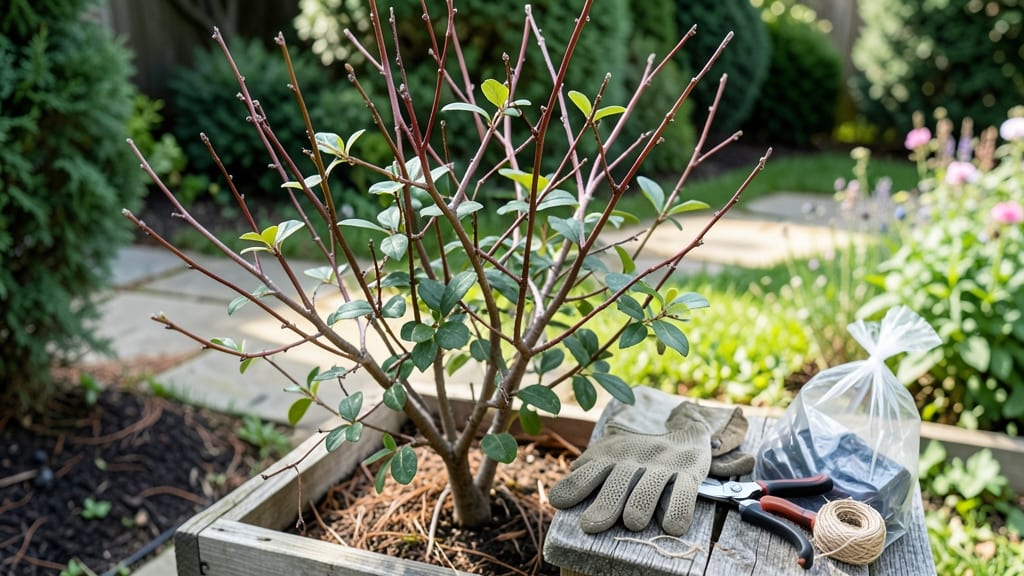
Winter pruning blueberry bushes in dormant season is the secret to next year’s bounty—thicker canes, more buds, and sweeter berries. 🌿 I’ve learned the hard way that skipping this step means fewer harvests, but once you master it, your bushes will thank you with pounds of fruit instead of just a handful.
The key is timing: prune after the first hard frost but before spring growth begins, usually between late December and early March in most zones.
You only need three tools: sharp bypass pruners for clean cuts, loppers for thicker branches, and a pair of gloves to protect your hands from thorns. The goal is to remove dead, diseased, or crossing branches first—these are the ones stealing energy from your harvest.
Next, thin out older canes (any over 5 years old) to let younger, more productive ones shine. Think of it like giving your bush a spa day: less clutter means more focus on growing fruit.
After pruning, your bushes will look sparse but purposeful—like a well-edited photo where every element matters. New growth will sprout from the base in spring, and those buds will turn into clusters of blueberries.
Just avoid fertilizing right after pruning (wait until early spring) and keep an eye out for mummy berry fungus, which thrives in winter. A light mulch layer helps too, keeping roots cozy under the snow.
This method works for southern highbush, rabbiteye, and northern highbush varieties, though exact timing shifts slightly by zone. In warmer climates (zones 7-9), prune earlier in winter; in colder zones (3-6), wait until late winter.
The payoff? Up to 30% more berries next season—and bushes that look like they’ve been professionally landscaped. Here’s how to do it right, step by step.
📚 In This Guide
- What you need
- Instructions
- Tips and common mistakes
- Wrapping up and next steps
What you need
- ● Pruning shears or loppers – Sharp, bypass-style blades (1 pair). Avoid dull tools—they crush branches!
- ● Hand pruners – For smaller branches (¼"–¾" thick) (1 pair). Look for ergonomic grips for comfort.
- ● Gloves – Heavy-duty, cut-resistant (1 pair). Blueberry thorns are no joke!
- ● Disinfectant (70% isopropyl alcohol or bleach solution) – To sterilize tools between cuts (small bottle or spray). Prevents disease spread.
- ● Rake or broom – For clearing debris (1). Helps keep the area tidy post-prune.
- ● Trash bags or compost bin – To dispose of pruned branches (2–3 bags). Avoid composting if disease is suspected.
- ● Pruning saw – For thick, woody stems (>¾" diameter) (1). Makes tough cuts easier.
- ● Ladder – If bushes are taller than 6 feet (1). Safety first!
- ● Labeling tags or marker – To mark bushes for future reference (small pack). Useful for large gardens.
- ● Mulch (straw or wood chips) – To protect roots after pruning (5–10 gallons). Adds a cozy winter blanket!
How to prune blueberry bushes in winter for maximum growth
Winter pruning transforms your blueberry bushes from tangled messes into productive, well-aerated powerhouses.
✂️ Step 1: Assess and Remove Dead or Damaged Wood
Start by examining each branch for signs of life. Dead wood appears gray, brittle, and snaps easily when bent—these branches won’t produce fruit and should be removed immediately. I like to grab a handful of stems and twist them gently; if they crumble, they’re dead. Use sharp pruning shears to make clean cuts just outside the branch collar, the swollen area where the branch meets the main stem.
You’ll also spot branches with brown, shriveled leaves or blackened tips from winter burn. These won’t recover and should be pruned back to healthy green wood. I mark these with a small piece of twine so I don’t accidentally cut healthy growth later. Remember, blueberries are resilient—they’ll bounce back with proper pruning.
🌿 Step 2: Thin Out Overcrowded Branches for Airflow
Blueberry bushes thrive when sunlight and air circulate freely. Look for branches growing inward or crossing each other—these compete for resources and create shaded, damp areas where diseases like botrytis fester. Remove about one-third of the oldest wood each year to maintain balance. I target branches thicker than a pencil, as these are the most competitive.
Focus on removing branches that originate from the base of the bush, as these often grow upward and block light from reaching lower branches. Cut these back to the main trunk or a strong lateral branch. Avoid leaving stubs—always cut at a 45-degree angle just above an outward-facing bud. This encourages new growth in the right direction.
☀️ Step 3: Shape the Bush for Optimal Fruit Production
Blueberries produce fruit on wood that’s 2-4 years old, so your goal is to create a framework of strong, well-spaced branches. Step back and visualize an open vase shape—wider at the top than the bottom. Remove any branches that grow straight up or downward, as these rarely bear fruit. Instead, encourage horizontal branches by cutting back the tips of vigorous upright growth.
For established bushes, prune back the tips of last year’s growth by about one-third to stimulate new fruiting wood. I like to make these cuts just above a set of leaves or a bud that faces outward. This ensures the bush fills out evenly and produces fruit along its entire length. Avoid heavy pruning in the center—blueberries need light to penetrate to the core for maximum yield.
⏰ Step 4: Clean Up and Prepare for Spring
Once pruning is complete, rake up all debris and dispose of it in the trash—not the compost pile. Blueberry prunings can harbor fungal spores that survive winter and reinfect your bushes in spring. I also disinfect my pruning tools with a 10% bleach solution (1 part bleach to 9 parts water) to prevent spreading disease between cuts.
Apply a 2-3 inch layer of mulch around the base of the bush, keeping it 6 inches away from the trunk to prevent rot. I use shredded bark or pine needles, which slowly release nutrients as they break down. Water deeply after pruning to help the bush recover and establish new roots before spring growth begins.
Tips & tricks for pruning blueberry bushes in winter
These game-changing techniques will help you transform your winter pruning from a guesswork chore into a strategic boost for next year's harvest.
Branch Collar Precision: When removing dead wood in Step 1, resist the urge to cut flush with the trunk. Instead, focus on the branch collar—that swollen area where the branch meets the main stem. This critical junction contains protective tissues that prevent disease entry. I've seen pruning wounds heal poorly when cut too close, so always leave that collar intact. A magnifying glass helps if your eyes aren't what they used to be.
Age-Based Pruning Strategy: Remember how blueberries fruit on 2-4 year old wood? That's your guide for Step 2. For each branch you remove, check its thickness—if it's thicker than a pencil, it's likely older than 4 years. These branches are no longer productive and should go first. I mark them with colored tape before cutting to avoid confusion, especially in large bushes where branches can tangle like spaghetti.
45-Degree Angle Technique: That 45-degree angle in Step 2 isn't just arbitrary—it creates a natural water runoff path that prevents water from pooling at the cut site. Always cut just above an outward-facing bud to encourage new growth in the right direction. Pro tip: Use a small carpenter's level against your pruners to ensure perfect angles, especially if you're new to this technique.
Mulch Layering Science: The 2-3 inch mulch layer in Step 4 serves two crucial purposes: temperature regulation and moisture retention. Apply it after pruning when the ground is still cool—this prevents mulch from heating up too quickly in spring. I like to use pine needles because they slowly acidify the soil, mimicking the natural forest floor conditions blueberries love. Keep that 6-inch clearance from the trunk to prevent rot.
Pro Tips for Pruning Blueberry Bushes In Winter
- These game-changing techniques will help you transform your winter pruning from a guesswork chore into a strategic boost for next year's harvest.
- Branch Collar Precision: When removing dead wood in Step 1, resist the urge to cut flush with the trunk.
- Age-Based Pruning Strategy: Remember how blueberries fruit on 2-4 year old wood?
Frequently asked questions
about pruning blueberry bushes in winter—your quick guide to clarity!When is the absolute latest I can prune before spring?
Prune before buds swell (late winter/early spring), but no later than February in most climates. If you miss winter, wait until after harvest in summer—but expect smaller yields that year. Cold dormancy is key!
What if I live in a warm winter climate?
In Zone 8-10, prune after harvest (summer/fall) to avoid stressing the bush. Focus on removing dead wood and thinning crowded canes. Never prune during heatwaves—wait for cooler months (like November).
Can I prune too aggressively?
Yes! Cutting more than 1/3 of the bush at once can shock it. Aim to remove only dead, diseased, or overcrowded canes. Healthy bushes thrive with 30-40% selective pruning—think "less is more."
What if my blueberries are still on the bush after pruning?
Leave frozen or dried berries—they’re gone. But if you see green berries post-prune, you pruned too late. Next time, prune 2-4 weeks earlier to avoid this. Patience pays off!
Does pruning in winter help with pests or diseases?
Removing dead/diseased canes reduces hiding spots for pests like blueberry maggots or mummy berry fungus. Sterilize tools with rubbing alcohol between cuts to prevent spreading pathogens. Prevention = happier bushes!
Wrapping up and next steps
Winter pruning is your secret weapon for a thriving blueberry bush and a bountiful harvest next season! By removing dead wood, shaping the plant, and encouraging new growth, you’re setting the stage for healthier, more productive bushes. 🌱
Now that you’re armed with the right tools and techniques, there’s no time like the present to roll up your sleeves and give your blueberries the care they deserve. Ready to transform your garden? Grab your pruners and start pruning—your future blueberry pies will thank you! 🍰
Next step: Mark your calendar for late winter (just before buds swell) and get pruning!