
Pruning
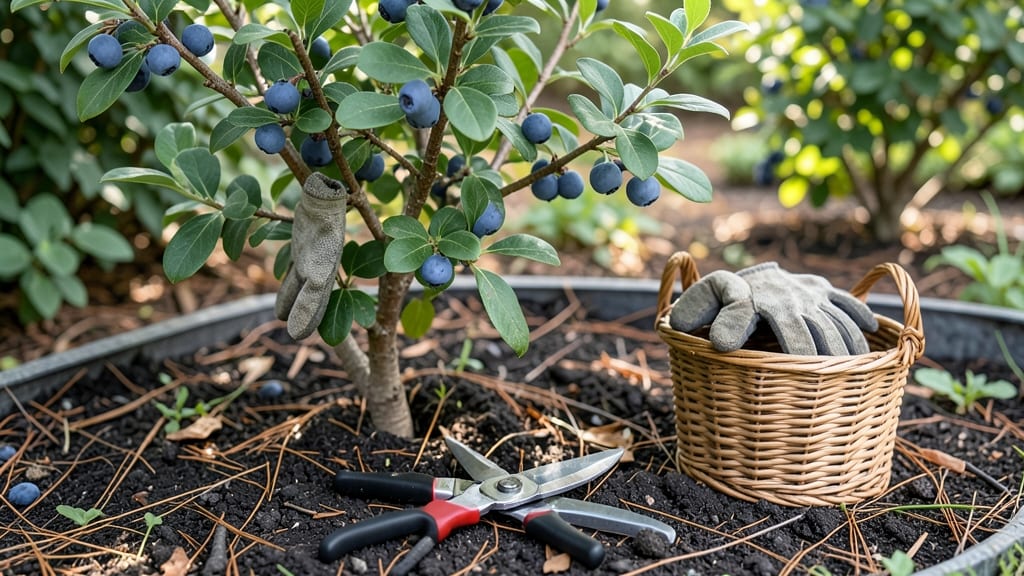
To prune blueberry bushes in NC during their dormant season—between late winter and early spring—is the key to unlocking a healthier plant and a bigger harvest.
Pruning blueberry bushes at the wrong time in North Carolina can reduce yields by up to 50%—but knowing the exact dormant season window transforms your harvest potential.
In NC’s 6a-8b zones, the best time to prune is after the last frost but before buds swell, typically February through April. Coastal areas may prune slightly later, while inland zones should act sooner to avoid late frosts.
Below, I’ll walk you through the step-by-step process, tools you’ll need, and how to spot the signs of true dormancy so you never miss the window again.
Best time to prune blueberry bushes in NC’s dormant season
North Carolina’s mild winters and humid springs create a unique challenge for blueberry pruning. Unlike northern states, NC’s USDA Zones 6a-8b allow pruning flexibility—but timing directly impacts your harvest yield. Pruning too early risks frost damage, while waiting too long stresses the bush before blooming season.
The optimal window is late winter to early spring, when bushes are truly dormant but before buds swell.
True dormancy in NC blueberries occurs when leaves have fallen and new growth stops. Look for brown stems and no green shoots—even in Zone 8b where winters are shorter. Coastal areas (like Wilmington) may prune 2-3 weeks later than inland zones (like Asheville) due to warmer microclimates.
This regional shift can mean the difference between 50% yield loss and a bumper crop.
Here’s how NC’s climate zones break down for pruning:
| Zone | Pruning Window | Key Cue | Risk of Pruning Too Early |
|---|---|---|---|
| 6a (Mountains) | Late February - Mid-March | After last frost (avg. March 15) | Frost damage to new cuts |
| 7a (Piedmont) | Mid-February - Early April | When 50% of buds are still dormant | Reduced flowering next season |
| 8a-8b (Coastal) | Early March - Late April | After warm spells (no new growth) | Overly aggressive regrowth |
Identifying dormancy isn’t just about the calendar—it’s about visual cues. Run your hand over the canes: if they feel hard and woody (not soft), the bush is ready. Check for bud swell—if buds are plump and green, you’ve waited too long.
In Zone 7a, this often aligns with early March, while Zone 8a bushes may not show dormancy until mid-March.
Pruning too early in NC’s humid climate invites fungal diseases like mummy berry, which thrives on fresh cuts. Wait until after the last average frost date (check your local NC State Extension map) to minimize risks.
For example, Raleigh (Zone 7b) should prune by March 20, while Greenville (Zone 8a) can safely prune until April 1.
Coastal gardeners must account for warmer microclimates. In Wilmington (Zone 8b), pruning in late March is ideal, but avoid cutting after April 1—this forces the bush to push new growth just as summer heat arrives, weakening it before fruit set.
Inland areas like Charlotte (Zone 7b) have a 3-week earlier window due to cooler nights.
One common mistake is pruning based on bloom timing rather than dormancy. NC’s early-blooming varieties (like ‘Bluecrop’) may show buds by late February, but pruning then removes next year’s fruit buds.
Always wait until after blooms fall—typically 2-3 weeks post-bloom—to ensure you’re not sacrificing yield for aesthetics.
For young blueberry bushes (under 3 years), pruning is less critical but still important. Focus on removing dead wood and thinning crowded canes to improve airflow.
In Zone 6a, this can start as early as late January, but avoid heavy pruning—just 10-15% of the bush—to avoid shocking the plant before it’s established.
After pruning, sanitize your tools with a 10% bleach solution to prevent spreading bacterial leaf spot, a common NC issue. Apply a 2-inch layer of mulch (like pine straw) around the base to retain moisture and lower soil pH naturally.
This step is critical in NC’s sandy soils, which can leach nutrients quickly.
Remember: the goal of dormant pruning is to open the canopy for sunlight and remove dead wood, not to reshape the bush. Aim to thin out 20-30% of the oldest canes (those 5+ years old) to encourage new, productive growth.
In Zone 8b, this might mean pruning canes that are thicker than a pencil—these are often non-productive.
🫐
Step-by-step dormant pruning guide for blueberry bushes
Pruning your blueberry bushes during dormant season is one of the most effective ways to boost next year’s fruit production. In North Carolina, this critical task should happen between late winter and early spring, when the plant is fully dormant but before new growth begins.
Timing is everything—prune too early, and you risk frost damage; too late, and you stunt spring growth. Let’s walk through the exact steps to prune like a pro.
Before you grab your pruning shears, gather the right tools: sharp bypass pruners for clean cuts, loppers for thicker branches, and gloves to protect your hands. Disinfect your tools with rubbing alcohol to prevent spreading disease.
You’ll also want a bucket or tarp to collect pruned branches and a notebook to sketch your bush’s shape before and after pruning. This helps you visualize the changes and avoid over-pruning.
Step-by-Step Dormant Pruning Guide
- Step 1: Remove dead wood first—look for branches that are brown, brittle, or hollow. Cut these back to the main stem or healthy growth.
- Step 2: Thin the center of the bush to improve air circulation and sunlight penetration. Aim to remove 10-15% of the oldest canes each year.
- Step 3: Cut back last year’s fruit-producing canes to 6-12 inches above the ground. These canes are 2-3 years old and have already borne fruit.
- Step 4: Shape the bush by trimming overlapping branches and suckers (shoots growing from the base). This keeps the bush compact and productive.
- Step 5: Sanitize cuts with pruning paint (optional but helpful in humid NC climates) to prevent disease entry points.
- Step 6: Clean up by removing all pruned branches from the area to reduce pest and disease risks.
When pruning, focus on removing old canes first—they’re no longer productive and take energy from new growth. Blueberry bushes produce fruit on wood that’s 2-3 years old, so preserving younger canes is key.
Use the one-third rule: never remove more than one-third of the bush’s total canes in a single year. This ensures the plant retains enough leaf canopy to photosynthesize and fuel next year’s harvest.
After pruning, mulch around the base of your blueberry bushes with pine straw or wood chips to retain moisture and regulate soil temperature. This is especially important in North Carolina’s variable spring weather, where late frosts can still occur.
Avoid piling mulch against the stems to prevent rot and disease. Water deeply but lightly after pruning to help the plant recover without stressing it.
Schedule your next pruning session for late winter to early spring, ideally in February or March, just before buds begin to swell. In Zone 6a (western NC), aim for February after the last frost date.
In Zone 8b (coastal NC), you can prune as late as early April. Always check the USDA frost map for your specific area to avoid pruning too early and risking frost damage to fresh cuts.
With these steps, your blueberry bushes will thrive, producing larger, sweeter berries year after year. Happy pruning—your future harvests will thank you! 🫐✂️