
Pruning
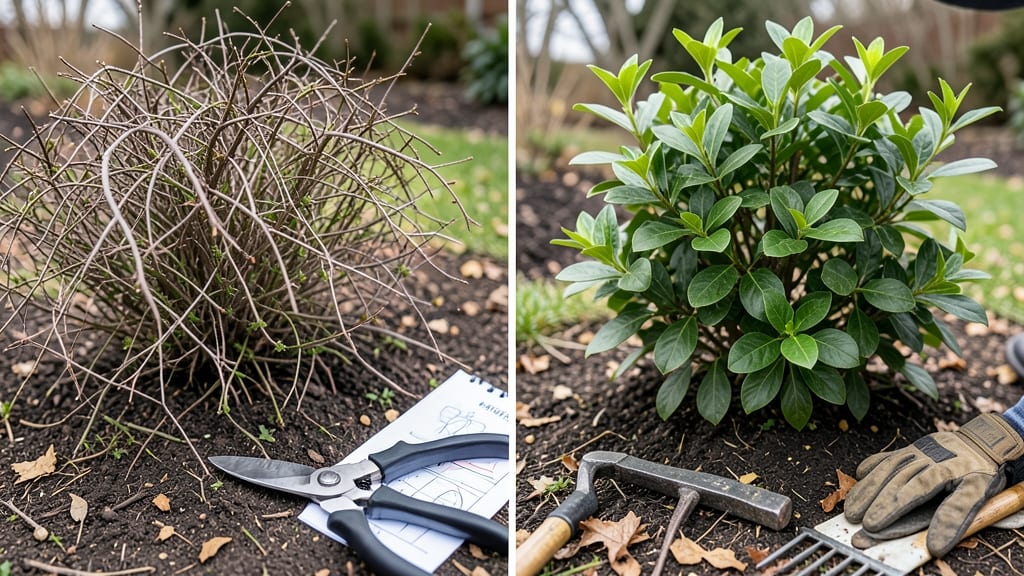
Avoiding viburnum pruning mistakes turns lush shrubs into sad, leggy sticks. 🌿 I’ve seen healthy viburnums reduced to shadows after just one overzealous pruning session—don’t let that be you. The key isn’t just when you prune but how you shape the plant for its natural growth habits.
Most mistakes happen because gardeners treat viburnums like overgrown hedges instead of flowering shrubs. Pruning too early strips away next year’s blooms, while cutting back hard in late summer leaves no time for new growth.
The fix? Time it right—after flowering but before late summer—and always cut just above a leaf bud, never at a bare stem.
What you’ll end up with is a viburnum that bursts with blooms every spring, dense foliage year-round, and a shape that looks intentional, not hacked. The secret’s in the patience: viburnums reward gentle care with decades of reliable growth.
Even if you’ve butchered one before, it recovers faster than you’d think.
This works for all viburnum types—from the classic Viburnum dentatum to the showy Viburnum bodnantense—and adapts to container gardens or large landscapes. Let’s get those shears sharp and those branches thriving again.
📚 In This Guide
- What you need
- Instructions
- Tips and common mistakes
- Wrapping up and next steps
What you need
- ● Bypass pruners – Sharp, clean bypass pruners (not anvil-type) for precise cuts on stems up to ½-inch thick. Quantity: 1 pair.
- ● Loppers – Heavy-duty loppers for thicker branches (up to 1.5-inch diameter). Quantity: 1 pair.
- ● Pruning saw – A fine-toothed saw for branches thicker than 1.5 inches. Quantity: 1.
- ● Garden gloves – Durable, cut-resistant gloves to protect your hands from thorns and rough bark.
- ● Disinfectant (70% isopropyl alcohol or bleach solution) – To clean tools between cuts and prevent disease spread.
- ● Rubbing alcohol or hand sanitizer – For quick tool and hand disinfection.
- ● Ladder or step stool – If your viburnum is tall or dense, reach those high branches safely!
- ● Marking spray or tape – To tag branches for removal before cutting (helps avoid over-trimming).
- ● Compost bin or trash bags – For disposing of pruned branches (some viburnum varieties can resprout from cuttings!).
- ● Safety glasses – Protect your eyes from debris, especially when sawing.
- ● ✅ Research your viburnum species – Some (like Viburnum dentatum) bloom on old wood, while others (like Viburnum bodnantense) bloom on new growth. Know this before pruning!
- ● ✅ Choose the right time – Prune after flowering (late spring to early summer) for most species, or dormant season (late winter) for late-blooming types.
- ● ✅ Check the weather – Avoid pruning on rainy or windy days to reduce stress on the plant.
- ● ✅ Clear the workspace – Remove weeds, debris, and any tools that aren’t pruning-related to stay organized.
How to avoid common viburnum pruning mistakes
Pruning viburnums wrong can turn your shrub into a leggy, flowerless mess. Here’s how to keep yours thriving.
✂️ Step 1: Identify the Right Pruning Time
Viburnums bloom on old wood, meaning flowers form on stems from last year. Pruning too early—right after flowering—removes next year’s buds. Wait until late spring or early summer, after the plant finishes blooming but before new growth hardens off. This timing ensures you preserve the flower clusters that will appear next season.
I always mark my calendar for June 15th as my cutoff—this gives most viburnum varieties enough time to set buds for the following spring. If you prune later than July, you risk cutting back growth that won’t have time to mature before winter.
🌿 Step 2: Prune for Structure, Not Just Size
Many gardeners make the mistake of shearing viburnums into perfect spheres, which weakens the plant and removes next year’s blooms. Instead, focus on open-center shaping—thinning out crowded branches from the center to improve airflow and light penetration. Start by removing any dead, diseased, or crossing branches first; these compete with healthy growth.
Use sharp bypass pruners to make clean cuts just outside the branch collar—the swollen area where the branch meets the trunk. Avoid leaving stubs, as they invite disease and slow recovery. Aim to reduce the center density by 20-30% in one session, never more than that in a single year.
✂️ Step 3: Deadhead Correctly (Or Skip It)
Deadheading—removing spent flower clusters—is a common mistake with viburnums. Unlike annuals, these shrubs rely on last year’s wood for blooms, so cutting back flower stems after they fade removes next season’s potential flowers. Instead, leave the spent blooms in place until they turn brown and brittle, then trim them in late winter or early spring as part of your general cleanup.
If you’re growing a viburnum for its berries (like Viburnum opulus), never deadhead at all. The berries form from the same flower clusters that will bloom again next year, and removing them reduces next year’s fruit production.
🌱 Step 4: Avoid Over-Trimming Young Shrubs
Newly planted viburnums are especially sensitive to aggressive pruning. In their first two years, focus on establishing a strong root system rather than shaping the shrub. Lightly prune only to remove dead or damaged branches, and avoid cutting back more than 10-15% of the plant’s overall growth in any given year.
I’ve seen too many gardeners over-trim young viburnums, leaving them with sparse foliage and weak stems. If you must prune, do it in stages—remove a few branches at a time over several years. This gradual approach encourages a fuller, more resilient shrub that will reward you with abundant blooms for decades.
⏰ Step 5: Clean Up Properly to Prevent Disease
After pruning, remove all cuttings and debris from the base of the plant. Viburnums are prone to fungal issues like powdery mildew and anthracnose, which thrive in damp, organic debris. Sterilize your pruners between cuts with 70% isopropyl alcohol or a bleach solution (1 part bleach to 9 parts water) to prevent spreading pathogens.
I always rake up fallen leaves and spent blooms, then dispose of them in the trash—not the compost—since they can harbor fungal spores. A quick spray of neem oil in early spring helps deter pests and diseases before they take hold.
Tips & tricks for viburnum pruning success
Took me years to learn these lessons the hard way—here’s how to avoid the most common viburnum pruning blunders.
Timing is Everything: The June 15th cutoff I use for pruning isn’t arbitrary—it’s when most viburnum varieties have finished blooming but still have time to set next year’s buds. If your viburnum blooms later (like Viburnum bodnantense), extend your cutoff to early July. Watch for the flower clusters to turn brown and brittle—this is your signal to prune, not the calendar date.
Branch Collar Awareness: I can’t stress this enough: Always cut just outside the branch collar, that swollen area where the branch meets the trunk. That tiny detail makes all the difference between a clean recovery and a slow-healing wound. If you’re unsure where the collar is, trace the branch back to the trunk—it’s usually visible as a slight swelling or ridge. Using dull pruners creates jagged cuts that invite disease, so invest in sharp bypass pruners if you don’t already have them.
Visual Pruning Cues: When you’re thinning out crowded branches in Step 2, look for these visual signals: branches growing directly toward the center of the plant should be the first to go, as should any that cross others. Aim to create an open vase shape—this improves airflow and light penetration, which prevents fungal issues. I like to step back every few cuts to check the overall shape; what looks good from close up can look chaotic from a distance.
Seasonal Pruning Calendar: Mark these dates on your gardening calendar: late winter (for general cleanup), June 15th (main pruning window), and early spring (for berry-producing varieties). If you’re growing viburnum for its berries, wait until after the berries have ripened before doing any major pruning. The key is to never remove next year’s potential blooms or fruit—always think two seasons ahead when you’re making cuts.
Pro Tips for Viburnum Pruning Mistakes
- Took me years to learn these lessons the hard way—here’s how to avoid the most common viburnum pruning blunders.
- Timing is Everything: The June 15th cutoff I use for pruning isn’t arbitrary—it’s when most viburnum varieties have finished blooming but still have time to set next year’s buds.
- Branch Collar Awareness: I can’t stress this enough: Always cut just outside the branch collar, that swollen area where the branch meets the trunk.
Frequently asked questions
Got questions about viburnum pruning? You’re not alone—even experienced gardeners sometimes trip up on timing, tools, or techniques. Here are the most common concerns, answered clearly so you can avoid costly mistakes and keep your viburnum thriving.
When is the best time to prune viburnum?
The ideal window is late winter or early spring (before buds swell) for most viburnums. For Viburnum dentatum (arrowwood), prune after flowering (summer) to preserve next year’s blooms. Avoid pruning in fall—it encourages tender new growth vulnerable to frost damage.
What happens if I prune at the wrong time?
Pruning too late (after buds form) can remove next year’s flowers or stimulate weak growth that freezes back. Fall pruning may also invite pests or diseases. If you’ve already pruned at the wrong time, don’t panic—just adjust your approach for next year and focus on light shaping now.
Can I prune viburnum in summer?
Yes, but only for specific varieties like Viburnum opulus (cranberrybush) or Viburnum dentatum. Summer pruning (after flowering) helps control size and encourages bushier growth. Avoid heavy cuts—stick to 1/3 of the plant’s height max. For other types, summer pruning risks stressing the plant.
What if I accidentally over-prune my viburnum?
Don’t stress! Viburnums are resilient. If you’ve trimmed too much, focus on watering deeply and fertilizing lightly (use a balanced 10-10-10). New growth should sprout from the base—just avoid pruning again until next year’s dormant season. Over time, the plant will recover, but expect slower flowering that season.
Do I need to deadhead viburnum flowers?
Not usually! Unlike annuals, viburnums don’t require deadheading—their flowers give way to berries (or seed heads) that add winter interest. Deadheading can even reduce next year’s blooms in some varieties. Instead, let spent flowers stay for texture, or prune only the oldest stems in late winter.
What tools do I need for viburnum pruning?
Start with sharp bypass pruners for small stems and loppers for thicker branches. For large viburnums, a pruning saw helps. Sterilize tools with rubbing alcohol between cuts to prevent disease spread. Avoid dull tools—they tear bark, inviting infections.
Wrapping up and next steps
Pruning your viburnum correctly can transform it from a tangled mess into a thriving, lush centerpiece—but avoiding common mistakes is key! Remember to deadhead after flowering, prune at the right time, and avoid over-trimming to keep your plant healthy and beautiful.
With these tips, you’re well on your way to mastering viburnum care.
Ready to give your viburnum the TLC it deserves? Grab your pruners and head outside—your plant’s next chapter starts now! 🌿✨