
Pruning
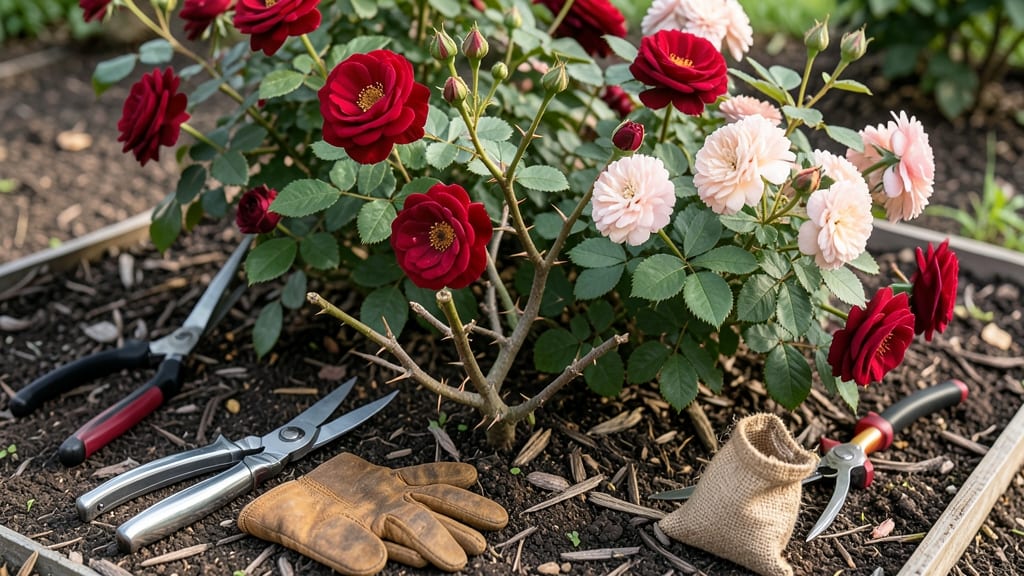
Hard pruning your 🌹 roses at the right time is the difference between a bush bursting with blooms next season and one that barely puts out a few sad flowers.
If you’ve ever stared at your late-winter roses wondering, "Why aren’t they blooming like last year?" the answer might be as simple as pruning too early—or too late.
The ideal rose hard pruning time isn’t just about cutting back; it’s about giving your plant the best shot at a strong, vibrant comeback when spring arrives.
For USDA Zone 6a gardeners (and many others), the sweet spot is late winter to early spring—just as forsythia begins to bloom. But timing isn’t one-size-fits-all: colder climates need to wait for frost to pass, while milder regions can prune a bit earlier.
Get it wrong, and you risk stunted growth, weak canes, or even disease.
Below, I’ll walk you through the exact window to prune, how deep to cut, and the three mistakes that turn promising roses into flops. Ready to transform your garden?
Best time for rose hard pruning to boost next season’s blooms
Timing your rose hard pruning correctly is the difference between a bush bursting with blooms next season and one struggling to recover. The ideal window is late winter to early spring, when your roses are still dormant but just before new growth begins.
This timing ensures you remove last season’s dead wood while giving the plant enough time to recover before summer heat arrives.
Pruning too early—like in deep winter—can leave your roses vulnerable to frost damage, while waiting too long risks stunting new growth. In USDA zones 6-10, this typically means pruning between February and April, but your exact timing depends on your local climate and the last frost date.
For example, in Zone 7, I prune in mid-March, while in Zone 9, I wait until late February.
A helpful rule of thumb is to prune when forsythia bushes bloom nearby—this signals that your roses are ready for a hard cut back. Another trick is to check for swollen rose buds, which indicate the plant is waking up but hasn’t started growing yet.
These signs ensure you’re pruning at the perfect moment for maximum bloom potential.
Here’s a quick reference for regional pruning windows to help you plan:
| USDA Zone | Ideal Pruning Window | Climate Notes | Avoid Pruning After |
|---|---|---|---|
| Zones 6-7 | Mid-to-late March | Wait until after last frost (typically mid-April) | Early April |
| Zones 8-9 | Late February to early March | Mild winters allow earlier pruning | Mid-March |
| Zone 10 | January to February | Prune before warm spells trigger growth | Early February |
| All Zones | When forsythia blooms | Natural indicator for dormancy break | 2 weeks after blooms fade |
The key reason for pruning at this time is to remove old, weak canes while encouraging new, vigorous growth from the base. When you prune too early, you risk exposing the plant to late-season frosts, which can damage tender new shoots.
Conversely, pruning too late—like in May or June—delays the plant’s ability to establish strong roots before summer, leading to fewer blooms and weaker stems.
In my garden, I also watch for bud swell as a final check. If the buds on your roses look plump and ready to burst, it’s time to prune. This usually happens just before forsythia blooms, giving you a clear visual cue.
For container-grown roses, you can prune slightly earlier since they warm up faster in sunny microclimates.
Another critical factor is soil temperature. Prune when soil temps are consistently above 40°F (4°C)—this ensures roots can quickly absorb nutrients from fresh cuts. In colder climates, like Zone 5 or below, you might delay pruning until late April to avoid frost damage.
Always check your local last frost date and plan accordingly.
If you miss the ideal window, don’t panic! You can still prune in early summer, but expect fewer blooms that season. The goal is to remove any dead or diseased wood and shape the plant for airflow.
Just avoid heavy pruning after June 1st, as this can stunt fall growth and reduce winter hardiness.
Pro tip: After pruning, apply a balanced rose fertilizer (like 10-10-10) to give your roses a nutrient boost for the growing season ahead. This helps compensate for the stress of pruning and encourages lush, healthy foliage and abundant blooms.
Pair this with regular watering—about 1-2 gallons per week—to keep your roses thriving.
🌹
How to prune roses for maximum blooms: step-by-step hard pruning guide
Once you’ve nailed down the rose hard pruning time, the real work begins: shaping your roses for a bloom explosion next season. Hard pruning involves cutting back ⅓ to ⅔ of your plant’s height, depending on the variety, to encourage strong new growth and abundant flowers.
This isn’t just about hacking away—it’s a strategic process that removes dead wood, improves airflow, and sets up your roses for success.
Start by gathering your tools: sharp bypass pruners, disinfectant (to prevent disease spread), and gloves (roses have thorns!). Work on a dry, sunny day when temperatures are above freezing but not scorching.
The goal? To create an open, vase-like shape that lets sunlight and air circulate freely, reducing humidity and fungal risks like black spot.
⚠️ WARNING: Common Pruning Mistakes That Ruin Your Roses
Topping (cutting straight across the top) stunts growth and creates weak stems. Uneven cuts leave ragged edges that invite disease. Pruning too late (after new growth starts) delays blooming. Over-pruning (cutting into old wood) removes next year’s flower buds. Always cut at a 45-degree angle just above an outward-facing bud, and never remove more than ⅔ of the plant in one season.
Begin by removing any dead, diseased, or crossing canes. Dead wood is easy to spot—it’s brown, brittle, and won’t bend. Diseased canes may have black spots, mold, or oozing sap.
Cut these out first, then sanitize your pruners between cuts. Next, tackle thin, weak, or spindly growth. These canes rarely produce strong blooms and compete with healthier stems for nutrients.
Now for the structural cuts: look for outward-facing buds (they’ll form the new branches). Make your cuts ½ inch above the bud at a 45-degree angle, slanting away from the bud. This prevents water from pooling on the cut, which can rot the stem.
Aim to create a balanced, open center—this isn’t the time to make your rose bush look like a perfect sphere. Think "airy and light," not "dense and cramped."
For climbing roses, prune slightly differently: cut back last year’s growth by ⅓ to ½, focusing on long, leggy stems that won’t support new blooms well. Always leave at least 3-5 strong canes to ensure next year’s flowers have a sturdy framework.
After pruning, step back and admire your work—your roses should now look like open, well-ventilated sculptures, ready to burst into life.
Finish by cleaning up the area: remove all pruned debris from the base of the plant (don’t leave it piled around the roots—it can harbor pests and diseases). Apply a layer of mulch (2-3 inches) to retain moisture and protect roots.
Water deeply to help your roses recover, and in 4-6 weeks, you’ll see fresh green shoots signaling new growth. With the right timing and technique, your hard-pruned roses will reward you with bigger, healthier blooms all season long. 🌹