
Pruning
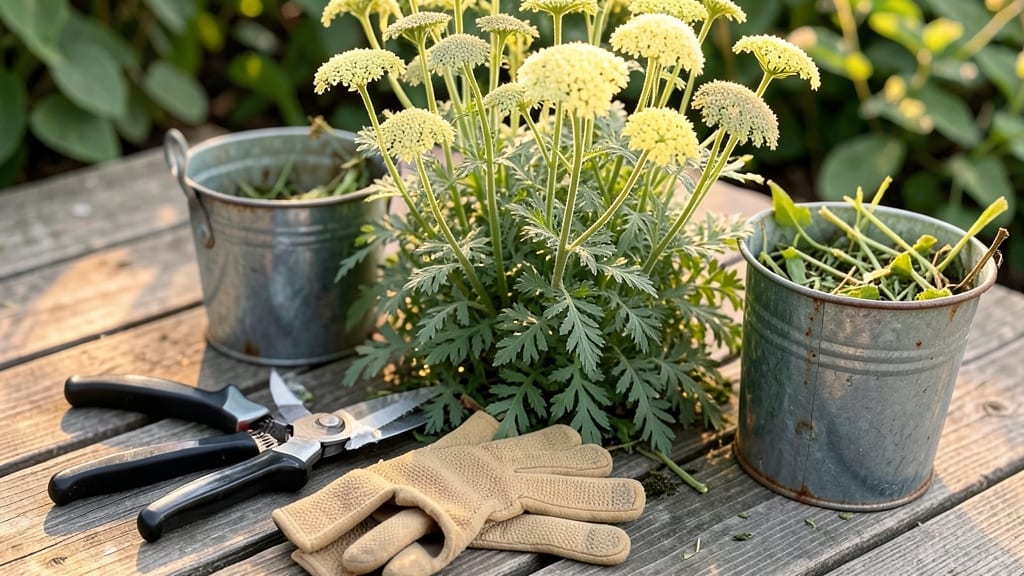
Pruning yarrow plants keeps them blooming for months instead of weeks. ✨ I’ve watched my Achillea millefolium go from ragged by August to a lush, flower-filled display through October—just by cutting back at the right time. The key? Timing, technique, and knowing when to give your plants a second wind.
You’ll need sharp pruners (or clean scissors), gloves, and about 20 minutes of focused time. Most people skip pruning yarrow entirely, but that’s what turns it from a one-season showstopper into a repeat performer.
The best time to prune is late spring or early summer—right after the first flush of blooms—but you can also do a light cleanup in fall.
After pruning, your yarrow will shoot up new growth within 7-10 days, often with fresh blooms by mid-summer. The foliage stays thicker and greener, and you’ll cut down on self-seeding (which can turn your garden into a yarrow jungle overnight).
For varieties like ‘Moonshine’ or ‘Terracotta’, this method keeps them looking intentional, not wild.
Works for all Achillea types—whether you’re growing yarrow for bold foliage, long-lasting flowers, or erosion control. The same steps apply, so you can prune once and forget it until next spring. Ready to transform your yarrow from “meh” to “wow”?
📚 In This Guide
- What you need
- Instructions
- Tips and common mistakes
- Wrapping up and next steps
What you need
- ● Pruning shears or bypass pruners: Choose sharp, high-quality shears (like Felco or Fiskars) to make clean cuts without crushing stems. Size: 5-7 inches for precision.
- ● Garden gloves: Protect your hands from thorns and dirt. Opt for durable, breathable materials (e.g., leather or nitrile-coated).
- ● Disinfectant (70% isopropyl alcohol or bleach solution): Clean tools before and after pruning to prevent disease spread (1 part bleach to 9 parts water).
- ○ Garden twine or rubber bands: Tie back pruned stems if needed for support (optional but handy for large plants).
- ● Compost bin or bag: Collect pruned stems for composting (yarrow decomposes quickly!).
- ● Watering can or hose: Keep plants hydrated before and after pruning (1-2 gallons per plant for large yarrows).
- ● Hand pruners: For smaller stems or tight spaces (3-4 inch blades).
- ● Knee pads: Save your joints if you’re pruning low or for long periods.
- ● Plant marker or labels: Identify pruned plants if you have a mixed garden bed.
- ● Pruning saw: For very thick stems (rare in yarrow but useful for established clumps).
Instructions: how to prune yarrow for vibrant growth
Here’s my go-to method for rejuvenating yarrow—cutting back just right keeps blooms abundant and foliage lush.
✂️ Step 1: Time Your First Cut for Peak Health
Prune yarrow in early spring before new growth begins, or right after flowering to encourage a second bloom cycle. I avoid cutting back in fall unless deadheading spent blooms—yarrow’s tough stems store energy for winter. Use clean, sharp pruners to make cuts at a 45-degree angle, about ½ inch above a leaf node or lateral bud. This angle prevents water from pooling and rotting the stem.
Watch for the plant’s natural growth rhythm: if stems are woody and bare at the base, it’s time to revive. Yarrow grows aggressively, so don’t hesitate—cutting back ⅓ of the plant’s height in spring stimulates bushier, more vibrant regrowth. If you’re pruning after flowering, trim back to 6-8 inches tall to promote a fresh flush of foliage and blooms.
✂️ Step 2: Deadhead Spent Blooms for Extended Season
Snip off flower heads as soon as they fade to redirect the plant’s energy into new blooms instead of seed production. I use my fingers for small clusters—just pinch them off at the base—but for larger stems, pruners work best. Cut just above the first set of healthy leaves below the bloom to maintain the plant’s shape and encourage lateral branching.
This step is non-negotiable for long-blooming yarrow. Skipping it leads to leggy stems and fewer flowers. You’ll notice new buds forming within 2-3 weeks of deadheading, signaling the plant is responding well. For a second flush of blooms, repeat deadheading every 4-6 weeks during the growing season.
✂️ Step 3: Thin Overcrowded Stems for Airflow
Yarrow spreads quickly, so thin out overcrowded stems in late summer or early fall to improve airflow and reduce disease risk. Focus on removing weak, crossing, or leggy stems at the base—these compete with stronger growth for nutrients. Aim to leave 3-5 of the healthiest stems per plant, cutting them back to 4-6 inches tall to encourage compact, bushy regrowth.
This step also prevents yarrow from becoming too woody at the base. After thinning, water deeply to help the plant recover. You’ll see fresh green growth within 10-14 days, and the remaining stems will thicken and strengthen. In colder climates, a light pruning in late fall (after the first frost) keeps the plant tidy and reduces winter dieback.
Tips & tricks for perfect yarrow pruning
Here's what nobody tells you about keeping your yarrow thriving after the initial cuts.
Tool Selection: Invest in a pair of bypass pruners with a 45-degree cutting angle—they make clean cuts that heal faster and reduce disease risk. I've ruined perfectly good yarrow plants using dull shears that crush stems instead of cutting cleanly. For large clumps, a pruning saw with a fine-tooth blade works wonders for thick stems. Always sterilize your tools with rubbing alcohol between cuts to prevent spreading fungal spores.
Seasonal Timing: The instructions mention early spring and post-flowering, but here's the secret: late summer thinning (Step 3) is where the magic happens for next year's blooms. This is when yarrow's energy shifts from flowering to root development. Cutting back then prevents woody buildup at the base, which is the #1 reason yarrow loses its vigor. I've seen plants go from leggy to bushy in just one season after this step.
Visual Cues for Pruning: When deciding whether to cut back that woody stem, look for these signs: bare patches at the base (time to revive), leggy growth with sparse leaves (needs thinning), and flower heads turning brown (ready for deadheading). The ½ inch above leaf node rule ensures new growth will emerge from that strong lateral bud. I always count the leaf nodes when making my cuts—it's the plant's way of telling you where to stop.
Pro Tips for Pruning Yarrow Plants
- Here's what nobody tells you about keeping your yarrow thriving after the initial cuts.
- Tool Selection: Invest in a pair of bypass pruners with a 45-degree cutting angle—they make clean cuts that heal faster and reduce disease risk.
- Seasonal Timing: The instructions mention early spring and post-flowering, but here's the secret: late summer thinning (Step 3) is where the magic happens for next year's blooms.
Frequently asked questions
Got questions about pruning yarrow plants?
You’re not alone! Here are some of the most common concerns—and their answers—to help you keep your yarrow thriving with confidence.
When is the best time to prune yarrow for the first time?
Prune yarrow right after the first flush of blooms (late spring to early summer) to encourage a second, often more abundant bloom cycle. Avoid cutting back into woody stems—focus on spent flowers and leggy growth. For fall cleanup, wait until after frost to trim back dead foliage.
How often should I prune yarrow plants?
Yarrow thrives with 2-3 pruning sessions per year:
- Spring: Remove dead or damaged stems.
- Mid-summer: Deadhead spent blooms to prolong flowering.
- Fall: Cut back foliage to ground level (after frost).
What if I prune yarrow at the wrong time?
Pruning too late in the season (after late summer) or too aggressively can stunt growth or leave stems vulnerable to rot. If you accidentally cut back into woody bases, don’t panic—yarrow is resilient! Just reduce frequency and focus on light trims next time.
Can I prune yarrow for bushier foliage instead of flowers?
To promote lush foliage, prune lightly in early spring (just above a set of leaves) and avoid deadheading. Yarrow’s fern-like leaves thrive with minimal intervention. For a balanced look, trim back one-third of the oldest stems in late winter to encourage new growth.
What’s the best tool for pruning yarrow?
Use clean, sharp bypass pruners or shears for stems thicker than a pencil. For finer trimming, hand pruners work well. Never use dull tools—they crush stems, inviting disease. Sterilize blades with rubbing alcohol between cuts to prevent bacterial spread.
Wrapping up and next steps
Pruning yarrow isn’t just about tidying up—it’s your secret weapon for longer blooms, healthier growth, and lush foliage! By following these simple steps, you’ll keep your plants thriving and looking their best all season. 🌿✨
Now that you’re armed with the know-how, roll up your sleeves and give those yarrow plants some love. Start with the oldest stems, then reward yourself with a vibrant garden that’s the envy of the neighborhood!
For extra inspiration, check out our guide on designing a pollinator-friendly garden—your bees will thank you!