
Pruning
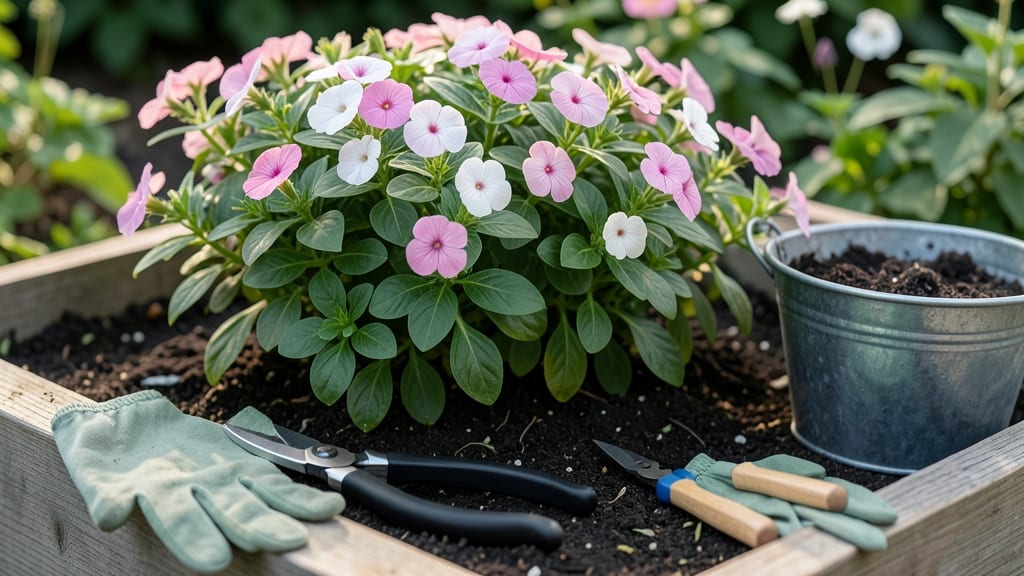
Pruning impatiens plants isn't just about cutting back—it's about unlocking a cascade of blooms that last all season. 🌸 I learned the hard way that skipping this step means sparse, leggy plants by midsummer, but the right technique turns them into lush, flowering powerhouses that keep going until frost.
The secret lies in timing, tools, and a light touch that encourages new growth without stressing the plant.
You'll need just three things: clean, sharp pruning shears (dull blades tear stems), a small bucket for spent blooms, and a sunny morning to work. Start by deadheading faded flowers—pinch them off just above a set of leaves—then trim back leggy stems to just above a leaf node.
This simple habit tricks the plant into focusing energy on new blooms instead of seed production. For bushier growth, cut back the longest stems by a third every few weeks.
What you end up with is impatiens that look like they just came from a nursery, not a garden center. The blooms stay vibrant and abundant, the plants fill out their containers beautifully, and you avoid the sad, overgrown look that plagues neglected impatiens.
The key is consistency—just 10 minutes every week keeps them thriving all season long.
This works for both container-grown impatiens and those planted in garden beds, though container plants often need more frequent pruning. The same principles apply whether you're dealing with New Guinea impatiens or the classic busy Lizzie varieties. Once you master this, you'll never let your impatiens go to seed again.
📚 In This Guide
- What you need
- Instructions
- Tips and common mistakes
- Wrapping up and next steps
What you need
- ● Pruning shears: Bypass pruners (sharp, clean blades, 5–7 inches long) – 1 pair (sterilize with rubbing alcohol before/after use!).
- ○ Hand pruners: Small, precise (for delicate stems) – 1 pair (optional but handy for tight spaces).
- ● Garden gloves: Lightweight, breathable (to protect from thorns or sap) – 1 pair.
- ● Disinfectant: Rubbing alcohol (70%+) or hydrogen peroxide (3%) – small bottle (for tool sterilization).
- ○ Garden twine or plant ties: Soft, stretchy (for supporting pruned plants) – 1 roll (optional).
- ● Pruning saw: Fine-tooth (only if dealing with woody stems) – 1 (rarely needed for impatiens).
- ● Timing: Prune in the morning (when plants are hydrated) or early evening (avoid midday sun stress).
- ● Weather: Choose a calm, overcast day (or water plants thoroughly beforehand).
- ● Water: Have a watering can or hose nearby to hydrate plants before and after pruning.
- ● Compost/bin: A small garden waste bin or compost pile for clippings.
- ○ Fertilizer (optional): Balanced liquid fertilizer (e.g., 10-10-10) – diluted (use within 24 hours post-pruning).
- ● 💡 Sterilize tools between plants to prevent disease spread (even if they’re all impatiens!).
- ● 🌡️ Avoid pruning in extreme heat—impatiens wilt faster when stressed.
- ● 🎯 Label your tools if you share them with other gardeners (trust us, it’s a lifesaver!).
How to prune impatiens for a full, blooming display
Here’s the simple routine I use to keep impatiens lush and flowering all season—no fancy tools or guesswork.
✂️ Step 1: Identify the Right Time to Prune
Prune impatiens right after flowering or when stems grow 3-4 inches beyond your desired shape. This encourages new growth from lower buds, not just the tips. I always check for healthy leaves—if the plant looks leggy or sparse, it’s time to cut back one-third of the oldest stems first.
Spring and summer are ideal, but you can prune lightly in fall too—just stop 6 weeks before frost to avoid stressing the plant. Watch for new buds forming after pruning; that’s your sign it’s working. If you see yellow leaves, prune those stems completely to redirect energy.
✂️ Step 2: Use the Right Tools and Technique
Grab clean, sharp pruning shears (or scissors) and make cuts just above a leaf node—the bump where leaves grow out. This ensures new shoots sprout from that spot. I angle cuts slightly downward to keep water from pooling on the stem, which prevents rot.
Never cut into woody stems—impatiens are tender and won’t regrow from old wood. If a stem feels hard, leave it alone. For deadheading (removing spent blooms), pinch off flowers at the base to encourage more buds. You’ll notice new blooms in 2-3 weeks if you’re consistent.
☀️ Step 3: Shape and Encourage Bushiness
Step back and visualize your ideal shape—most impatiens thrive as rounded bushes. Trim long, leggy stems to maintain balance, but don’t overdo it. I like to pinch back the tips of new growth to force branching. This creates a fuller plant with more blooms.
After pruning, give your impatiens bright, indirect light and consistent water (keep soil evenly moist but not soggy). You’ll see new leaves and buds within 10-14 days. If flowers slow down, a light balanced fertilizer (10-10-10) helps—just follow label instructions.
⏰ Step 4: Seasonal Maintenance for Year-Round Blooms
In spring, prune back one-third of the plant to refresh growth. In summer, deadhead weekly to keep blooms coming. By fall, reduce pruning but keep removing dead flowers until frost. I also cut back any brown or diseased stems immediately to prevent spread.
Overwintering? If you’re in a mild climate, prune lightly in fall and reduce watering. In colder zones, let the plant die back naturally and replant fresh in spring. The key is consistency—a little effort now means months of vibrant blooms with minimal work.
Tips & tricks for pruning impatiens plants
Here's what nobody tells you about keeping your impatiens thriving—these little details make all the difference.
Timing is Everything: The 6-week rule before frost is non-negotiable in cooler climates. I learned this the hard way after pruning too late and watching my plants struggle through winter. If you're unsure about your frost date, check your local weather service or use the old rule of thumb: stop pruning when nighttime temperatures consistently drop below 40°F. This gives your plants time to harden off naturally.
Tool Technique: When making cuts just above a leaf node, I always make the cut at a 45-degree angle. This creates more surface area for water absorption and prevents water from pooling on the stem, which can lead to rot. For deadheading, use your fingers to pinch off spent blooms at the base—this is faster than using shears and prevents accidental cuts to healthy growth.
Visual Cues Matter: The "3-4 inches beyond desired shape" guideline is about visual balance. Step back and look at your plant from all angles—if you can see bare stems or uneven growth, that's your cue to trim. For leggy stems, cut back to just above a set of healthy leaves, not to bare wood. This encourages bushier growth from the base rather than just the tips.
Seasonal Adjustments: In spring, that one-third pruning refreshes the plant beautifully, but in summer, focus on deadheading weekly to keep blooms coming. I keep a small pair of scissors in my gardening bag for quick touch-ups between pruning sessions. The key is consistency—even 5 minutes of deadheading every few days prevents overcrowding and keeps your impatiens looking their best.
Pro Tips for Pruning Impatiens Plants
- Here's what nobody tells you about keeping your impatiens thriving—these little details make all the difference.
- Timing is Everything: The 6-week rule before frost is non-negotiable in cooler climates.
- Tool Technique: When making cuts just above a leaf node, I always make the cut at a 45-degree angle.
Frequently asked questions
about pruning impatiens can help you avoid common mistakes and keep your plants thriving. Here are answers to some of the most common queries:When is the best time to prune impatiens for maximum blooms?
Prune impatiens in early spring (just as new growth starts) and throughout the growing season (every 4–6 weeks) to encourage bushier, longer-lasting blooms. Avoid heavy pruning in late summer—this can stunt fall growth. Light trims after deadheading also work wonders!
How much can I cut back impatiens without harming them?
You can safely remove up to one-third of the plant’s height or leggy stems in a single session. Focus on cutting just above a leaf node (where leaves grow) to promote branching. Avoid over-pruning—impatiens are delicate and may struggle to recover if cut back too aggressively.
Should I prune impatiens before or after rain?
Prune after a light rain when the soil is slightly moist but not soggy. This helps reduce stress on the plant and prevents fungal diseases. Avoid pruning after heavy rain or if the foliage is wet—this can invite pests or mildew. Morning pruning is ideal for quick recovery!
Can I propagate impatiens from pruned cuttings?
Place healthy 3–4 inch cuttings in water or moist potting mix (with perlite for drainage). Keep them in bright, indirect light and maintain humidity (a plastic bag works). Roots should form in 2–4 weeks. This is a great way to multiply your plants for free!
My impatiens look sad after pruning—what’s wrong?
Don’t worry! Impatiens often droop temporarily after pruning as they adjust. Ensure they’re in partial shade, water deeply (but avoid soggy soil), and fertilize lightly with a balanced formula (10-10-10) after 1–2 weeks. If yellowing persists, check for overwatering or pests like aphids.
Wrapping up and next steps
Pruning your impatiens isn’t just about keeping them tidy—it’s your secret weapon for vibrant, bushier blooms all season long! 🌸 With the right tools, timing, and techniques, you’ll transform leggy stems into lush, flowering powerhouses.
Whether you’re a pruning pro or a curious beginner, these year-round tricks will give your plants the care they deserve.
Now that you’re armed with knowledge, grab those shears and get pruning! Start with a light trim this week, and watch your impatiens thrive. Pro tip: Snap a photo of your progress—you’ll love seeing the transformation over time! 📸✨