
Pruning
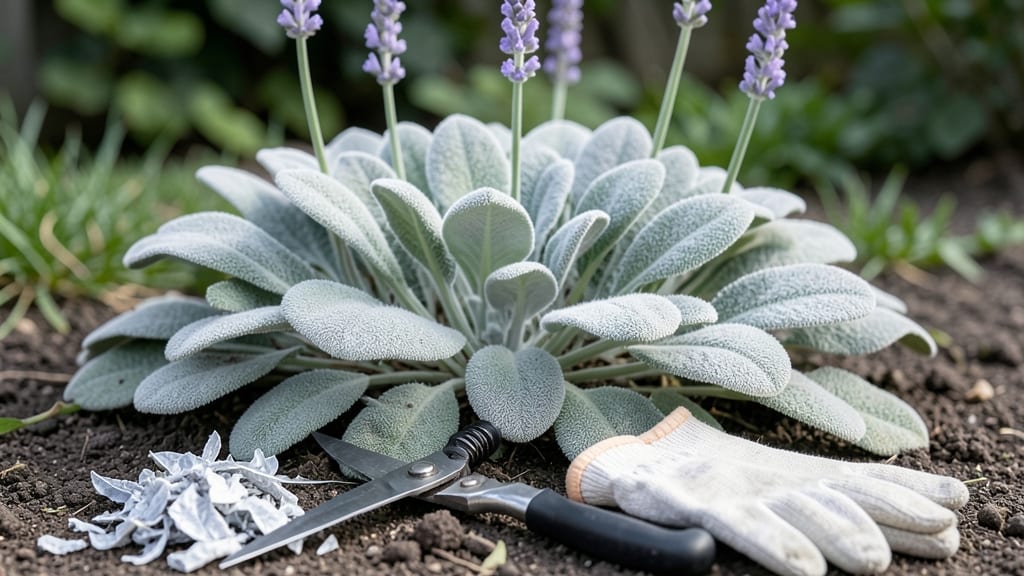
Pruning lamb’s ear transforms it from a floppy mess into a velvety, bushy showstopper. 🌿 I’ve watched this plant go from sad and leggy to a fuzzy green cloud—all by following three simple steps. The key is timing, sharp tools, and knowing exactly where to cut.
You’ll need just three things: clean pruners, gloves (to protect your hands from those silky leaves), and a sunny day. The best time to prune is early spring or right after flowering, when the plant’s energy shifts from blooms to new growth.
This is when it’s most eager to bounce back. After a good pruning, you’ll see new shoots within weeks—thicker, fuller, and covered in that signature lamb’s ear texture. The plant stays compact, resists powdery mildew better, and blooms more prolifically.
It’s like hitting the reset button on a favorite sweater—fresh, soft, and ready for another season. For container plants, you can prune more aggressively. Just avoid cutting into the woody stems at the base, or you’ll stunt the plant’s ability to recover.
Now grab those shears—your lamb’s ear is about to look its best yet!
📚 In This Guide
- What you need
- Instructions
- Tips and common mistakes
- Wrapping up and next steps
What you need
- ● Pruning shears or sharp bypass pruners – Choose sterilized, sharp tools (bypass pruners are gentler on stems). A 5- to 7-inch pair works best for most plants.
- ● Gloves – Opt for gardening gloves (nitrile or leather) to protect your hands from fuzzy leaves and potential irritants.
- ● Disinfectant (70% isopropyl alcohol or bleach solution) – Clean tools between cuts to prevent disease spread (1 part bleach to 9 parts water).
- ○ Garden twine or plant ties (optional but helpful) – Useful for securing leggy stems after pruning.
- ● Watering can or hose with a gentle spray nozzle – Lamb’s Ear needs moderate moisture post-pruning (avoid soggy soil).
- ○ Compost or well-aged manure (optional) – A 1-inch layer around the base encourages regrowth.
- ● Plant food (balanced 10-10-10 or slow-release granules) – Apply 2–3 weeks after pruning to boost recovery.
- ● Mulch (straw or shredded bark) – Helps retain moisture and suppress weeds.
- ● Plant support stakes – Useful if your Lamb’s Ear is top-heavy after a hard prune.
- ● Camera or phone – Snap before/after photos to track progress! 📸
Step-by-Step guide to pruning lambs ear for full, fluffy growth
Lambs ear thrives when you prune it just right—here's how to keep those velvety leaves lush all season long.
🌿 Step 1: Identify and Remove Dead or Damaged Foliage
Start by inspecting your lambs ear plants for any leaves that look brown, crispy, or completely dried out. These are your first targets—they won’t bounce back and just take energy from healthier growth. I like to use my fingers to gently pinch off dead leaves at their base, but clean pruning shears work too if the stems are woody.
Watch for leaves that feel brittle or have holes from pests. These are signs of stress or disease, and removing them prevents the problem from spreading. You’ll know you’re doing it right when you’re left with only leaves that feel soft, flexible, and still have that signature fuzzy texture. Real talk: if a leaf looks sad, it probably is.
✂️ Step 2: Cut Back Overgrown or Leggy Stems
Lambs ear tends to get leggy when it doesn’t get enough light, and those long, bare stems ruin the plant’s neat appearance. Use sharp pruning shears to trim back any stems that have lost their lower leaves or are stretching too far from the center. Cut just above a set of healthy leaves or a leaf node—this is where new growth will sprout.
Here’s the thing—you don’t need to be perfect. If you accidentally cut into a leaf, don’t stress. Lambs ear is tough and will recover quickly. Aim to shape the plant so it looks full and rounded, not sparse or top-heavy. This is the moment that matters: a well-pruned lambs ear will reward you with dense, velvety foliage within weeks.
🌱 Step 3: Encourage Bushier Growth with Strategic Trimming
To keep your lambs ear looking its best, focus on pinching back the tips of new growth when they reach about 3-4 inches. This might sound counterintuitive—why cut off the freshest leaves?—but it forces the plant to branch out and grow bushier. Use your fingers or small pruning shears to snip just above a leaf node where you want new growth to start.
I like to do this every 4-6 weeks during the growing season, especially in spring and early summer. You’ll see the difference in just a few weeks: instead of tall, sparse stems, you’ll have a compact, lush plant that looks like it was designed for a cottage garden. Don’t skip this (I learned the hard way—once I let mine get too leggy, and it took months to recover).
☀️ Step 4: Water and Fertilize After Pruning
After pruning, give your lambs ear a good drink of water to help it recover. The roots need moisture to support new growth, especially if you’ve cut back a lot of foliage. Water deeply until it drains out the bottom of the pot or soil, then let the top inch dry out before watering again. Overwatering now can lead to root rot, so don’t drown it.
If your plant looks a little tired after pruning, give it a light dose of balanced fertilizer (like a 10-10-10) to encourage fresh growth. I like to fertilize right after pruning because the plant is already focused on recovering, and the nutrients give it a little boost. Within 2-3 weeks, you should see new leaves emerging—watch for that fuzzy texture to return, and you’ll know you’re on the right track.
Tips & tricks for pruning lambs ear
Common pruning mistakes can turn your fuzzy friend into a sad, sparse shadow of its former self. Here's what I've learned from years of over-trimming and under-trimming to keep my lambs ear looking like a velvety cloud.
Timing is Everything: The 4-6 week interval for strategic trimming in Step 3 isn't arbitrary—it matches lambs ear's natural growth cycle. I've found that pruning right after a growth spurt (when new leaves reach 3-4 inches) gives the plant time to recover before the next round. This timing creates that perfect balance between shaping and stressing the plant. Confession: I skipped this timing once and ended up with a plant that looked like it had been dragged through a hedge.
Tool Selection Matters: While fingers work for most pruning, don't underestimate the value of clean pruning shears for Step 2. I've ruined perfectly good stems trying to pinch off leggy growth with my nails—sharp shears make clean cuts that heal faster. For the 3-4 inch pinching in Step 3, I actually prefer small pruning shears over fingers because they give me more control and prevent accidental damage to the main stem.
Visual Cues for Healthy Growth: When you're checking for dead foliage in Step 1, look for these three telltale signs: leaves that feel brittle (like dry paper), leaves with holes or brown spots, and stems that look hollow or mushy inside. Healthy leaves should feel soft, flexible, and have that signature velvety texture all the way through. I've learned to trust my fingers more than my eyes—if a leaf feels wrong, it probably is.
Post-Pruning Care: The 2-3 week window for new growth in Step 4 is when lambs ear is most vulnerable. I've found that combining deep watering with a light fertilizer application (like 10-10-10) right after pruning gives the plant exactly what it needs to bounce back. The key is to water deeply but not soggy—think "drink until it's satisfied but not drowning." This combination has saved my plants from looking wilted after aggressive pruning sessions.
Pro Tips for Pruning Lambs Ear
- Common pruning mistakes can turn your fuzzy friend into a sad, sparse shadow of its former self.
- Timing is Everything: The 4-6 week interval for strategic trimming in Step 3 isn't arbitrary—it matches lambs ear's natural growth cycle.
- Tool Selection Matters: While fingers work for most pruning, don't underestimate the value of clean pruning shears for Step 2.
Frequently asked questions
Got questions about pruning Lamb’s Ear? You’re not alone! Here are some of the most common concerns—and straightforward answers—to keep your fuzzy plants thriving.
When is the best time to prune Lamb’s Ear?
Prune in early spring (just before new growth) or late summer (after flowering). Avoid heavy pruning in winter, as the plant is dormant. Light trimming to shape can happen anytime, but major cuts stress the plant if done at the wrong time.
How much should I cut back?
For rejuvenation, trim back 1/3 to 1/2 of the plant to encourage bushier growth. For shaping, snip just the tips or leggy stems. Never cut more than 50% in one session—this can harm the plant’s root system.
My Lamb’s Ear looks sad after pruning. What went wrong?
If leaves yellow or wilt, you may have over-pruned or stressed the plant. Ensure it’s in well-draining soil and water lightly until new growth appears. Avoid fertilizing right after pruning—wait 4–6 weeks to let it recover.
Can I propagate Lamb’s Ear from cuttings?
Yes! Take 4–6 inch cuttings from healthy stems, remove lower leaves, and dip in rooting hormone. Plant in moist potting mix and keep humid (use a plastic bag) until roots form (3–4 weeks). Perfect for expanding your collection!
Are there pests to watch for after pruning?
Pruning can attract aphids or spider mites if the plant is stressed. Inspect leaves regularly and spray with neem oil or insecticidal soap if needed. Keep your garden clean to prevent infestations.
Still stumped? Drop your question in the comments—we’re happy to help your Lamb’s Ear bounce back faster than a lamb on a trampoline!
Wrapping up and next steps
Pruning lamb’s ear isn’t just about tidying up—it’s about unlocking its full potential for stunning, velvety growth! 🌿 With the right tools, timing, and technique, you’ll transform thin, leggy plants into lush, bushy beauties that steal the show.
Remember, consistency is key, and a little patience goes a long way.
Ready to give your lamb’s ear the TLC it deserves? Start small—pick one plant to practice on, then expand your skills. Before you know it, your garden will be overflowing with plush, fuzzy foliage that’s the envy of the neighborhood. Happy pruning!