
Pruning
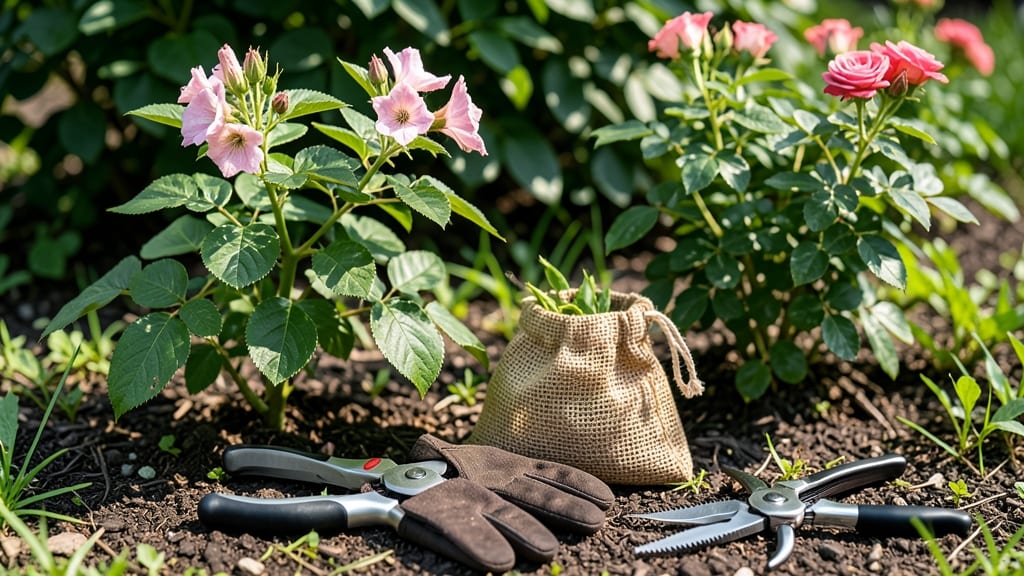
Pruning wine grapes, roses, and weigela transforms scraggly plants into bushy, blooming powerhouses—but timing and technique make all the difference. 🌿 I’ve spent years perfecting my approach, and the results—thicker canes, more flowers, and fewer diseases—speak for themselves.
These three plants need different care, but the core principle is the same: prune to encourage growth where you want it, not where it’s already crowded.
The secret isn’t just cutting back—it’s understanding when each plant wakes up and how it responds. Wine grapes need their pruning in dormant season (late winter), roses bloom best with a mix of winter and summer trims, and weigela thrives when you prune right after flowering.
Grab your loppers, sanitize them with rubbing alcohol, and get ready to shape plants that’ll reward you with vibrant blooms and bumper harvests.
You’ll end up with wine grapes that produce concentrated, flavorful clusters, roses that burst with color instead of leggy stems, and weigela bushes so full they look like living clouds. The best part?
Fewer dead branches, better airflow, and plants that bounce back faster from pests and diseases. It’s not just about looks—it’s about long-term health that keeps these plants thriving for decades.
Works for backyard gardens, small urban spaces, or even container growing—just adjust your tools and timing to fit your climate. Whether you’re tackling a sprawling vine or a compact weigela, this calendar keeps you on track. Let’s get those shears sharp and those plants flourishing!
📚 In This Guide
- What you need
- Instructions
- Tips and common mistakes
- Wrapping up and next steps
What you need
- ● Pruning shears: Bypass pruners (for clean cuts on small stems, 5–7 inches long). Pro tip: Sharpen blades annually!
- ● Loppers: 8–12 inch bypass loppers (for thicker branches, ½–1½ inches in diameter).
- ● Pruning saw: Curved-tooth saw (for stubborn, woody stems over 1½ inches thick).
- ● Gloves: Heavy-duty leather or nitrile-coated gloves (to protect hands from thorns and sharp edges).
- ● Disinfectant: 70% isopropyl alcohol or bleach solution (1 part bleach to 9 parts water) to sterilize tools between cuts.
- ○ Pruning sealant: Optional for large cuts on wine grapes or weigela (e.g., tree wound pruning paste).
- ● Twine or rubber tree ties: For supporting weak branches (especially in roses or young weigela).
- ● Trash bags or bucket: For collecting pruned debris (1–2 large bags per session).
- ● Ladder or step stool: If plants exceed 6 feet in height (ensure it’s stable and non-slip).
- ● Notebook & pen: To sketch pruning plans or mark growth notes.
- ● Check the last frost date in your zone for timing-sensitive pruning (e.g., roses and weigela).
- ● Review your plants’ growth habits—wine grapes, roses, and weigela each have unique pruning needs!
- ● Gather weather-friendly gear: Sunglasses, sunscreen, and a hat for sunny days.
Instructions: year-round pruning for wine, roses, and weigela
Here's the seasonal pruning system I've used for decades to keep these three plants thriving.
⏰ Step 1: Late Winter Pruning (Dormant Season)
This is the most critical time—when plants are still dormant but buds are swelling. For all three, start by removing any dead, diseased, or crossing branches first. Use sharp bypass pruners to make clean cuts at a 45-degree angle just above an outward-facing bud. I always prune wine and roses down to about 1/3 of their height—this encourages strong new growth from the base.
Weigela deserves special attention here. Look for branches that grow inward or rub against each other—these compete for energy and should be cut completely. The goal is to create an open center that allows light and air to circulate. Remember, you can't over-prune weigela in winter—it's more forgiving than roses or wine grapes.
After pruning, I spray all cuts with a 1:9 hydrogen peroxide solution (1 part 3% hydrogen peroxide to 9 parts water) to prevent disease entry. This step is non-negotiable in humid climates where fungal infections spread rapidly. For wine grapes, I also remove any suckers growing from the base—they drain energy from the main vines.
☀️ Step 2: Early Spring Pruning (Just Before New Growth)
Timing is everything here—wait until you see swollen buds but before any green shoots appear. For roses, I focus on shaping the plant by cutting back last year's growth to just above an outward-facing bud. This creates the classic rose bush shape while encouraging blooms on new wood.
Wine grapes need a different approach. After the initial winter pruning, I do a second cut in early spring to remove any water sprouts (shoots growing from the trunk) and any growth that's too weak to bear fruit. Leave only 2-4 strong canes per vine, cutting them back to 4-6 buds from the base. This ensures the plant puts energy into fruit production rather than excessive foliage.
Weigela benefits from a light pruning at this stage too—just enough to remove any deadheads from last year's blooms and thin out crowded branches. I never cut more than 10-15% of the plant's total growth at this stage, as weigela flowers on both old and new wood, and aggressive pruning can reduce next year's blooms.
✂️ Step 3: Summer Pruning (Ongoing Maintenance)
This is where most gardeners go wrong—they stop pruning after spring. But summer pruning keeps plants healthy and encourages continuous blooming. For roses, I deadhead spent blooms by cutting back to the first five-leaflet leaf below the bloom. This simple step prevents the plant from putting energy into seed production and encourages more flowers.
With wine grapes, summer pruning is about thinning fruit clusters. Remove any clusters that are smaller than a quarter-sized ball—these won't ripen properly. Also, cut out any shoots growing from the fruit zone (the area where fruit clusters form) to redirect energy to the remaining fruit. This is the secret to larger, sweeter grapes.
Weigela needs minimal summer pruning, but I still remove any branches that grow more than 12 inches beyond the plant's natural shape. I also pinch back the tips of new growth to encourage bushier, more compact plants. The key is to work gradually—never remove more than 20% of the plant's total growth in any one session.
🌿 Step 4: Fall Pruning (Preparing for Winter)
Fall is about cleanup and preparation. For roses, I remove all dead foliage and any branches that died back during the summer. I also cut back hybrid teas and floribundas by about one-third to reduce the weight of snow and ice. For climbers, I tie them to their supports and prune any branches that grew beyond the allotted space.
Wine grapes need a final light pruning in fall to remove any shoots that grew from the trunk (called "basal shoots") and any suckers that appeared during the summer. I also cut out any weak or diseased canes—these won't survive the winter and could harbor pests. Leave the main canes intact, as they'll bear fruit next year.
Weigela gets a light trim in fall to remove any dead or diseased branches. I also cut back any branches that grew too long during the summer, but I never prune more than 10% of the plant's total growth. This ensures the plant has enough energy to establish roots before winter. After pruning, I apply a 2-inch layer of mulch around the base to protect the roots from freezing temperatures.
Tips & tricks for perfect year-round plant pruning
Took me years to perfect this seasonal system—here's what actually makes the difference between healthy plants and struggling ones.
Tool Prep: Always disinfect your pruners between cuts using a 1:9 hydrogen peroxide solution (1 part 3% hydrogen peroxide to 9 parts water). I keep a small spray bottle handy for quick cleanups. This prevents disease spread, especially when working with multiple plants. For wine grapes, I also sharpen my pruners regularly—they need to cut cleanly through woody canes without tearing.
Seasonal Timing Secret: The key to each seasonal pruning is watching for specific plant signals, not just following calendar dates. In late winter, look for swollen buds on wine grapes and roses—this is your cue. For weigela, check for signs of new growth starting. In early spring, wait until you see swollen buds but before green shoots appear. Summer pruning should happen immediately after blooms fade, and fall pruning should finish before the first hard frost.
Structural Balance: When pruning roses and wine grapes in Step 1, aim to create an open center that allows sunlight to penetrate all the way to the base. For roses, this means cutting back to about one-third of their height while maintaining an outward-facing bud. With wine grapes, leave only 2-4 strong canes per vine, cutting them back to 4-6 buds from the base. This structural approach prevents disease and encourages vigorous new growth from the base.
Weigela Special Care: Remember, weigela is more forgiving than roses or grapes, but it still needs attention. In late winter, focus on removing crossing branches to create that open center. In summer, only prune back branches that exceed 12 inches beyond the plant's natural shape. The key is gradual pruning—never remove more than 20% of the plant's total growth in any one session. This ensures continuous blooming while maintaining plant health.
Pro Tips for Pruning Wine And Roses Weigela
- Took me years to perfect this seasonal system—here's what actually makes the difference between healthy plants and struggling ones.
- Tool Prep: Always disinfect your pruners between cuts using a 1:9 hydrogen peroxide solution (1 part 3% hydrogen peroxide to 9 parts water).
- Seasonal Timing Secret: The key to each seasonal pruning is watching for specific plant signals, not just following calendar dates.
Frequently asked questions
Got questions about pruning wine grapes, roses, and weigela? You're not alone! Here are some of the most common queries—plus straightforward answers—to help you trim with confidence.
When is the best time to prune wine grapes, roses, and weigela?
Timing varies by plant:
- Wine grapes: Prune dormant season (late winter/early spring, before buds swell).
- Roses: Hybrid teas/climbers: late winter/early spring. Shrub roses: late winter or after blooming.
- Weigela: Late winter or early spring, before new growth starts.
Pro tip: Avoid pruning in fall or during extreme cold—it stresses plants and invites disease.
Can I prune all three plants at the same time?
While late winter/early spring is ideal for all, focus on one type at a time for precision. Wine grapes need careful cane selection, roses require shaping, and weigela benefits from deadheading spent blooms. Multitasking can lead to mistakes—especially with grapes, where improper cuts reduce yield.
What if I missed the ideal pruning window? Can I still trim?
Yes! Light pruning (removing dead/diseased wood) is safe year-round. For roses, deadhead spent blooms to encourage new flowers. For weigela, trim back leggy stems in summer to shape. Just avoid heavy pruning in fall or during bloom cycles—it disrupts growth.
How do I prune wine grapes for better harvests?
Focus on these key steps:
- Remove weak, crossing, or inward-growing canes.
- Retain 4–6 strong, outward-facing canes per vine.
- Cut canes to the fruit zone (bud union or 2–3 buds from the base).
- Thin clusters post-bloom to improve fruit quality.
Bonus: Sterilize tools with rubbing alcohol between cuts to prevent grapevine diseases like powdery mildew.
Why does my weigela look messy after pruning?
Weigela blooms on old wood, so aggressive pruning can reduce flowers. To fix:
- Prune no more than 1/3 of the plant annually.
- Cut back to just above a bud or lateral branch.
- Deadhead spent blooms in summer to encourage reblooming.
Watch for: Over-pruning may delay blooms by 1–2 years—patience is key!
Are there tools I can use instead of shears?
For precision, stick with bypass pruners (for small stems) or loppers (thicker branches). For wine grapes, a grapevine knife helps make clean cuts. Avoid hedge trimmers—they tear tissue and invite disease. For weigela/roses, hand pruners work best for detail.
Wrapping up and next steps
Mastering the art of pruning your wine grapes, roses, and weigela is all about timing, technique, and a little patience—just like nurturing a thriving garden! 🌿 With this year-round trimming calendar, you’re now equipped to coax stunning blooms, stronger vines, and healthier plants that’ll make your green space the envy of the neighborhood.
Ready to roll up your sleeves? Start by tackling one plant type at a time, then gradually expand your pruning prowess to the whole garden. Happy trimming—your plants will thank you with bountiful rewards!