
Pruning
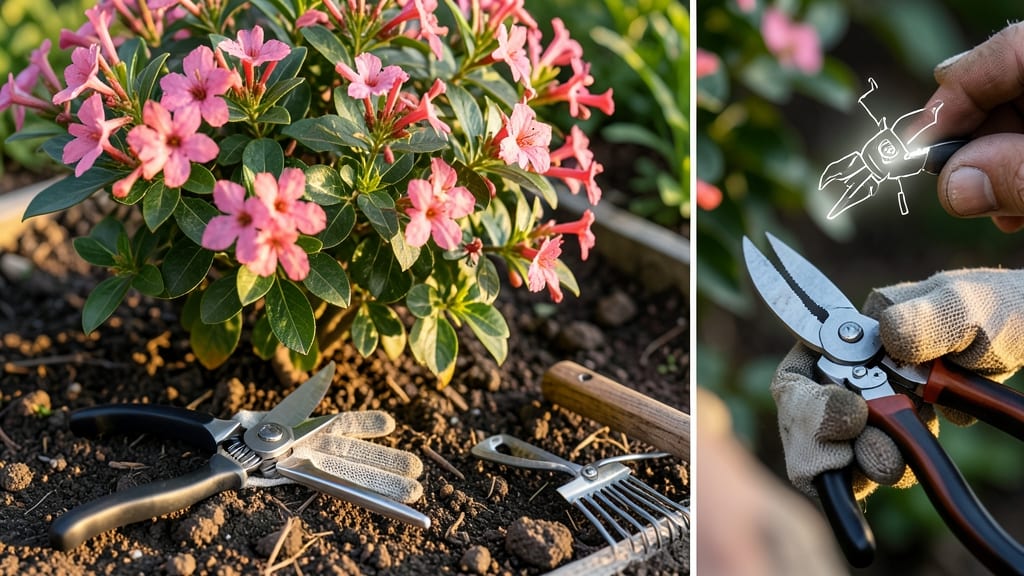
Late-winter is the perfect time to how to prune weigela to keep the bush small—this is how I transform my sprawling bushes into neat, flowering powerhouses every year. 🌿 The key lies in cutting back last year’s growth while encouraging fresh, bushier stems that’ll burst with blooms by spring.
I’ve pruned weigelas for over a decade, and this method keeps mine at a manageable 3-4 feet tall while doubling their flower production.
You only need a few tools: sharp pruning shears, gloves, and a bucket for clippings. The goal is to remove 30-50% of last year’s growth—focus on cutting just above outward-facing buds, about ¼ inch above where new growth will emerge.
This creates a natural framework for fuller branching. I always prune on a dry day when the plant is dormant, which minimizes stress and maximizes regrowth.
After pruning, your weigela will reward you with denser foliage and more abundant flowers by summer. The secret is patience—new growth takes about 4-6 weeks to establish, but the results are worth it.
I’ve seen weigelas that were once leggy and sparse transform into lush, bushy shrubs that become the star of my landscape. The best part? You’ll spend less time wrestling with overgrown branches in future seasons.
If you’re new to pruning, here’s my top tip: never cut into old, woody stems—they won’t regrow. And avoid pruning in fall, as new growth won’t harden off before winter.
With this method, your weigela will stay compact, healthy, and blooming beautifully for years to come. Ready to give it a try?
📚 In This Guide
- What you need
- Instructions
- Tips and common mistakes
- Wrapping up and next steps
What you need
- ● Bypass pruners – Sharp, high-quality bypass pruners (4-6 inch blades) for clean cuts on smaller stems (up to ½ inch thick). Example: Fiskars or Felco.
- ● Loppers – Bypass loppers (8-10 inch blades) for thicker branches (½ to 1½ inches). Look for ratcheting handles for extra leverage.
- ○ Pruning saw – A curved-tooth pruning saw for stubborn, woody stems (1½+ inches). Optional: A foldable saw for portability.
- ● Garden gloves – Heavy-duty, cut-resistant gloves (e.g., Mechanix or Wolverine) to protect hands from thorns and sharp edges.
- ● Disinfectant (70% rubbing alcohol or pruning sealant) – A small bottle to sterilize tools between cuts and prevent disease spread.
- ● Bucket or trash bag – For collecting pruned branches (5+ gallon capacity). Pro tip: Line with a plastic bag for easy disposal!
- ● Hand pruners (for fine-tuning) – Useful for shaping small branches or deadheading spent blooms.
- ● Pruning shears with anvil blades – Only for non-flowering stems (avoid on Weigela’s blooms).
- ● Ladder or step stool – If your Weigela is over 6 feet tall, a stable, 3-step ladder (e.g., Little Giant) is a game-changer.
- ● Plant food or compost – A balanced 10-10-10 fertilizer or compost to nourish the bush post-pruning.
- ● Choose the right time – Prune in late winter or early spring (before new growth starts) for best results.
- ● Weather check – Pick a dry, overcast day (avoid pruning in wet or freezing conditions).
- ● Safety first! – Wear long sleeves and closed-toe shoes to avoid scratches from thorns.
- ● Know your bush – Identify dead, diseased, or crossing branches before you start.
Step-by-step instructions for pruning weigela to maintain compact growth
Late-winter pruning is your secret weapon for keeping weigela bushes lush and small—here’s how to do it right.
✂️ Step 1: Identify and Remove Dead or Weak Branches
Start by scanning your weigela for branches that are dead, damaged, or crossing—these are your first targets. Dead wood is easy to spot: it’s brown, brittle, and doesn’t bend. Weak branches might be thin or show signs of disease like discoloration or odd growth patterns. Grab your pruning shears and cut these branches back to the main stem or ground level. This clears out clutter and lets your plant focus energy on healthy growth.
I like to work from the inside out—this way, I can see the structure better. If a branch is too thick for your shears, use a pruning saw. The goal here is to open up the center of the bush so light and air can circulate freely. You’ll notice how much brighter the center looks once you’ve removed the deadwood—this is your first sign of progress.
✂️ Step 2: Cut Back Last Year’s Growth to Encourage Compact Shape
Now it’s time to shape the bush. Weigela blooms on new wood, so you can prune back last year’s growth without worrying about losing flowers. Look for branches that grew too long or look leggy—these are the ones to trim. Cut each branch back to a bud or side branch that faces outward. This encourages the bush to fill out more densely rather than growing tall and sparse.
I aim to reduce the height by about one-third of the previous year’s growth. For example, if a branch grew to 3 feet last year, I’ll cut it back to 2 feet. This keeps the bush manageable while still giving it room to grow. Watch for where the buds are pointing—cutting just above an outward-facing bud ensures new growth will fill in the shape nicely.
✂️ Step 3: Thin Out Overcrowded Branches for Better Airflow
Next, focus on thinning out any branches that are growing too close together. Overcrowding leads to poor airflow, which can invite pests and diseases. Look for branches that are rubbing against each other or growing directly upward—these are the ones to remove. Cut them back to a strong, outward-facing branch or bud. You’re not just trimming for size here; you’re creating a healthier, more balanced bush.
I usually thin out about 20-30% of the total branches in this step. Don’t overdo it—you want to maintain the natural shape of the weigela while just opening it up a bit. After thinning, step back and take a look. The bush should look more open and less tangled. This is your cue that you’re on the right track.
✂️ Step 4: Clean Up and Apply Wound Treatment (Optional)
Once you’ve finished pruning, take a moment to clean up any small twigs or debris left on the ground. This keeps your garden tidy and reduces the risk of pests or diseases hanging around. If you notice any large cuts that look jagged, you can apply a wound dressing (like pruning sealant) to protect the plant. However, many gardeners skip this step—weigela heals well on its own, and sealant isn’t always necessary.
Finally, give your weigela a light watering if the soil feels dry. This helps the plant recover from the pruning and encourages new growth. You’ll know you’ve done a good job when the bush looks fuller, more open, and ready to burst into bloom come spring. Keep an eye on it over the next few weeks—you’ll see fresh, vibrant growth filling in the spaces you’ve created.
Tips & tricks for pruning weigela to maintain compact growth
Late-winter pruning transforms your weigela from a wild tangle to a tidy, blooming beauty—here’s how to nail it.
Timing is Everything: Late winter is the perfect window because weigela blooms on new wood, so you won’t sacrifice next year’s flowers. Aim for just before buds swell—typically between late February and early March in most climates. This timing gives your plant the whole growing season to recover and fill out beautifully. If you prune too early, you risk cold damage; too late, and you’ll cut off potential blooms.
Tool Selection Matters: Use sharp, clean pruning shears for branches up to pencil-thick, and a pruning saw for anything larger. Dull blades crush stems instead of making clean cuts, which stresses the plant. I keep a small bottle of rubbing alcohol handy to wipe down my tools between cuts—this prevents spreading any potential diseases from branch to branch. A pair of gloves also helps protect your hands from thorns and sap.
Shape with Purpose: When cutting back branches in Step 2, visualize the bush you want. Aim for a slightly rounded shape with a natural, open center—this allows sunlight to reach all parts of the plant. For each cut, look for the outward-facing bud just above where you’re cutting; this ensures new growth will fill in gaps rather than grow inward. Think of it like sculpting: every cut should serve a purpose in creating that compact, lush look.
Post-Pruning Care: After finishing, don’t just toss the clippings—chop them into smaller pieces and scatter them around the base of the plant. This mulch helps retain moisture and adds nutrients back to the soil as it breaks down. I also give my weigela a light watering if the ground feels dry, which helps the plant recover from the pruning stress. Watch for new growth in the coming weeks—it’s the best sign you’ve done it right!
Pro Tips for Prune Weigela To Keep Bush Small
- Late-winter pruning transforms your weigela from a wild tangle to a tidy, blooming beauty—here’s how to nail it.
- Timing is Everything: Late winter is the perfect window because weigela blooms on new wood, so you won’t sacrifice next year’s flowers.
- Tool Selection Matters: Use sharp, clean pruning shears for branches up to pencil-thick, and a pruning saw for anything larger.
Frequently asked questions
Got questions about keeping your Weigela bush compact and blooming beautifully? Here are some of the most common concerns—and straightforward answers—to help you prune like a pro!
When is the best time to prune Weigela for a smaller size?
The ideal window is late winter or early spring, before new growth starts. This ensures you remove old wood (which blooms on last year’s growth) while shaping the bush. Avoid pruning in fall—it can stimulate tender new growth that won’t survive winter. Pro tip: If you miss late winter, prune right after flowering to maintain size, but expect fewer blooms that season.
How much can I cut back a Weigela bush to keep it small?
For a compact shape, aim to remove 1/3 of the oldest wood each year. Cut back 1/2 to 2/3 of the height of the tallest stems to the first set of healthy buds. Avoid over-pruning—never reduce more than 30% of the plant’s total foliage in one go. Warning: Heavy pruning (e.g., 50%+ of the bush) can stress the plant and reduce flowering.
Will pruning Weigela reduce its flowers?
Yes, but only if you prune at the wrong time. Weigela blooms on old wood, so pruning after flowering removes next year’s buds. To maximize blooms and size control, prune late winter (before buds swell) and lightly after flowering to trim leggy stems. Over time, this balance keeps your bush both small and floriferous!
What if my Weigela bush isn’t blooming after pruning?
Several factors could be at play:
- Pruned too late: Cutting back after flowering removes next year’s buds. Stick to late winter!
- Not enough sunlight: Weigela needs 6+ hours of sun daily to bloom. Relocate if needed.
- Underwatering or poor soil: Ensure well-draining soil and consistent moisture (but not soggy). Fertilize lightly in spring with balanced 10-10-10.
- Winter damage: If stems died back, prune dead wood in early spring and give it time to recover.
Are there alternatives to pruning for keeping Weigela small?
If pruning feels drastic, try these low-maintenance strategies:
- Plant in a container: Use a 15-gallon pot with root-pruning (trimming roots when repotting) to naturally limit growth.
- Choose dwarf varieties: Look for Weigela ‘Wine and Roses’ or ‘Mini-Bella’, which max out at 3–4 feet tall with minimal pruning.
- Thin out selectively: Instead of shearing, remove only the thickest, oldest stems at the base to open up airflow and reduce size gradually.
Wrapping up and next steps
Pruning your Weigela in late winter isn’t just about keeping it compact—it’s about unlocking its full potential for vibrant blooms and lush growth! 🌸 By following the right techniques, you’ll encourage healthier stems, better airflow, and a bush that stays manageably small while still stealing the show in your garden.
Start with confidence, and soon you’ll be the go-to gardener for neat, thriving Weigela bushes that neighbors envy.
Now that you’re armed with the know-how, grab those pruners and give it a try—your Weigela will thank you with bursts of color all season long! Need a refresher? Bookmark this guide or jot down your notes for next year’s pruning session. Happy gardening! 🌿✨