
Pruning
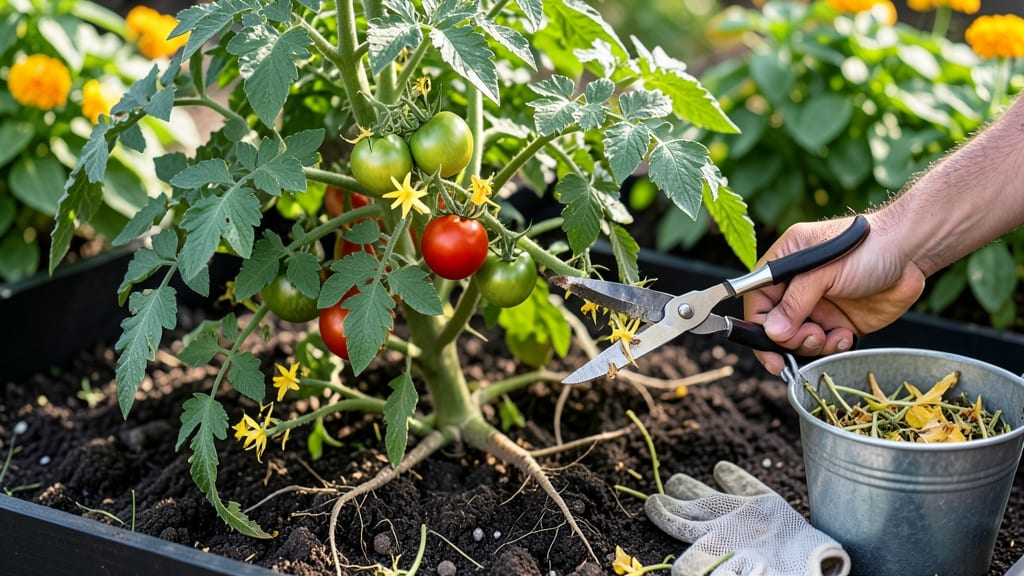
Your overgrown tomato plants aren't hopeless—they're just waiting for the right cuts. ✂️ I've turned tangled vines into productive bushes by focusing on strategic pruning that boosts next season's harvest instead of just tidying up.
The key is timing, technique, and knowing which growth to keep (and which to sacrifice for bigger fruit). You'll need sharp pruners, rubbing alcohol for sterilizing, and a sunny afternoon. Start by removing diseased leaves immediately—they're the real problem, not just the mess.
Then focus on suckers (those little shoots between stems) and crowded branches that block sunlight from reaching lower fruit. What you'll end up with is a plant that directs energy toward larger, healthier tomatoes instead of wasted growth.
The first pruning session takes 20-30 minutes but saves hours of frustration later when vines collapse under their own weight. This works for both indeterminate (vining) and determinate (bush) types—just adjust the aggressiveness. Here's how to do it without killing your plants or inviting pests.
📚 In This Guide
- What you need
- Instructions
- Tips and common mistakes
- Wrapping up and next steps
What you need
- ● Sharp pruning shears or bypass pruners: Choose sterilized, high-quality shears (e.g., Felco or Fiskars) with 4- to 6-inch blades to avoid crushing stems.
- ● Clean, sharp garden knife or razor blade: For precision cuts on smaller stems or suckers (sterilize with rubbing alcohol first!).
- ● Gloves: Wear gardening gloves (nitrile or leather) to protect against thorns and sap irritation.
- ● Disinfectant (70% isopropyl alcohol or bleach solution): Wipe tools between cuts to prevent disease spread (1 part bleach to 9 parts water).
- ● Twine or plant ties: 3–5 feet of jute or soft plastic twine (¼-inch width) to secure stems to stakes or trellises.
- ● Stakes or trellis system: 5–6-foot bamboo stakes or a tomato cage (4–5 feet tall) for indeterminate varieties.
- ● Garden twine or Velcro plant ties: 10–15 feet to anchor vines as they grow.
- ● Hose with gentle spray nozzle: For rinsing off sap or dust from tools.
- ● Compost bin or bucket: To collect pruned suckers for mulch or compost.
- ○ Plant growth regulator (optional): Products like Seaweed Extract or Bonide Fruit & Flower to encourage bushier growth post-pruning.
- ● Sunscreen & hat: Because tomato pruning is a marathon—protect yourself from the sun!
How to prune overgrown tomato plants for healthier growth
Here's the method I swear by to revitalize sprawling tomato plants and set them up for a stronger next season.
✂️ Step 1: Assess the Plant and Identify Problem Areas
Start by examining your tomato plant from all sides. Look for branches that are crossing or rubbing against each other—these will compete for sunlight and invite disease. You'll also spot leggy stems reaching skyward with no leaves or flowers. These are energy vampires, stealing nutrients from fruit production.
Focus on the lower third of the plant first. Any branches below the first 6-12 inches of the main stem should come out completely. These shaded stems rarely produce fruit and can harbor pests. Grab your pruning shears and make your first cuts here—you'll see an immediate difference in airflow and sunlight penetration.
✂️ Step 2: Remove Suckers and Weak Growth
Suckers are the small shoots that grow in the V-shaped junction between the main stem and a branch. These are your plant's way of trying to spread horizontally, but they drain energy from fruit production. Pinch them off with your fingers when they're still small—no need for shears yet.
Next, look for thin, spindly branches that look like they're struggling. These often grow upward but have no leaves or flowers. Cut these back to the nearest strong branch or leaf. You're not trying to strip the plant bare—aim to keep the structure open and airy. A good rule is to leave 3-4 main branches per plant for indeterminate varieties.
☀️ Step 3: Open the Canopy for Better Airflow
Now focus on the plant's interior. You want sunlight to reach all parts of the plant, not just the outer leaves. Cut back any branches growing inward or crossing over others. This isn't about removing leaves—it's about creating space. You'll see the plant's skeleton become more visible as you work.
For determinate tomatoes (the bushier types), you can be more aggressive with pruning. Cut back the top 1-2 inches to encourage bushier growth. For indeterminate varieties, avoid cutting the main stem—just focus on the side branches. You'll know you're doing it right when you can see sunlight reaching the center of the plant.
🌱 Step 4: Stimulate New Growth with Strategic Cuts
After removing the problematic growth, look for areas where you can encourage new, stronger branches. Just above a leaf node (where leaves attach to the stem), make a 45-degree cut about ¼ inch above the node. This encourages the plant to grow a new branch from that point, creating a more productive structure.
Don't worry if the plant looks a bit bare after pruning. Within 7-10 days, you'll see new leaves emerging from the cut areas. This is your plant's way of telling you it's happy and ready to focus its energy on producing fruit. Water the plant well after pruning to help it recover and reduce stress.
⏰ Step 5: Monitor and Maintain Through the Season
Pruning isn't a one-time job. Check your tomato plants weekly for new suckers or weak growth. A quick pinch or cut now prevents problems later. You'll also want to remove any leaves that touch the soil—these can rot and spread disease to the rest of the plant.
As the season progresses, focus on the fruit. Remove any small tomatoes that appear if your plant is struggling or if you're dealing with a disease outbreak. This might seem counterintuitive, but it helps the plant conserve energy for the remaining fruit. By the time harvest season rolls around, you'll have a plant that's not just surviving but thriving, with fewer diseases and more productive growth.
Tips & tricks for pruning overgrown tomato plants
These simple strategies will help you transform your sprawling tomato plants into productive powerhouses—without sacrificing next season's potential.
Timing is Everything: The best time to prune tomato plants is in the morning when the plants are well-hydrated and the air is cooler. This reduces stress on the plant and gives it time to recover before the heat of the day. I always schedule my pruning sessions for early morning after a good watering—this makes the cuts cleaner and helps the plant bounce back faster.
Tool Selection Matters: While you can pinch off suckers with your fingers, invest in a good pair of sharp pruning shears for larger cuts. Dull blades crush stems instead of making clean cuts, which can damage the plant and invite disease. I keep a small pair of bypass pruners in my gardening toolkit specifically for tomato maintenance—they make quick work of those stubborn branches.
Sterilize Your Tools: Before you start pruning, wipe down your shears with rubbing alcohol or a 10% bleach solution. This prevents spreading fungal spores or bacterial infections between plants. I make it a habit to sterilize my tools between each plant, especially if I've been working with diseased foliage earlier in the day. Clean tools mean healthier plants.
Prune for Airflow: The goal is to create an open structure that allows sunlight and air to circulate throughout the plant. When you're cutting back branches in Step 3, aim to leave at least 4-6 inches between branches. This spacing prevents humidity buildup in the center where diseases like blight thrive. You'll notice a dramatic difference in your plant's vigor after just one good pruning session.
Pro Tips for Pruning Overgrown Tomato Plants
- These simple strategies will help you transform your sprawling tomato plants into productive powerhouses—without sacrificing next season's potential.
- Timing is Everything: The best time to prune tomato plants is in the morning when the plants are well-hydrated and the air is cooler.
- Tool Selection Matters: While you can pinch off suckers with your fingers, invest in a good pair of sharp pruning shears for larger cuts.
Frequently asked questions
Got questions about pruning overgrown tomato plants?
You’re not alone! Here are answers to the most common concerns—from timing to troubleshooting—to help you prune like a pro and boost your harvest next season.
When is the best time to prune overgrown tomato plants?
Prune indeterminate tomatoes (like Sungold or Beefsteak) throughout the growing season, focusing on early spring and after fruiting begins. For determinate varieties (like Roma), minimal pruning is needed—just remove suckers or diseased leaves. Avoid heavy pruning late in the season, as it can stress plants before harvest.
How much can I prune without harming my tomato plants?
Never remove more than 1/3 of the plant’s foliage at once. For indeterminate tomatoes, aim to keep 3–4 main stems and prune suckers (side shoots) to 1–2 inches. Over-pruning reduces photosynthesis, weakening the plant. If your plant looks stressed, pause and let it recover before trimming more.
Will pruning reduce my tomato yield this year?
Not if done correctly! Pruning indeterminate tomatoes actually increases yield by directing energy to fruit production. Determinate varieties may see a slight dip in quantity but often produce larger, healthier tomatoes. Focus on removing diseased leaves or overcrowded branches to maximize airflow and fruit quality.
Can I prune tomato plants in hot or humid weather?
Avoid heavy pruning during peak heat (above 90°F) or high humidity, as it can invite pests or fungal diseases like blight. Opt for early morning or evening sessions on cooler days. If pruning is urgent, sterilize shears with rubbing alcohol and remove pruned material promptly.
What’s the best alternative if my tomato plant is already overgrown and leggy?
If pruning feels overwhelming, try selective trimming:
- Remove only diseased or yellowing leaves.
- Cut back overcrowded branches to improve airflow.
- Use cage supports or stakes to train vines upward.
Wrapping up and next steps
Pruning overgrown tomato plants isn’t just about tidying up—it’s your secret weapon for bigger, healthier harvests next season! 🌱 By mastering strategic cuts, you’ll boost airflow, redirect energy to fruit production, and keep pests at bay.
Remember, less is more: focus on removing suckers, thinning leaves, and shaping your plants with confidence.
Ready to transform your garden? Grab those pruners and start small—even one plant at a time makes a difference! Track your progress, experiment with techniques, and soon you’ll be the proud grower of tomatoes so plentiful, they’ll feed your neighbors too. Happy pruning!