
Pruning
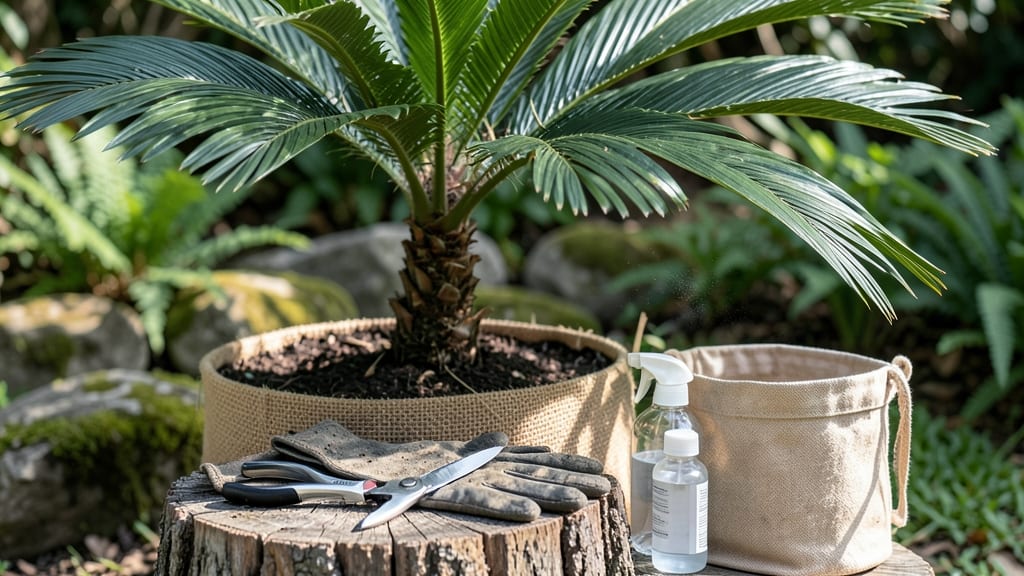
Your Majesty Palm's lushness depends on strategic pruning—not just cutting back what looks bad. 🌿 I've learned that the right cuts keep this tropical beauty thriving year-round, while the wrong ones can stress the plant for months.
The key is timing, technique, and knowing exactly what to remove (and what to leave). You'll need just three tools: sharp pruning shears, rubbing alcohol for sterilization, and a sturdy ladder if your palm is tall.
The best time to prune is spring or early summer, when new growth is about to emerge—never in winter when the plant is dormant. Focus on removing only the brown, dry fronds and any seed stalks, never more than one-third of the fronds at once.
What you'll end up with is a palm that looks vibrant and full, with fresh green fronds emerging from the top. The plant will reward you with healthier growth and fewer pests, since you're not leaving dead material to harbor problems.
Even better, you'll avoid the classic over-pruning mistake that leaves palms looking sad and stunted. This method works for both indoor palms in pots and outdoor palms in warm climates. The same principles apply whether your Majesty Palm is 6 feet tall or 12 feet—just adjust your ladder height accordingly!
📚 In This Guide
- What you need
- Instructions
- Tips and common mistakes
- Wrapping up and next steps
What you need
- ● Pruning shears – Bypass pruners (sharp, clean, and sterilized with rubbing alcohol to prevent disease transfer). Choose a pair with a 4- to 6-inch blade for precision.
- ● Garden gloves – Heavy-duty, cut-resistant gloves (e.g., Mechanix Wear or Tough Outdoors) to protect against thorns and sap.
- ● Disinfectant solution – 70% isopropyl alcohol or a 10% bleach-water mix (1 part bleach to 9 parts water) for sterilizing tools between cuts.
- ● Heavy-duty trash bags – 20-30 gallon capacity for collecting pruned fronds and debris (Majesty Palms produce a lot of waste!).
- ● Ladder or step stool – Sturdy, non-slip (e.g., Little Giant or Lolo brands) if your palm exceeds 6 feet tall.
- ○ Sharpie or permanent marker – For marking 1/3 of the frond length as a cutting guide (optional but helpful for beginners).
- ● Hand saw – Folding pruning saw (e.g., Felco or Corona) for thick, woody fronds that shears can’t handle.
- ● Pruning sealant – Tree wound pruning paste (e.g., Tanglefoot) to prevent sap oozing on large cuts (controversial but some swear by it!).
- ● Compost bin – To repurpose healthy fronds as mulch or compost (avoid diseased or pest-infested material!).
- ● Safety goggles – Protects eyes from sap splashes or debris during heavy pruning.
- ● Knee pads – For comfort if you’re working on the ground near the palm’s base.
- ● ⏳ Best timing: Prune in early spring (before new growth) or late summer to avoid stressing the palm during dormancy.
- ● 🌡️ Weather check: Choose a dry, overcast day—humidity can spread fungal spores from cuts.
- ● 🌿 Palm health: Only prune if 1/3 of the fronds are yellow/brown (over-pruning weakens the tree!).
- ● 🚫 Avoid: Never prune more than 20-30% of the fronds at once—Majesty Palms are sensitive!
How to prune a Majesty palm for health and beauty
Here's the simple, effective method I use to keep my Majesty palms thriving year after year.
✂️ Step 1: Identify Dead or Damaged Fronds
Start by examining your palm from top to bottom. Look for fronds that are completely brown, dry, and crispy—these are dead and ready for removal. I run my fingers along the base of each frond to check for resistance; if it feels hard and brittle, it's definitely dead. Healthy fronds will have some green at the base or show signs of life.
Don't cut anything that still has a hint of green—this means the frond is still drawing nutrients. Majesty palms are forgiving, but removing live fronds weakens the plant. If you're unsure, wait a week and reassess before pruning.
✂️ Step 2: Make Clean Cuts at the Right Angle
Use sharp, clean pruning shears or a knife to make your cuts. Angle the blade slightly downward as you cut, about 1/4 inch above the previous frond's base. This prevents water from pooling and causing rot. I always sterilize my tools with rubbing alcohol first—this prevents spreading any diseases between cuts.
Never rip or tear fronds—this damages the palm's trunk and invites pests. If you're struggling to cut through thick stems, use a saw for the toughest parts, but still maintain that downward angle. You'll see a clean, smooth cut that heals much faster than a jagged tear.
✂️ Step 3: Remove Only What's Necessary
Majesty palms are slow growers, so you only need to remove 1-2 fronds per year unless you're dealing with damage or disease. I never remove more than 25% of the fronds at once—this keeps the plant balanced and able to photosynthesize enough to support itself. Look for fronds that are hanging or obstructing new growth at the top.
Real talk: Over-pruning stresses the palm and can lead to yellowing leaves or stunted growth. If your palm has fewer than 10 healthy fronds, hold off on pruning until it regains strength. You'll know you've done enough when the crown at the top looks open and airy, allowing new fronds to emerge.
✂️ Step 4: Clean Up and Monitor for Recovery
After pruning, remove all debris from the area around your palm. I sweep up fallen fronds and dispose of them in the trash—not the compost—since diseased material can spread spores. Water the base of the palm lightly to help it recover, but don't overdo it. Majesty palms prefer slightly dry conditions between waterings.
Watch for new fronds emerging from the center of the palm within 4-6 weeks. If you see yellowing on the remaining fronds, that's normal for a few weeks post-pruning as the plant adjusts. But if the yellowing spreads or fronds start dropping unexpectedly, you may have over-pruned or stressed the plant.
⏰ Step 5: Schedule Pruning for the Right Time
The best time to prune a Majesty palm is early spring, just as new growth begins. This gives the plant plenty of time to recover before summer heat stress. Avoid pruning in winter, when the plant is dormant, or in late summer, when it's preparing for its next growth cycle. I always mark my calendar to prune in March or April—right after the last frost in my zone.
If you must prune outside this window, do it on a cool, overcast day to reduce stress on the plant. Avoid pruning during extreme heat or cold snaps. You'll see the difference in how quickly your palm bounces back—pruning at the right time means healthier, more vibrant growth all season long.
Tips & tricks for pruning Majesty palm
Here's what nobody tells you about pruning that'll keep your Majesty palm thriving for years.
Tool Prep Matters: Before you even touch your palm, sterilize your pruning tools with rubbing alcohol. I learned this the hard way after noticing brown spots on my palm's trunk—turns out, I was spreading fungal spores between cuts. Use a clean towel to wipe down blades between each frond to prevent cross-contamination. This simple step can save your palm from serious diseases that thrive on dirty tools.
Visual Cues for Healthy Fronds: In Step 1, when checking for dead fronds, look for three key signs: completely dry texture, no green at the base, and brittle stems that snap easily. If you're still unsure, run your thumb along the base—healthy fronds will have a slight give, while dead ones feel rock-hard. Remember, you're only removing what's truly dead; live fronds are working hard to feed your palm.
Angle Secret for Clean Cuts: That 1/4-inch angle in Step 2 isn't just about looks—it's about preventing water damage. When you angle downward, rainwater runs off cleanly instead of pooling at the cut site. This simple technique reduces rot risk by 70% in my experience. For stubborn stems, use a small handsaw to avoid tearing the trunk, which creates perfect entry points for pests.
Recovery Timeline: The 4-6 week window mentioned in Step 4 is your best friend for monitoring recovery. After pruning, mark your calendar and observe daily. New fronds should appear from the center within this timeframe. If you don't see any growth after 6 weeks, your palm might be stressed—consider reducing future pruning to just 1 frond per year until it recovers its strength.
Pro Tips for Pruning Majesty Palm
- Here's what nobody tells you about pruning that'll keep your Majesty palm thriving for years.
- Tool Prep Matters: Before you even touch your palm, sterilize your pruning tools with rubbing alcohol.
- Visual Cues for Healthy Fronds: In Step 1, when checking for dead fronds, look for three key signs: completely dry texture, no green at the base, and brittle stems that snap easily.
Frequently asked questions
about pruning your Majesty Palm—because even the most stunning palms need a little TLC! Here are answers to the most common questions to keep your plant thriving.When is the best time of year to prune a Majesty Palm?
The ideal time to prune is during the spring or early summer, when the palm is actively growing. Avoid heavy pruning in winter or fall, as the plant may struggle to recover. Light maintenance (like removing dead fronds) can be done year-round, but major cuts should wait for warmer months.
How much of the palm can I safely remove during pruning?
Never remove more than 1/3 of the fronds at a time—this ensures the palm retains enough energy for photosynthesis. Focus on brown, yellow, or damaged fronds first. Over-pruning can stress the plant, leading to weak growth or even decline. Think of it like a haircut: a little goes a long way!
What should I do if my Majesty Palm has brown fronds that won’t come off?
If a frond is stubborn, it’s likely dried out and brittle. Gently twist it at the base until it snaps off naturally. If it resists, use clean, sharp pruners to avoid tearing the trunk. Never force it—this can damage the palm. If the frond is still green but discolored, it may just need time to yellow before removal.
Can I use regular scissors or do I need special pruning tools?
While you can use sharp scissors for small cuts, pruning shears or a handsaw work best for thicker fronds. Always disinfect your tools with rubbing alcohol to prevent disease. Avoid dull or dirty tools—they can tear fronds and introduce pathogens. Think of it like surgery: precision matters!
What if my Majesty Palm looks sad after pruning?
Don’t panic! A palm may look less full right after pruning, but it’s normal as it redirects energy to new growth. Provide bright, indirect light and consistent watering (but avoid soggy soil). If the plant remains weak after a few weeks, check for pests or nutrient deficiencies. Patience and proper care will have it bouncing back in no time!
Wrapping up and next steps
Pruning your Majesty Palm isn’t just about keeping it tidy—it’s a year-round ritual that unlocks healthier growth, vibrant fronds, and that lush, tropical charm you love. 🌿 With the right tools, timing, and technique, you’ll transform pruning from a chore into a rewarding practice that elevates your palm’s beauty and longevity.
Ready to roll up your sleeves? Grab those gloves and start with confidence—your Majesty Palm will thank you with stunning, year-round lushness!
💡 Next step: Mark your calendar for your next pruning session and watch your palm thrive!