
Pruning
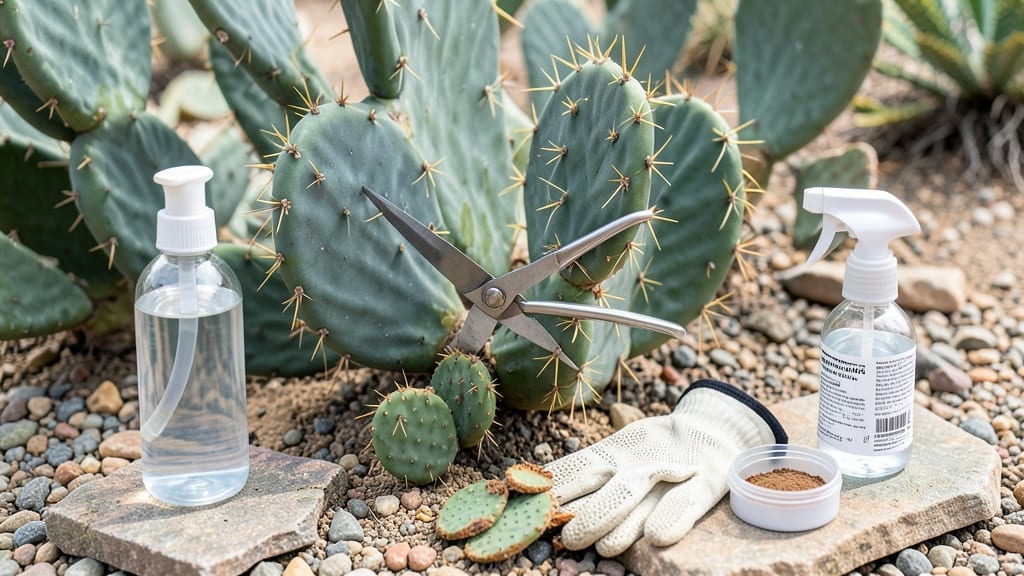
Pruning cactus plants isn't just about shaping them—it's about unlocking their full potential. ✂️ I've pruned everything from my prickly pear to a towering saguaro, and the right cuts make a world of difference in growth, health, and even propagation.
The key is timing: wait until after blooming season when the plant has stored energy, and avoid cutting during extreme heat or cold snaps. You'll need thick gloves, sterilized pruning shears, and a clean workspace to prevent infections.
Most cacti heal quickly, but the wrong cut can leave them vulnerable to rot or pests. I learned this the hard way with my first overzealous trim—now I take my time, making clean cuts just above a node where new growth can sprout.
After pruning, let the cut ends dry for a few days before planting offsets or storing cuttings. The parent plant will reward you with thicker stems, more blooms, and even pups ready for propagation. It’s like giving your cactus a fresh start while multiplying your collection.
This method works for indoor collections, greenhouse setups, and even outdoor desert landscapes. Just remember: patience and precision pay off in lush, vibrant growth that lasts year-round.
📚 In This Guide
- What you need
- Instructions
- Tips and common mistakes
- Wrapping up and next steps
What you need
- ● Pruning shears or sharp knife: Use sterilized tools (e.g., small bypass pruners or a utility knife) to avoid damaging the plant or spreading disease. ⚠️ Avoid dull tools—they crush tissue instead of making clean cuts!
- ● Rubbing alcohol (70% or higher): Sterilize tools before and after use to prevent bacterial/fungal infections.
- ● Gloves (thick, cut-resistant): Cactus spines are sneaky! Opt for leather or heavy-duty gardening gloves to protect your hands.
- ● Newspaper or cardboard: Lay this down to catch spines and debris while you work.
- ● Well-draining potting mix: For repotting cuttings, use a mix designed for succulents/cacti (e.g., 50% cactus soil + 50% perlite/pumice).
- ● Small pots or trays (2–4 inches deep): For propagating cuttings, ensure they have drainage holes.
- ● Hairspray or diluted honey: Dab on cut ends of cuttings to form a protective seal and reduce moisture loss.
- ● Rooting hormone (gel or powder): Boosts success rates for tricky-to-root varieties like Mammillaria or Echinocactus.
- ● Spray bottle with water: Lightly mist cuttings if your climate is very dry (but avoid soggy soil!).
- ● Magnifying glass: Helpful for spotting tiny spines or inspecting cuts on small cacti.
- ● Know your cactus: Research whether your plant is grafted (e.g., Christmas cactus) or ungrafted—pruning methods vary!
- ● Timing: Prune in spring or early summer (active growth phase) for best results.
- ● Patience: Some cacti (like Opuntia) heal slowly—wait 24–48 hours before watering cuttings.
Strategic cuts for healthier cactus plants: step-by-step pruning guide
Here's how I transform leggy, overgrown cacti into bushier, more vibrant plants through precise pruning.
✂️ Step 1: Identify the Right Time and Tools
Prune your cacti during their active growing season—typically late spring or early summer when temperatures stay between 70-85°F. This timing ensures the plant can heal quickly and regenerate new growth without stress. Avoid pruning in winter or extreme heat, as the plant needs energy to recover.
Use sterilized pruning shears or a sharp knife—never your hands. I always wipe the blades with rubbing alcohol before and after each cut to prevent bacterial or fungal infections. For larger cacti, a hacksaw works well, but always wear thick gardening gloves to protect against spines. Never use dull tools; they crush plant tissue instead of making clean cuts.
🌱 Step 2: Locate and Mark the Pruning Points
Examine your cactus for leggy growth or branches that are growing away from the main plant. These are your targets. Look for nodes—the small bumps or joints where new growth can emerge. Prune just above a node at a 45-degree angle to encourage bushier regrowth. Avoid cutting into the main stem unless you're propagating.
If your cactus has overcrowded growth, focus on removing the outermost branches first. This opens up the center for better airflow and sunlight penetration. I like to sketch a quick diagram of where I plan to cut—it helps visualize the final shape. Never remove more than one-third of the plant in a single session, or you risk shocking it.
💧 Step 3: Make Clean Cuts and Prevent Infection
With your sterilized tool, make a sharp, precise cut at the marked angle. For larger cuts, I press down firmly but steadily—don’t saw back and forth, as this tears the tissue. Immediately after cutting, let the wound air-dry for 2-3 days in a bright, shaded spot. This allows a protective callus to form, preventing rot.
Resist the urge to water the plant for at least 5-7 days after pruning. Dampness on fresh cuts invites fungal infections, which can turn into mushy, blackened tissue. If you notice any signs of infection—like yellowing or oozing—sprinkle cinnamon powder on the wound. It’s a natural antifungal that works wonders on cacti.
☀️ Step 4: Position for Recovery and New Growth
After the initial drying period, move your pruned cactus back to its normal light conditions. Most cacti thrive in full sun (6+ hours daily), but newly pruned plants benefit from morning sun and afternoon shade for the first week. This gradual reintroduction helps them adjust without sunburn.
Watch for new growth emerging from the nodes within 4-6 weeks. Healthy regrowth appears as small, firm buds that swell into new pads or branches. If you don’t see new growth after 8 weeks, your cuts may have been too severe, or the plant needs more light. Adjust accordingly—cacti are resilient, but they need patience.
⏰ Step 5: Maintain and Monitor Long-Term Health
Once your cactus has recovered, resume its regular care routine. Water deeply but infrequently—only when the soil is completely dry—and fertilize lightly with a balanced cactus fertilizer every 2-3 months during the growing season. Over-fertilizing can lead to weak, spindly growth, so less is always better.
Keep an eye out for pests like mealybugs or scale, which love stressed plants. Wipe down the cactus with a soapy water solution if you spot any signs of infestation. Pruning regularly—once a year for most species—keeps your cactus compact, healthy, and full of life. The key is consistency: a little attention now means fewer surprises later.
Tips & tricks for perfect cactus pruning
These precise techniques will help you transform overgrown cacti into thriving, bushier plants with minimal stress.
Seasonal Timing: The late spring to early summer window (when temperatures stay between 70-85°F) is non-negotiable for successful pruning. This aligns with your cactus's active growth phase when it can heal quickly. I've learned the hard way that winter pruning often leads to slow recovery or even rot—your plant needs energy to regenerate, and cold temperatures rob it of that capacity. If you must prune outside this window, wait until daytime temperatures consistently stay above 65°F.
Tool Preparation: Sterilization isn't just about cleanliness—it's about survival. I've seen pruning wounds turn black and mushy when bacteria gets introduced, so I double-check my tools: first wipe with rubbing alcohol, then let them air-dry completely. For the gloves, invest in thick cactus-specific ones—they'll save your fingers from painful spines while giving you better control. And here's a pro move: mark your pruning tools with a permanent marker to identify which ones are cactus-only, preventing cross-contamination with other plants.
Visual Pruning Guide: That 45-degree angle isn't arbitrary—it creates a larger surface area for callus formation while preventing water pooling that leads to rot. To visualize it perfectly, hold your tool at a 45-degree angle to a piece of paper first, then transfer that angle to your plant. For the nodes, think of them as growth hubs—each one has the potential to sprout new branches if given the chance. I like to count nodes from the base upward to ensure I'm cutting at the right spot, especially with larger cacti where visual landmarks can be tricky.
Recovery Environment: The bright, shaded spot for your 2-3 day drying period should have indirect light—think of it as a recovery room. Direct sunlight during this vulnerable phase can cause sunburn on fresh cuts. I've had success using a simple plastic plant propagator with ventilation holes for this stage. And remember: that 5-7 day water restriction isn't just about preventing infection—it's about letting the plant focus all its energy on healing rather than processing moisture.
Pro Tips for Pruning Cactus Plants
- These precise techniques will help you transform overgrown cacti into thriving, bushier plants with minimal stress.
- Seasonal Timing: The late spring to early summer window (when temperatures stay between 70-85°F) is non-negotiable for successful pruning.
- Tool Preparation: Sterilization isn't just about cleanliness—it's about survival.
Frequently asked questions
Got questions about pruning your cactus plants? Here are some of the most common ones—plus straightforward answers to help you keep your prickly pals thriving!
When is the best time to prune a cactus?
The ideal time to prune a cactus is during its active growth phase, typically in spring or early summer. Avoid pruning in winter or fall, as the plant may be dormant and more susceptible to rot or stress. If you must prune for safety (e.g., removing a broken pad), do so carefully and let it heal before the cooler months.
How do I prune a cactus without getting stabbed?
Safety first! Wear thick gloves (like gardening or leather gloves) and use long-handled tools to avoid direct contact. For small cacti, wrap them in a towel before cutting. If you’re working with large or spiky varieties, consider using tongs or a pruning hook to hold and trim. Pro tip: Work outdoors or in a well-ventilated area to minimize accidental pokes!
Can I propagate my cactus from pruned cuttings?
Pruned cactus pads or segments can root easily and become new plants. Let the cuttings dry for 1-3 days to form a callous, then place them on dry, well-draining soil (or perlite/sand mix). Avoid watering for a few weeks—just keep them in bright, indirect light. Most cacti will root in 2-6 weeks!
What should I do if my cactus starts rotting after pruning?
Rotting is usually a sign of overwatering or poor healing. If you notice soft, mushy spots, stop watering immediately and let the area dry out. Trim away any rotted tissue with a sterile knife, apply a thin layer of cactus/succulent soil or fungicide (like copper-based spray), and avoid watering for 2-3 weeks. Improve airflow around the plant to speed up recovery.
Do I need special tools to prune a cactus?
Not necessarily! A sharp, clean knife or pruning shears work well for most cacti. For larger or spiky varieties, invest in a pruning saw or long-handled lopper. Sterilize your tools with rubbing alcohol before and after use to prevent disease. A small brush can also help remove soil or debris before cutting.
Wrapping up and next steps
Pruning your cactus plants isn’t just about keeping them tidy—it’s a game-changer for their health, shape, and even propagation potential! 🌵✨ By mastering the right techniques, timing, and tools, you’ll encourage stronger growth, prevent overcrowding, and even snag new plants for your collection.
Remember, patience and precision are key, but the rewards—like vibrant blooms and lush pads—are totally worth it.
Ready to put your new skills to work? Start with one plant this season—pick a healthy cactus, gather your tools, and give it a trim. Before you know it, you’ll be a pruning pro, and your desert garden will thank you! 🌟