
Pruning
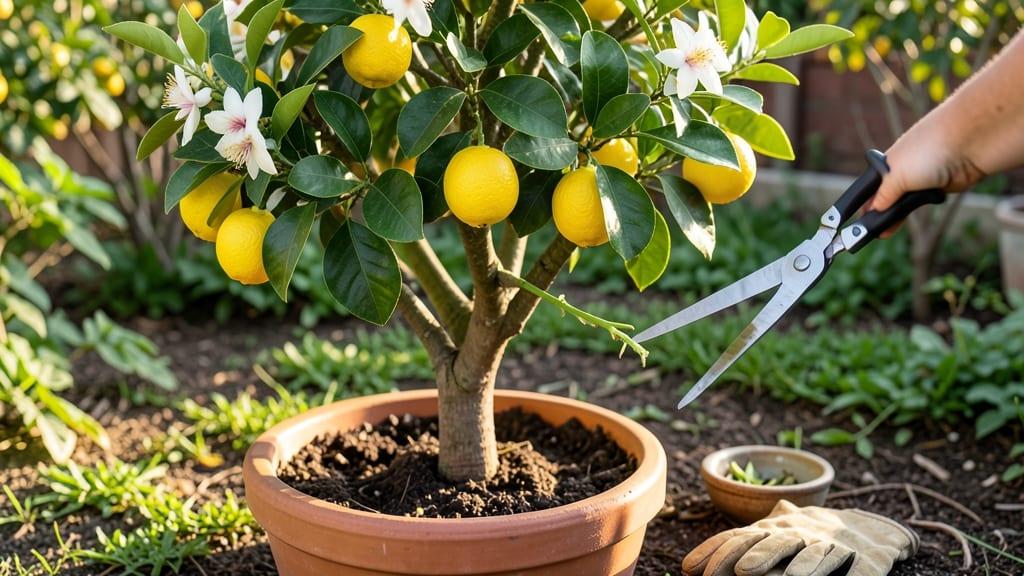
Pruning lemon trees in pots keeps them productive and compact—no more wrestling with overgrown branches that outgrow your patio. 🌿 I learned the hard way when my first potted lemon tree became a tangled mess, but the right cuts in the right season turned it into a tidy, fruit-bearing machine.
The key? Timing, tools, and knowing where to stop before you strip the tree of its energy.
You’ll need sharp pruning shears, a small saw for thicker branches, and a clean pair of gloves—citrus sap isn’t just sticky, it’s surprisingly messy. The best time to prune is late winter (just before new growth starts) and early summer (after harvest), but container-grown trees can handle light shaping anytime.
Focus on removing dead wood, crossing branches, and any growth that crowds the center—this keeps airflow flowing and prevents disease.
After pruning, your tree will bounce back with new, bushier growth within weeks. The secret? Never cut more than one-third of the tree at once, and always make clean cuts just above a leaf node.
Water deeply afterward, and give it a balanced citrus fertilizer to recover. You’ll see the difference in just a few months—thicker branches, more blooms, and fruit that’s easier to reach.
Container-grown lemon trees stay smaller naturally, but pruning keeps them neat and manageable. If your pot is small, prune more aggressively to control size—just don’t go overboard.
And remember: the goal isn’t just a pretty shape, but a fruitful tree that thrives in its limited space. Now grab those shears and let’s get to work!
📚 In This Guide
- What you need
- Instructions
- Tips and common mistakes
- Wrapping up and next steps
What you need
- ● Pruning shears: Bypass pruners (sharp, clean, and sterilized with rubbing alcohol to prevent disease). Size: 6–8 inches.
- ● Hand pruners: For smaller branches (avoid anvil-style—they crush stems). Quantity: 1 pair.
- ● Gloves: Heavy-duty gardening gloves (citrus sap can irritate skin). Material: Nitrile-coated for grip.
- ● Disinfectant: 70% isopropyl alcohol or a blank">copper fungicide (to sterilize tools between cuts).
- ○ Pruning sealant: Optional but helpful for larger cuts (e.g., blank">tree wound pruning paste).
- ● Loppers: For stubborn, thicker branches (if your lemon tree is mature). Size: 12–16 inches.
- ● Twine or plant ties: To support new growth after pruning.
- ● Compost or mulch: To replenish nutrients post-prune (citrus loves organic matter!).
- ● Notebook: To sketch your tree’s shape or track pruning dates.
- ● Spray bottle with water: To clean tools mid-session and keep cuts moist.
- ● Timing: Prune in late winter or early spring (just before new growth). Avoid heavy pruning in fall—it stresses the tree!
- ● Weather: Choose a dry, overcast day (wet conditions spread disease).
- ● Tree health: Only prune if the tree is healthy (no signs of pests/disease like aphids or root rot).
- ● Patience: Start small—especially with young trees! Over-pruning can stunt growth.
Step-by-step pruning Guide for compact lemon trees in pots
Here’s the method I’ve used for years to keep potted lemon trees lush, productive, and perfectly sized—no overgrowth, no bare branches.
✂️ Step 1: Time Your Pruning for Maximum Growth
Prune your lemon tree in late winter or early spring, just as new growth begins. This is when the tree naturally enters its active phase, and pruning stimulates bushier, more compact growth. Avoid pruning in fall or winter—this stresses the tree and can lead to weak new shoots. If you notice leggy growth or overcrowded branches during the growing season, do a light trim then, but save major shaping for spring.
Look for buds swelling along the branches—that’s your signal. These buds will become new leaves and flowers, so cutting just above them encourages fuller growth. I always carry a small magnifying glass to spot hidden buds on dense branches. Prune when temperatures are consistently above 55°F to prevent shock.
🌿 Step 2: Remove Dead, Sick, or Weak Wood First
Start by cutting out dead, diseased, or crossing branches—these compete with healthy growth and can harbor pests. Use clean, sharp pruners to make cuts at a 45-degree angle, about ¼ inch above an outward-facing bud. This angle helps water run off and prevents rot. If a branch is completely dead, cut it back to the main trunk or a strong lateral branch.
Watch for yellowing leaves, blackened stems, or branches with no leaves—these are red flags. I also remove any branches growing inward toward the center of the tree, as they’ll crowd the canopy and reduce airflow. Thin out branches that are too close together, leaving at least 6 inches of space between them for airflow and light penetration.
✂️ Step 3: Shape for Compact Growth and Airflow
Step back and visualize your tree’s ideal shape—usually a rounded, open center with branches spaced evenly. Start by cutting back the longest branches to encourage shorter, bushier growth. Aim to reduce branch length by no more than ⅓ in one session to avoid stressing the tree. For example, if a branch is 18 inches long, trim it to 12 inches.
Focus on lateral branches (side branches) rather than the main trunk. Cut just above a leaf node or bud that faces outward. Avoid leaving stubs—these can rot and invite pests. If you’re unsure where to cut, look for the small bump where a leaf or branch used to be—that’s your target spot. This method keeps the tree balanced and encourages flowering.
💧 Step 4: Post-Pruning Care for Strong Recovery
After pruning, water deeply to help the tree recover and reduce stress. The roots will need to support new growth, so avoid fertilizing for 4-6 weeks—this gives the tree time to focus on healing. Instead, apply a layer of mulch around the base (but not touching the trunk) to retain moisture and regulate soil temperature.
Place your potted lemon tree in a bright, indirect light spot for the first week, then gradually reintroduce it to full sun. Watch for new buds swelling within 2-4 weeks—this confirms the pruning worked. If you see yellowing leaves or wilting, it’s a sign of over-pruning or stress. Adjust by reducing future cuts and ensuring consistent watering.
⏰ Step 5: Maintain Year-Round with Light Trims
Once your lemon tree is shaped, do light maintenance pruning every 3-4 months to keep it compact. Trim back any overly long shoots or suckers (shoots growing from the base or trunk). These small adjustments prevent the tree from becoming top-heavy and encourage a fuller canopy. I also pinch off the tip of new growth in summer to promote branching—just snip the top ½ inch of soft, new shoots.
In late summer, give your tree a final check for spent flowers or fruit that didn’t develop. Remove these to redirect the tree’s energy into next year’s growth. Keep an eye out for new growth at the base—this is a sign your tree is happy and ready for another season of pruning. With consistent care, your potted lemon tree will stay small, productive, and full of life for years.
Tips & tricks for perfectly shaped potted lemon trees
These pro-level insights will help you avoid common pitfalls and keep your citrus companion thriving year after year.
Timing Secret: The late winter/early spring window is critical because that's when your tree's growth hormones kick into gear. I've learned the hard way—pruning too early in winter can shock the tree, while waiting too long means missing the optimal growth phase. If you're unsure about timing, check for those tiny swollen buds along the branches. They're your green light to prune. And remember, temperatures above 55°F are essential to prevent stress during the process.
Tool Technique: Never use dull pruners—they crush stems instead of making clean cuts. I invest in high-quality bypass pruners for their sharpness and precision. When making your cuts, always aim for a 45-degree angle about ¼ inch above an outward-facing bud. This angle helps water run off properly and prevents disease entry points. For larger branches, I use a small handsaw for clean cuts without tearing the bark.
Visual Guide: Step back frequently to assess your work. The goal is a rounded, open center that allows sunlight to reach all branches. I imagine a dome shape when pruning—this creates an ideal balance between air circulation and sunlight exposure. Pay special attention to the lower branches; they often get neglected but are crucial for a full, bushy appearance. Use a string or garden twine as a reference guide if you're unsure about spacing between branches.
Recovery Strategy: After pruning, don't rush to fertilize. The tree needs 4-6 weeks to recover and establish new growth. I've made the mistake of fertilizing too soon, which led to weak, leggy growth. Instead, focus on deep watering and mulching. Place your tree in bright, indirect light for the first week post-pruning, then gradually reintroduce it to full sun. Watch for those new buds swelling within 2-4 weeks—they're your confirmation that the pruning worked.
Pro Tips for Pruning Lemon Trees In Pots
- These pro-level insights will help you avoid common pitfalls and keep your citrus companion thriving year after year.
- Timing Secret: The late winter/early spring window is critical because that's when your tree's growth hormones kick into gear.
- Tool Technique: Never use dull pruners—they crush stems instead of making clean cuts.
Frequently asked questions
Got questions about pruning your potted lemon tree?
You’re not alone! Here are answers to the most common concerns—from timing to troubleshooting—to keep your citrus compact and thriving.
When is the best time to prune a lemon tree in a pot?
The ideal window is late winter or early spring (just before new growth starts). You can also do light pruning after harvest to encourage bushier growth. Avoid heavy pruning in fall—it stresses the tree before dormancy. For container-grown trees, year-round light pruning (removing dead or overcrowded branches) is fine!
How much can I prune a lemon tree in a pot?
For mature trees, trim back no more than 25-30% of the foliage in one session to avoid shock. Focus on:
- Dead, diseased, or crossing branches
- Suckers (shoots growing from the base or trunk)
- Overly leggy stems (cut just above a leaf node)
What if my lemon tree doesn’t bloom or fruit after pruning?
Lemon trees need balance—too much pruning (especially in summer) can delay flowering. If it’s not blooming:
- Ensure it gets 6+ hours of sunlight daily.
- Check for nutrient deficiencies (add citrus-specific fertilizer in spring).
- Wait until the tree matures (3+ years old) for consistent fruiting.
Can I prune a lemon tree in a pot during extreme heat or cold?
Avoid heavy pruning when temps are below 50°F (10°C) or above 90°F (32°C). These conditions stress the tree, slowing recovery. If you must prune in heat, do it early morning and water thoroughly afterward. For cold snaps, wait until temperatures stabilize—potted trees are more vulnerable to shock.
What’s an alternative if I don’t want to prune my lemon tree?
Pruning isn’t mandatory, but skipping it can lead to:
- Overcrowded branches (reducing airflow and fruit quality)
- Leggy, weak growth (less compact for pots)
- Higher pest/disease risk (from dense foliage)
Wrapping up and next steps
Pruning your potted lemon tree isn’t just about keeping it tidy—it’s the secret to healthier, more abundant fruit and a compact, thriving plant! 🌿 With the right tools, timing, and techniques, you’ll encourage lush growth while making maintenance a breeze.
Now that you’re armed with year-round pruning know-how, there’s no better time to roll up your sleeves and give your tree the care it deserves.
Ready to see the difference? Pick a sunny day, grab your pruners, and start shaping your lemon tree today! Your future harvest (and happy plant) will thank you. 🍋✨