
Pruning
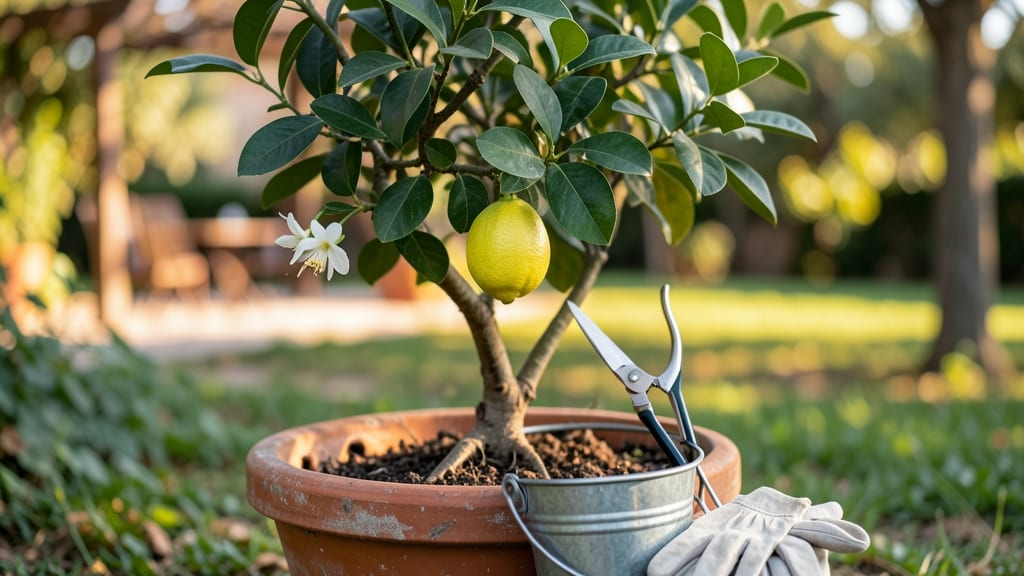
Pruning your container lemon tree in winter transforms it from a wild tangle into a productive, compact powerhouse—and it’s easier than you think. 🌿 I’ve turned my 3-foot-tall citrus tree into a well-shaped, fruit-heavy beauty by following this dormant-season method, and you can too.
The key? Cutting at the right time and in the right way to encourage next year’s growth while keeping your tree manageable in its pot.
You’ll need just three tools: sharp pruning shears, rubbing alcohol (to sterilize cuts), and a small bucket for clippings. Timing is everything—prune after the last frost but before new growth starts, usually between late February and early March in most zones.
This dormant-season approach minimizes stress and lets your tree focus energy on fruit production instead of repairing damaged branches.
Start by removing any dead, crossing, or crowded branches first—these are the easy wins. Then, cut back last year’s growth by about one-third, shaping the tree into an open vase form. This lets sunlight reach the center and air circulate, which means fewer diseases and more lemons.
After pruning, give your tree a light fertilizer boost to support new growth, and watch it reward you with bigger blooms and sweeter fruit next season.
Container-specific challenges? No problem. If roots are circling the pot, gently tease them outward during repotting. And if your tree outgrows its space, prune roots too—just trim the outer inch of the root ball.
The result? A tree that stays contained, produces better, and looks like it belongs in a nursery, not just your patio. Ready to get started?
📚 In This Guide
- What you need
- Instructions
- Tips and common mistakes
- Wrapping up and next steps
What you need
- ● Pruning shears – Bypass pruners (sharp, clean blades) for clean cuts on small branches (1/4"–3/8" thick). Quantity: 1 pair.
- ● Loppers – Bypass or anvil type for thicker branches (up to 1.5" diameter). Quantity: 1 pair.
- ● Hand saw – Pruning saw for stubborn, larger branches (1.5"–2" thick). Quantity: 1.
- ● Rubbing alcohol (70% or higher) – Small bottle (4 oz) for sterilizing tools between cuts.
- ○ Pruning sealant – Optional but recommended (e.g., Tanglefoot Tree Wound Pruning Sealer) for sealing larger cuts (1–2 oz tube).
- ● Gloves – Garden gloves (nitrile or leather) to protect hands from thorns and sap.
- ● Disposable pruning bags – Medium-sized (1–2 gallon capacity) for collecting debris.
- ● Container & lemon tree – Ensure your tree is in a well-draining container (15+ gallons for mature trees) and hasn’t been watered 24 hours prior.
- ● Sharpener – Pruner sharpening stone to maintain blade sharpness mid-session.
- ● Ladder or step stool – If your container is tall (e.g., 5+ feet), ensure safe access.
- ● Hose or bucket of water – For rinsing tools and cleaning sap off branches.
- ● Notebook & pen – To sketch a simple pruning map of cuts made for reference.
- ● Citrus fertilizer – Balanced NPK (e.g., 6-6-6) to replenish nutrients post-pruning (apply 2–4 weeks later).
How to prune a container-grown lemon tree for healthier growth
This is the method I’ve used for years to keep my dwarf lemon tree lush and productive—without stressing the plant.
✂️ Step 1: Time Your Pruning for Dormant Season
Prune your container lemon tree late winter to early spring, just as new growth begins but before buds swell. This timing ensures the tree recovers quickly and avoids winter stress. If you live in a warm climate where lemons grow year-round, prune after harvest in late fall or winter instead.
Look for dormant branches—they’ll be leafless and slightly woody. Avoid pruning during active growth or extreme heat, as the tree will struggle to heal wounds. I mark my calendar for February in most climates, when days start lengthening but before spring rains arrive.
🌿 Step 2: Sterilize Tools and Inspect the Tree
Clean your pruning shears with rubbing alcohol or a 10% bleach solution to prevent disease spread. Lemon trees are prone to fungal infections, so sterile tools are non-negotiable. I also sharpen my shears before starting—dull blades tear bark, inviting pests and rot.
Examine the tree for dead, diseased, or crossing branches. Dead branches snap easily when bent; diseased ones may have black spots or oozing sap. Remove these first—they’re the lowest-hanging fruit (literally) for improving air circulation and light penetration.
✂️ Step 3: Shape the Tree with Strategic Cuts
Start by thinning out—remove 20-30% of the tree’s total volume by cutting back branches that cross or rub against each other. These create wounds and limit growth. Make cuts at a 45-degree angle, ¼ inch above an outward-facing bud to encourage outward growth and prevent water pooling.
Next, shorten last year’s growth by one-third on non-fruiting branches to encourage bushier growth. For fruiting branches, leave them slightly longer—cut back by only 10-15%—since they bear next year’s lemons. Watch for suckers (shoots growing from the base or trunk) and remove them immediately.
☀️ Step 4: Promote Airflow and Light Penetration
Step back and visualize the tree’s canopy. Aim for an open, vase-like shape that lets sunlight reach the inner branches. Lemon trees thrive with 6-8 hours of direct sun daily, so prune to eliminate shaded areas. I often remove branches growing inward or downward—they block light and trap moisture.
If your tree has overly dense foliage, thin out smaller branches to improve airflow. This reduces humidity around leaves, cutting down on fungal diseases like citrus scab. After pruning, wipe down the cuts with a clean, damp cloth to remove sap residue.
🪴 Step 5: Post-Pruning Care for Recovery
Water the tree deeply after pruning to help it recover, but avoid overwatering—let the top 2 inches of soil dry between waterings. Lemon trees in containers dry out faster than in-ground trees, so monitor soil moisture closely. I use a moisture meter to check, especially in hot weather.
Apply a balanced citrus fertilizer (like 6-6-6) 4-6 weeks after pruning to support new growth. Avoid heavy nitrogen now—it encourages leafy growth at the expense of fruit production. If your tree looks stressed, a light shade cloth for the first week can help it adjust.
Tips & tricks for pruning lemon trees in containers
These simple strategies will help your container lemon tree thrive after pruning—without the stress.
Timing is Everything: In Step 1, if you're unsure about "new growth beginning," look for tiny green buds forming at the branch tips. These appear just before leaves unfurl in spring. For warm climates, prune after your last harvest—typically November or December—when the tree naturally slows down. I've learned the hard way that pruning too early can shock a tree still recovering from summer heat.
The Right Cut Makes All the Difference: When shaping in Step 3, use a ruler to mark your ¼-inch measurement above the bud before cutting. This precision prevents water pooling that leads to rot. For thicker branches over ½-inch, make two cuts: the first just above the bud at a 45-degree angle, then a second cut just outside the first to avoid tearing. I keep a small ruler taped to my pruning shears for quick reference.
Post-Pruning Recovery Secret: After Step 5, I've found that wrapping pruning cuts with a thin layer of pruning sealant (optional but helpful) reduces sap loss and infection risk. For container trees, move them to a slightly shadier spot for the first week after pruning—this mimics natural stress recovery. The goal is to let the tree focus on healing wounds rather than adjusting to full sun.
Visual Canopy Check: In Step 4, step back 3-4 feet and hold your hand up to block the sun. If you can't see light through the canopy, you still need to thin more branches. I use this trick to ensure all parts of the tree get their required 6-8 hours of sunlight. Remember, dense foliage traps moisture and invites fungal diseases like citrus scab.
Pro Tips for Pruning Lemon Tree In Container
- These simple strategies will help your container lemon tree thrive after pruning—without the stress.
- Timing is Everything: In Step 1, if you're unsure about "new growth beginning," look for tiny green buds forming at the branch tips.
- The Right Cut Makes All the Difference: When shaping in Step 3, use a ruler to mark your ¼-inch measurement above the bud before cutting.
Frequently asked questions
Got questions about pruning your container-grown lemon tree? Here are answers to the most common concerns—so you can keep your citrus compact, healthy, and thriving!
When is the best time to prune a lemon tree in a container?
The ideal window is late winter to early spring (just before new growth starts). This aligns with the tree’s dormant phase, reduces stress, and promotes vigorous spring blooms. Avoid pruning in fall—it can stimulate tender new growth that won’t survive winter. For container trees, timing matters even more since they’re more sensitive to temperature shifts.
How much can I trim back a container lemon tree?
For first-time pruning, remove no more than 25-30% of the foliage to avoid shocking the tree. Focus on:
- Dead/diseased branches (cut to the base).
- Crossing or inward-growing branches (prune at the branch collar).
- Overly long shoots (trim to just above a leaf node).
What if I prune at the wrong time (e.g., summer or fall)?
Pruning in summer can stunt fruit production and leave cuts vulnerable to pests. Fall pruning risks exposing tender new growth to frost. If you must prune outside dormant season:
- Remove only 10-15% of foliage.
- Focus on dead wood or safety hazards.
- Apply a wound sealant to larger cuts.
Will pruning reduce my lemon tree’s fruit yield?
Not if done correctly! Pruning actually boosts fruit quality by:
- Improving air circulation (reduces fungal diseases).
- Encouraging larger, sweeter lemons on remaining branches.
- Balancing the tree’s energy toward fruit production (not excessive foliage).
Can I prune a lemon tree in a container without sharp tools?
While you can use dull scissors or shears, they cause jagged cuts that heal poorly and invite disease. Invest in:
Clean tools with rubbing alcohol between cuts to prevent spreading bacteria. Pro tip: Sharpen blades yearly for clean cuts!
What if my container lemon tree looks sad after pruning?
Don’t panic! Mild stress is normal. Revive your tree with:
- Water deeply (containers dry out faster).
- Add a balanced citrus fertilizer (half-strength) 4-6 weeks post-prune.
- Move to bright, indirect light (avoid harsh sun for 2 weeks).
Wrapping up and next steps
Pruning your container-grown lemon tree during dormancy isn’t just about tidying up—it’s your secret weapon for bountiful, compact growth and healthier fruit. By following the right techniques, timing, and tools, you’ll encourage a thriving tree that fits your space while rewarding you with sweet, juicy lemons. 🍋✨
Now that you’re armed with the know-how, roll up your sleeves and give your tree the care it deserves! Ready for the next step? Check out our guide on fertilizing container lemon trees to keep that growth momentum going all year round.