
Pruning
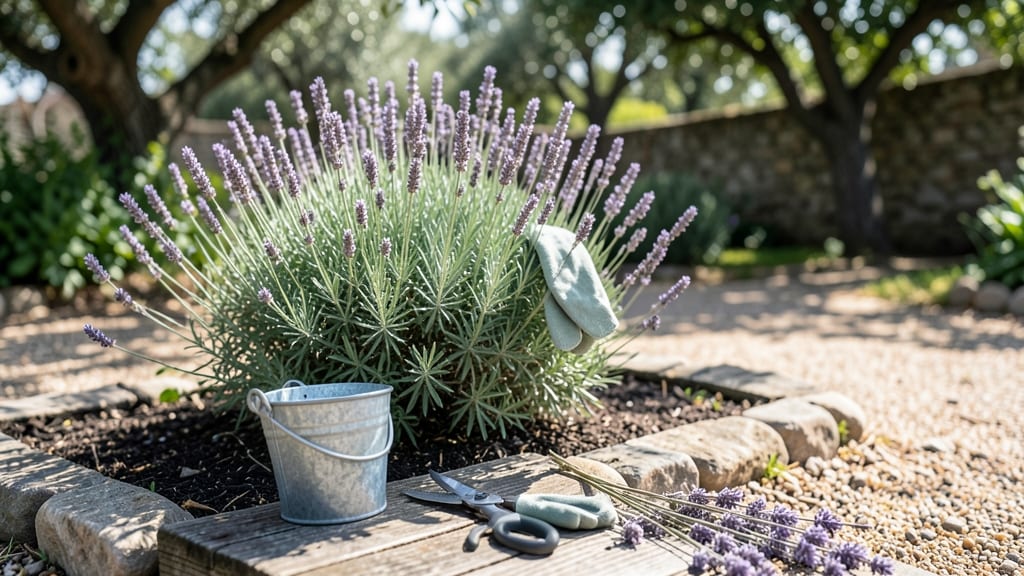
Fall pruning lavender plants in zone 5-8 is the secret to next year's showstopping blooms. 🌿 I learned the hard way—skipping it left my plants leggy and sparse, but a single proper cut transformed them into lush, fragrant bushes by spring.
The key is timing, technique, and knowing when to stop.
You only need sharp pruners, gloves, and a sunny afternoon. Prune after the first frost but before hard freezes—typically October to early November. Cut back one-third of the previous year's growth, focusing on woody stems. Never prune into old wood, as lavender struggles to regrow from there.
The results are stunning: next summer’s blooms will be denser, more fragrant, and last longer. Your plants will also resist winter dieback better. Just avoid heavy pruning in colder zones—stick to light shaping if frost is imminent.
This method works for English, French, and Spanish lavender varieties alike. The only rule? Never prune in spring—you’ll sacrifice that year’s flowers. Now grab those shears and let’s get to work!
📚 In This Guide
- What you need
- Instructions
- Tips and common mistakes
- Wrapping up and next steps
What you need
- ● Sharp, bypass pruners – Choose a pair with clean, sharp blades (4-6 inch blades work best for lavender). Dull tools crush stems instead of cutting cleanly!
- ● Hand pruners or loppers – For thicker stems (½ inch or larger), opt for bypass pruners with a comfortable grip.
- ○ Gloves (optional but recommended) – Garden gloves protect your hands from thorns and rough stems.
- ● Disinfectant (rubbing alcohol or bleach solution) – 70% isopropyl alcohol or a 1:9 bleach-to-water mix to sterilize tools between cuts and prevent disease.
- ● Bucket or trash bag – For collecting pruned stems and debris.
- ● Pruning shears (small, sharp scissors) – Helpful for trimming smaller, delicate stems if needed.
- ● Rake or leaf blower – Clears fallen leaves and debris around the plant before pruning.
- ● Hose with nozzle – A gentle spray helps clean stems and rinse off sap post-pruning.
- ● Compost bin access – Pruned lavender stems can be composted (if disease-free).
- ● Markers or flags – Useful if you’re pruning multiple plants in a row to track progress.
- ● Safety glasses – Protects eyes from stray debris if pruning near your face.
Step-by-Step guide to pruning lavender in fall
Here's how I refresh my lavender bushes every autumn—keeping them healthy, bushy, and blooming beautifully next spring.
✂️ Step 1: Wait for the Right Time to Prune
Prune lavender after the first hard frost but before winter freezes set in—typically late October to November in most climates. You’ll know it’s time when the flowers have browned and the plant looks dormant. Pruning too early removes next year’s flower buds, while waiting too long risks frost damage to fresh cuts.
I always check the weather forecast first. If a frost is predicted within 3-5 days, I’ll hold off until after it passes. The goal is to give the plant time to heal before winter’s chill sets in. If you’re unsure, a light frost won’t hurt—just wait until the ground feels cold to the touch.
✂️ Step 2: Cut Back One-Third of the Previous Year’s Growth
Using sharp, clean pruners, trim back the stems to just above a set of healthy leaves or buds. I aim to remove about one-third of the plant’s height—never more than that. This encourages new, vigorous growth while preserving the plant’s structure. Avoid cutting into old, woody stems, as lavender struggles to regrow from them.
Make cuts at a 45-degree angle just above a leaf node or bud. This prevents water from pooling on the cut and reduces the risk of rot. If your lavender has grown leggy, you can cut back even more—just don’t shave it down to bare wood. Think of it like giving the plant a fresh haircut to shape it up for spring.
🌿 Step 3: Shape the Plant for Next Year’s Blooms
Step back and assess the plant’s shape. Lavender thrives when it’s slightly rounded and full, not flat or top-heavy. Trim any stems that are crossing or rubbing against each other—these create weak spots where disease can take hold. I also remove any dead, diseased, or spindly growth that doesn’t contribute to the plant’s health.
For bushier growth, focus on cutting back the outer stems first. This opens up the center, allowing air to circulate and sunlight to reach all parts of the plant. Avoid shearing lavender like a hedge—this encourages weak, floppy growth. Instead, prune selectively to maintain its natural, fragrant silhouette.
💧 Step 4: Clean Up and Protect for Winter
After pruning, rake up and dispose of all clippings—don’t compost them, as they can harbor pests or diseases. I like to mulch around the base of the plant with 2-3 inches of organic mulch (like straw or shredded bark) to insulate the roots. This helps protect against temperature swings and keeps moisture in the soil.
Water the plant deeply after pruning to help it recover, but avoid overwatering—lavender hates soggy roots. If you’re in a cold climate, consider adding a light layer of burlap or frost cloth around the base for extra protection. This isn’t always necessary, but it gives peace of mind during harsh winters.
⏰ Step 5: Monitor and Plan for Spring
Check your lavender in early spring to see how it’s recovering. You should see new green growth emerging from the base within 4-6 weeks. If you notice any dead or bare spots, it’s a sign the plant was over-pruned or stressed. Adjust your approach next year—maybe cut back even less.
This is also the time to fertilize lightly if needed. Lavender doesn’t require much, but a balanced, low-nitrogen fertilizer in early spring can encourage strong growth. Avoid high-nitrogen fertilizers—they promote leafy growth at the expense of flowers, which is the whole point of growing lavender!
Tips & tricks for perfect fall lavender pruning
These little details make all the difference between a healthy lavender bush and one that struggles to bounce back. Here's what I've learned after years of trial and error—trust me, your plants will thank you.
Timing is Everything: The window between late October and November is critical, but don't just guess—check for that first hard frost first. I've ruined perfectly good lavender by pruning too early, only to realize I'd accidentally trimmed off next year's flower buds. Look for browned flowers and dormant-looking plants as your cues. If you're unsure, wait until the ground feels cold to the touch—this is nature's way of telling you it's safe.
The One-Third Rule: That one-third height reduction in Step 2 isn't arbitrary—it's based on lavender's natural growth cycle. Cutting back more than this can stress the plant, while cutting back less won't give it enough energy to produce strong new growth. For leggy plants, you can go up to half, but never more. Think of it like giving your lavender a haircut—you want to shape it up, not shave it bald. And always make those 45-degree cuts above leaf nodes to prevent rot.
Tool Prep Matters: Your pruners are just as important as your timing. I can't stress enough how crucial it is to use sharp, clean tools—dull pruners crush stems and create jagged cuts that invite disease. Before you start, wipe your pruners with rubbing alcohol and make a few test cuts on a scrap piece of wood to ensure they're sharp. This small step prevents so many post-pruning problems I've seen in my garden club.
Pro Tips for Pruning Lavender Plants In Fall
- These little details make all the difference between a healthy lavender bush and one that struggles to bounce back.
- Timing is Everything: The window between late October and November is critical, but don't just guess—check for that first hard frost first.
- The One-Third Rule: That one-third height reduction in Step 2 isn't arbitrary—it's based on lavender's natural growth cycle.
Frequently asked questions
Got questions about pruning lavender in fall? You’re not alone! Here are answers to the most common concerns—so you can tackle the task with confidence and keep your lavender thriving.
When is the exact best time to prune lavender in fall?
Prune lavender after it finishes blooming in late summer or early fall (typically September–October in most U.S. zones). Avoid pruning too early—wait until the first frost or when new growth slows down. This timing helps the plant harden off for winter while removing spent blooms.
How much should I cut back lavender in fall?
Light pruning is key! Trim back only 1/3 of the plant’s height (about 2–3 inches) to encourage bushier growth. Avoid heavy cuts—lavender has woody stems that don’t regenerate well. Focus on shaping and removing dead or leggy branches.
What if I missed fall pruning? Can I still do it in winter?
Yes, but with caution. Prune lightly in late winter (February–March) before new growth starts. Avoid pruning in extreme cold or frost, as this can stress the plant. If you wait until spring, you risk losing next year’s blooms entirely.
My lavender looks leggy or woody—did I prune too much last fall?
Leggy or woody lavender often means over-pruning in previous years. Stop pruning for a season and focus on removing only dead growth. Over time, lavender will naturally regenerate. For severely damaged plants, reduce cuts to just 1 inch and monitor growth.
Do I need to fertilize lavender after fall pruning?
No—lavender thrives in poor soil and doesn’t need fertilizer. Over-fertilizing can weaken the plant or encourage floppy, non-floral growth. Instead, mulch lightly with gravel or bark to improve drainage and protect roots in winter.
Wrapping up and next steps
Fall pruning is your secret weapon for keeping lavender lush, fragrant, and thriving! By trimming back one-third of the plant, removing dead growth, and shaping wisely, you’re setting the stage for next year’s vibrant blooms—plus stronger stems and healthier foliage. 🌿✨
Ready to give your lavender the care it deserves? Grab your pruners, follow the steps, and enjoy the sweet rewards of a fragrant, flourishing garden. Next up: Check out our guide on mulching lavender for winter protection to keep it cozy all season long!