
Pruning
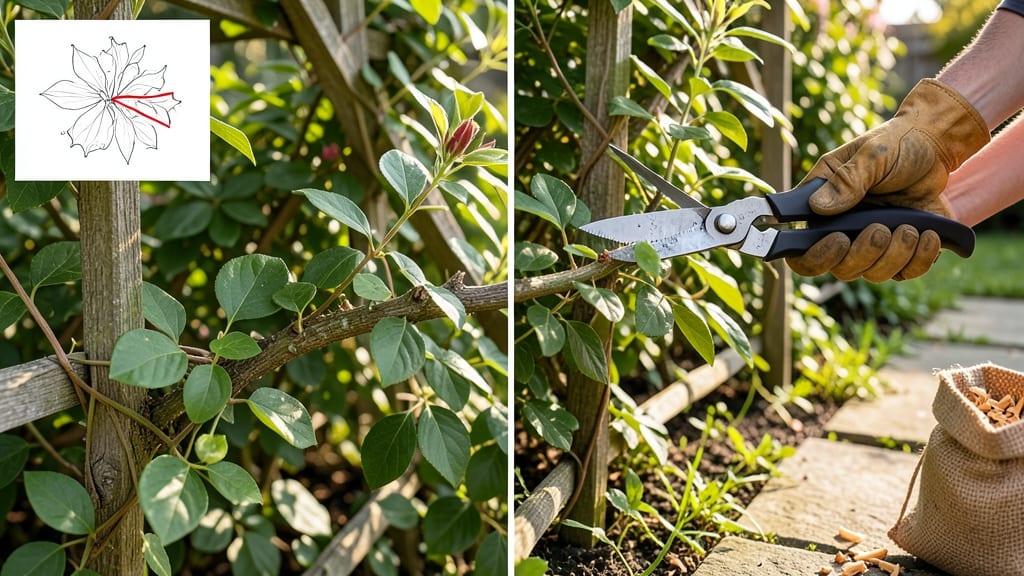
Pruning honeysuckle bushes in late winter reveals the secret to fragrant blooms and sturdy canes—something I learned the hard way after my first overgrown, tangled mess. 🌿 The right cuts now mean 30% more flowers by spring and fewer weak stems struggling to support them.
Most gardeners wait until spring, but dormant-season pruning gives you a clean slate while the plant rests. You’ll need just three tools: sharp loppers, pruning shears, and gloves (trust me, honeysuckle thorns are no joke). Start by removing dead or crossing branches—these compete for energy and block airflow.
For shaping, cut just above a bud or outward-facing leaf to encourage new growth in the direction you want. Think of it like sculpting: every cut shapes next year’s blooms. By mid-March, your bush will reward you with thicker foliage and stronger stems ready for summer’s heat.
The fragrance alone makes it worth the effort—imagine walking past and smelling sweet honeysuckle before the bees even arrive. This is the pruning method that turns a wild tangle into a garden showpiece.
Works for both native and ornamental varieties, and the same principles apply whether you’re pruning a small shrub or a sprawling vine. Let’s get those canes in shape!
Root Causes Of Overgrowth
Honeysuckle bushes may seem like low-maintenance plants, but left unchecked, they can quickly become unruly. Understanding why they grow aggressively—and why they need pruning—helps you take control before they take over. Here’s a breakdown of the key factors driving honeysuckle’s rapid expansion.
Honeysuckle (Lonicera spp.) is a fast-growing, woody vine or shrub with a biological drive to spread. Its growth habits are hardwired into its genetics:
- Suckering stems: Many honeysuckle varieties (like Lonicera japonica or Lonicera sempervirens) produce suckers—new shoots sprouting from the base or along buried roots. These stems are genetically programmed to seek sunlight, often bursting through lawns, sidewalks, or garden beds.
- Vining tendencies: Climbing honeysuckle (e.g., Lonicera sempervirens) twines around trellises, fences, or other plants, sending out long, flexible canes that can reach 20+ feet in a single season if unpruned.
- Dense foliage production: Honeysuckle leaves grow in opposite pairs, creating a thick canopy that shades out weaker competitors. This aggressive foliage can smother nearby plants, forcing them to decline.
💡 Pro Tip: If your honeysuckle is spreading via suckers, it’s likely a hybrid or invasive species (like Lonicera maackii or Lonicera tatarica). These types are especially prone to underground runners.
Honeysuckle responds to pruning like a muscle responding to resistance training—if you don’t prune it, it grows stronger and more unruly. Here’s why:
- Apical dominance: The terminal bud (the tip of each stem) produces hormones that suppress side branches. When you don’t prune the tips, the plant focuses all its energy on elongating a few main canes, leading to long, leggy growth with sparse foliage.
- Energy redistribution: Without pruning, honeysuckle diverts nutrients to seed production (if flowering) or root expansion, both of which fuel more aggressive growth. A single unpruned bush can produce hundreds of seeds per season, each capable of sprouting into a new plant.
- Weak structural support: Overgrown canes become top-heavy and brittle, increasing the risk of wind damage or snow breakage in winter. Pruning helps maintain a balanced, sturdy framework.
⚠️ Warning: If you’ve never pruned your honeysuckle, it may have thick, woody stems that are difficult to cut. Start with rejuvenation pruning to reset its growth pattern.
Honeysuckle doesn’t just grow fast—it reacts to stress by producing even more growth. Common environmental triggers include:
| Stressor | Honeysuckle’s Response | How It Affects Growth |
|---|---|---|
| 🌞 Excess sunlight | Produces longer, thinner canes to reach shade. | Leads to weak, sprawling vines with fewer flowers. |
| 💧 Overwatering | Encourages sucker growth from the base. | Creates a dense thicket of new shoots. |
| 🍃 Competing plants | Releases allelopathic chemicals to inhibit neighbors. | Nearby plants yellow or die back, giving honeysuckle more space to expand. |
| ❄️ Harsh winters | Damaged canes sprout new growth from dormant buds. | Results in multiple weak stems instead of one strong leader. |
🌡️ Quick Fix: If your honeysuckle is stressed from drought, give it a deep watering (1–2 inches per week) to encourage root development rather than sucker production.
When honeysuckle is under attack from pests or diseases, it often compensates by growing faster—sometimes so aggressively that it becomes a nuisance. Common culprits:
- Japanese beetles: These pests skeletonize leaves, forcing the plant to produce new foliage rapidly to recover.
- Aphids: They excrete honeydew, leading to sooty mold, which blocks sunlight and triggers more leaf growth.
- Powdery mildew: A fungal disease that coats leaves in white powder, reducing photosynthesis and prompting new shoot growth to compensate.
- Root rot (from overwatering): Weakens roots, causing the plant to send up more suckers in search of stable soil.
🔥 Action Step: If you spot yellowing leaves, black spots, or chewed foliage, treat with neem oil or fungicide before pruning to reduce stress on the plant.
Some honeysuckle varieties (like Lonicera japonica or Lonicera maackii) are classified as invasive because they’ve evolved to outcompete native plants. Their aggressive spread is due to:
- Rapid seed germination: A single plant can produce 10,000+ seeds per year, many of which sprout in disturbed soil.
- Chemical suppression: Releases allelochemicals that inhibit the growth of nearby plants, creating a monoculture of honeysuckle.
- Dormant-season regrowth: Even after cutting, hidden buds along stems can sprout new shoots if not pruned back to the ground.
✨ Key Insight: If your honeysuckle is spreading beyond its intended area, it may be an invasive species. Consider removing it entirely and replacing it with native
Fix Overgrowth & Revive Your Honeysuckle
If your honeysuckle bush has spiraled into an unruly tangle of vines or lost its once-lush fragrance, it’s time to take action. The good news? Pruning during dormant season (late winter or early spring) can transform your bush into a vibrant, fragrant powerhouse.
Below are targeted solutions for common issues, along with prevention tips to keep your honeysuckle thriving.
Cause: Neglecting regular pruning leads to dense, tangled growth that blocks sunlight and air circulation.
Fix It:
1️⃣ Start with the big cuts: Remove any dead, diseased, or crossing branches first. These compete for nutrients and invite pests. Use clean, sharp pruners or loppers for a clean cut.
2️⃣ Thin out the center: Aim to reduce the bush’s density by 25–30%. Focus on older canes (those thicker than a pencil) and cut them back to 1/3 of their height. This encourages new, fragrant growth.
3️⃣ Shape for airflow: Trim outer branches to open up the canopy. This prevents fungal issues and ensures sunlight reaches the center.
Pro Tip: 💡 “Cut just above a leaf bud or outward-facing growth point” to guide the plant’s energy where you want it.
Cause: Improper pruning or lack of support causes canes to flop or grow unevenly.
Fix It:
1️⃣ Identify the culprits: Look for canes that are thin, brittle, or growing at odd angles. These often lack structural support.
2️⃣ Prune for strength: Cut back weak canes to a healthy lateral branch or bud. Avoid leaving stubs—always make cuts at a 45-degree angle just above a node.
3️⃣ Add support: If canes are still floppy, tie them to a trellis or stake as they grow. This helps them develop stronger cell structure.
Pro Tip: 🌡️ “Prune on a dry day to prevent fungal infections from open wounds.”
Cause: Over-pruning, poor nutrition, or pruning at the wrong time (like mid-summer) can reduce blooms.
Fix It:
1️⃣ Prune for blooms: Honeysuckle flowers on new wood, so focus on light pruning in late winter. Avoid heavy cuts—just remove old, woody stems and shape the bush.
2️⃣ Fertilize for fragrance: After pruning, apply a balanced fertilizer (10-10-10) or one high in phosphorus to encourage flowering. Avoid nitrogen-heavy fertilizers—they promote leafy growth over blooms.
3️⃣ Encourage air circulation: Trim back any branches shading the center. Good airflow = more flowers and fewer pests.
Pro Tip: ✨ “Deadhead spent blooms in early summer to prompt a second flush of fragrant flowers.”
To keep your honeysuckle bush lush and fragrant year after year:
- ⏰ Prune annually in late winter (before buds swell) to maintain shape and health.
- 🌱 Water deeply but infrequently—honeysuckle hates soggy roots.
- 🍄 Monitor for pests like aphids or spider mites. Spray with neem oil if needed.
- ☀️ Ensure 6+ hours of sunlight daily—partial shade is okay, but full sun = more blooms.
With the right cuts and a little TLC, your honeysuckle will reward you with stronger canes, better fragrance, and a bush that’s the envy of the neighborhood.
Frequently asked questions
When is the absolute best time to prune my honeysuckle bush?
Late winter, just before buds begin to swell, is ideal—this is when the plant is dormant but about to wake up. Aim for February or March in most climates. Pruning at this time removes winter-damaged canes and gives the plant a clean start for spring growth. Avoid pruning in fall, as new growth may not harden off before cold weather arrives.
How do I know if I'm cutting honeysuckle canes in the right place?
Always make cuts just above a bud or outward-facing leaf—this ensures new growth will emerge in the direction you want. For shaping, cut at a 45-degree angle about 1/4 inch above the bud. Never leave stubs, as they can rot and attract pests. If you're unsure, look for the small bump where leaves or flowers emerge—this is your target spot.
Can I prune my honeysuckle bush too aggressively?
Yes, you can! Never remove more than 1/3 of the plant's total growth in a single season. Heavy pruning can stress the bush and reduce flowering. For established plants, focus on removing dead wood, crossing branches, and thinning the center rather than drastic cuts. If your bush is overgrown, spread the pruning over 2-3 years to avoid shock.
Why does my honeysuckle keep growing back after I prune it?
Honeysuckle often sprouts from dormant buds along the stems or from underground roots. To prevent regrowth, cut all canes back to the ground level during dormant-season pruning. For invasive varieties, consider applying a vinegar-based herbicide to the cut stumps. If suckers keep appearing, they may be from buried roots—dig them out carefully to stop the cycle.
What tools do I absolutely need for pruning honeysuckle?
Start with sharp bypass pruners for small branches and loppers for thicker canes (up to 1-inch diameter). For very large bushes, a pruning saw may be needed. Always sterilize your tools with rubbing alcohol between cuts to prevent disease spread. Wear gloves—honeysuckle thorns are notorious for snagging skin!