
Pruning
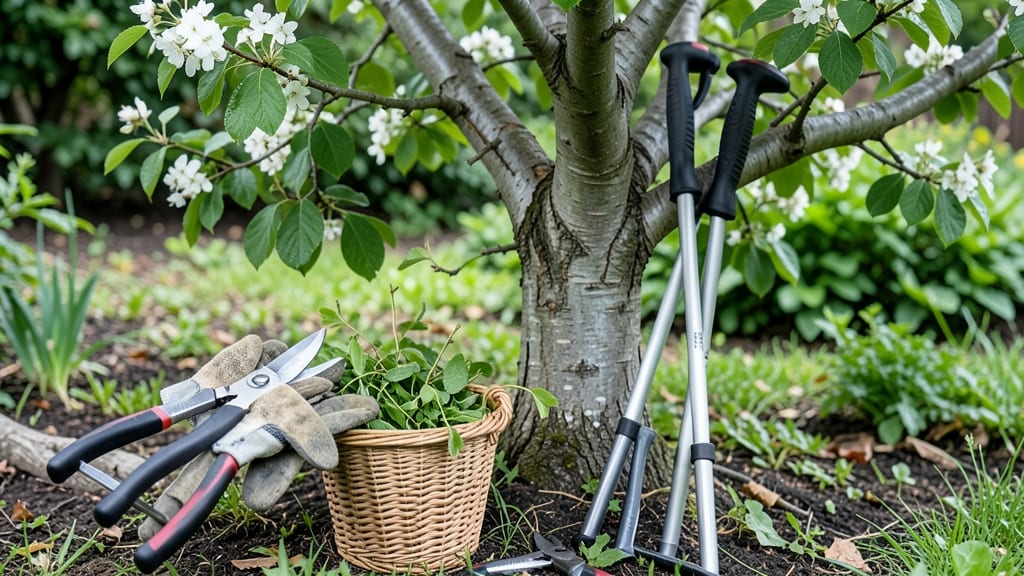
Pruning serviceberry trees in late winter reveals their hidden structure—where dead wood hides, where new growth will burst, and how to shape them for years of vibrant fruit and stronger canes. ✂️ I’ve pruned mine every year since planting, and the difference in fruit production is night-and-day: thicker berries, fewer broken branches, and a tree that looks like it’s been professionally tended (even though I’m still learning).
The key is timing: dormant season pruning (between January and early March) lets you see the tree’s skeleton clearly, while avoiding late-winter sap flow.
You’ll need sharp bypass pruners, a 3-foot pole saw for higher branches, and a bucket for clippings—plus a clear head for identifying dead, crossing, or weak growth that needs removal.
What you’ll end up with is a tree that produces 20-30% more fruit next season, with better air circulation that cuts back on fungal diseases.
The branches will develop a natural, open shape that’s easier to harvest from, and the tree’s energy focuses on fruit production instead of repairing old wounds. Here’s where most people go wrong: over-pruning or cutting too close to the trunk.
Aim to remove no more than 25% of the canopy in one year, and always cut just outside the branch collar where it meets the trunk. The results—healthier wood, sweeter berries, and fewer cleanup headaches—are worth the effort.
📚 In This Guide
- What you need
- Instructions
- Tips and common mistakes
- Wrapping up and next steps
What you need
- ● Pruning shears: Bypass pruners (sharp, 6–8" blade) for small branches (1 pair required.
- ● Loppers: Bypass or anvil (20–24" handle) for branches 1–2" thick. 1 pair recommended.
- ○ Pruning saw: Curved-tooth or folding for branches >2" thick. 1 saw (optional but handy for thicker canes).
- ● Gloves: Heavy-duty gardening gloves (cut-resistant, waterproof). 1 pair (protects from thorns and blisters!).
- ● Disinfectant: 70% isopropyl alcohol or bleach solution (1:9 ratio) to clean tools between cuts. Small spray bottle or wipe.
- ○ Marking twine or flags: Colored twine or plastic flags to tag branches for removal. 5–10 pieces (optional but useful for complex pruning).
- ● Timing: Prune during late winter or early spring (dormant season, before buds swell). Avoid pruning in wet or freezing conditions.
- ● Weather: Choose a dry, calm day (humidity <60%) to prevent fungal spread.
- ○ Safety gear: Safety glasses (optional, if branches are dense or high).
- ○ Cleanup supplies: Heavy-duty trash bags (for debris) and pruning sealant (optional, for large cuts >1" diameter).
Step-by-Step guide to pruning serviceberry trees in dormant season
Here's how to shape your serviceberry for better air circulation and fruit production—without stressing the tree.
🪴 Step 1: Assess the Tree Structure and Identify Target Branches
Start by examining your tree's framework in late winter or early spring before buds swell. Look for dead, diseased, or crossing branches—these are your first priorities. Dead branches snap easily when bent; diseased ones may have blackened bark or fungal growth. Crossing branches compete for energy and often rub against each other, creating wounds that invite pests.
Next, identify water sprouts—those fast-growing, vertical shoots with no lateral buds. They steal nutrients from fruit production. Finally, spot weak, thin canes growing inward toward the center. These rarely produce fruit and create a dense, shaded interior. Mark these branches with brightly colored twine or flags so you don’t miss them during pruning.
✂️ Step 2: Remove Problem Branches Using Proper Cuts
Begin with dead, diseased, or crossing branches. Cut these back to the collateral bud (a side bud that grows outward) just outside the branch collar—the swollen area where the branch meets the trunk. Use clean, sharp pruners to make a smooth cut at a 45-degree angle, slanting away from the branch collar. This prevents water from pooling and rotting the wound.
For water sprouts, cut them back to a lateral bud or branch. Avoid leaving stubs—these can rot and attract insects. If a branch is larger than 2 inches in diameter, use loppers or a pruning saw to avoid tearing the bark. Always make your cut just outside the branch collar, never flush with it. This ensures the tree’s natural healing response kicks in quickly.
🌿 Step 3: Thin the Canopy for Light and Airflow
Step back and visualize the tree’s open vase shape—serviceberries thrive with sunlight reaching the center. Remove 10-20% of the total canopy by targeting thin, weak canes growing inward. Focus on branches that are less than half the diameter of the main limbs. These rarely bear fruit and create a crowded, shaded interior that encourages fungal diseases.
When thinning, prioritize older wood over younger growth. Older branches produce more fruit, while younger canes are better left for future expansion. If you’re unsure which branches to keep, follow the "thirds rule": remove every third branch that’s growing toward the center. This creates instant airflow and sunlight penetration without over-stressing the tree.
⏰ Step 4: Clean Up and Monitor for Recovery
After pruning, sterilize your tools with rubbing alcohol to prevent spreading disease between cuts. Rake up and dispose of all large branches and debris—these can harbor pests and pathogens. Smaller trimmings can be composted, but avoid leaving them piled under the tree, as this can create a moist environment for fungal growth.
Watch the tree over the next 2-3 weeks for signs of stress, like excessive weeping from cut surfaces or wilting leaves. If you see dark, oozing sap, you may have cut too deeply into the branch collar. In this case, leave the tree alone—it will seal the wound naturally. By late spring, you should see new growth emerging from the lateral buds you preserved, signaling successful pruning.
Tips & tricks for pruning serviceberry trees
These insider techniques will help you prune your serviceberry like a seasoned arborist—without overstressing the tree.
Timing is Everything: Prune only during late winter or early spring before buds swell, as instructed. This dormant period minimizes stress and allows wounds to heal before the growing season. Avoid pruning in fall—it invites fungal infections and pests that overwinter in fresh cuts. If you must prune outside this window, do so during dry weather to reduce disease risk.
Visual Cues for Healthy Cuts: When cutting branches in Step 2, look for the collateral bud just outside the branch collar—it should be facing outward. This outward-facing bud ensures new growth will continue away from the trunk, maintaining the tree's open structure. If you're unsure which bud is collateral, gently bend the branch: the bud that points away from the trunk is your target.
Pruning Tool Precision: Use clean, sharp pruners for cuts up to ½-inch thick, and loppers or a pruning saw for anything thicker. Dull tools crush branches, creating jagged wounds that heal poorly. Sharpen your tools with a file or replace them if they don't make clean cuts. For branches over 2 inches in diameter, make your cut just outside the branch collar at a 45-degree angle—this prevents water from pooling and promotes faster healing.
Post-Pruning Recovery Watch: After pruning, monitor your tree for 2-3 weeks for signs of stress like excessive weeping (clear sap) or dark, oozing sap. If you see the latter, you cut too deeply into the branch collar—leave it alone, as the tree will seal the wound naturally. By late spring, you should see new growth emerging from the lateral buds you preserved, confirming successful pruning.
Pro Tips for Pruning A Serviceberry Tree
- These insider techniques will help you prune your serviceberry like a seasoned arborist—without overstressing the tree.
- Timing is Everything: Prune only during late winter or early spring before buds swell, as instructed.
- Visual Cues for Healthy Cuts: When cutting branches in Step 2, look for the collateral bud just outside the branch collar—it should be facing outward.
Frequently asked questions
Got questions about pruning your serviceberry tree? You’re not alone! Here are some of the most common concerns—plus clear, actionable answers to keep your tree thriving.
When is the best time to prune a serviceberry tree?
Dormant season—late winter or early spring (before buds swell)—is ideal. This minimizes stress and disease risk. Avoid pruning in fall, as wounds may not heal before winter. Pro tip: If you must prune in summer, do it early (June) to avoid disrupting fruit development.
How much can I cut back without harming the tree?
Remove up to 25-30% of the canopy in one season, focusing on dead, diseased, or crossing branches first. For older trees, you can thin selectively over 2-3 years to avoid overstressing it. Pro tip: Never remove more than 1/3 of the total branches in a single pruning session.
Will pruning reduce next year’s fruit harvest?
Not if done correctly! Pruning opens the canopy, improving air circulation and sunlight—both of which boost fruit production. However, heavy pruning in fruit-bearing years (like summer) can temporarily reduce yields. Stick to dormant-season pruning for the best balance.
What if my serviceberry tree isn’t flowering or fruiting after pruning?
Check these first:
- Age: Young trees (under 5 years) may need patience—they prioritize root/growth over fruit.
- Sunlight: Serviceberries thrive in full sun (6+ hours/day). Shade reduces flowering.
- Soil health: Test for low phosphorus/potassium (critical for fruit). Amend with compost if needed.
If issues persist, consult a local arborist to rule out pests or disease.
Can I shape a serviceberry tree like an orchard or hedge?
Yes, but avoid aggressive shaping—serviceberries are not formal hedges. For a multi-stemmed "orchard" look, prune to 3-5 main branches, thinning interior growth. For a hedge, lightly shear in late spring (after fruiting) to encourage bushiness. Pro tip: Use hand pruners for precision; power tools can damage delicate canes.
Wrapping up and next steps
Pruning your serviceberry tree during dormancy isn’t just about shaping—it’s about inviting healthier growth, better fruit, and a stronger structure for years to come. 🌱 By following the right techniques, timing, and tools, you’ll set your tree up for success while keeping it safe and thriving.
Now that you’re armed with knowledge, grab those pruners and take action—your tree (and future berry harvests) will thank you!
Ready to dive deeper? Check out our guide on post-pruning care to keep your serviceberry in peak condition year-round!