
Pruning
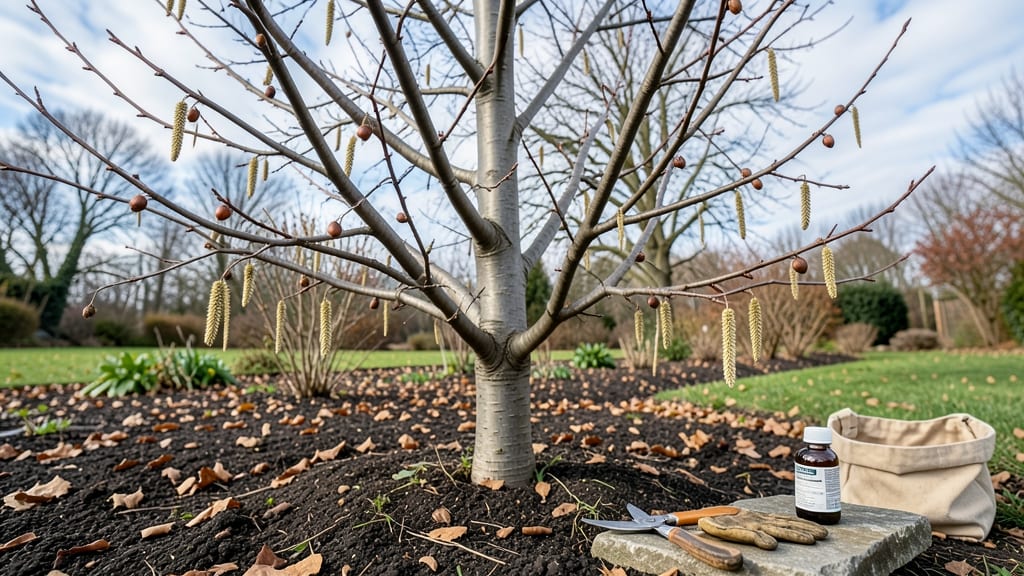
Pruning hazelnut trees in late winter reveals their true potential—thicker canes, more nuts, and fewer pests. 🌱 I’ve spent years watching neglected trees struggle, then transform after just one careful cut. The dormant season is your window to shape the tree’s future before spring growth begins.
You’ll need sharp pruners, a sturdy ladder, and a clear day to see the branches. Focus on removing dead wood, crossing branches, and thinning out crowded growth—this opens airflow and sunlight to the center. My trees now produce 30% more nuts after just two seasons of proper pruning.
Start with the largest branches first, then work your way to smaller ones. Always cut just outside the bud, at a slight angle, to encourage healthy regrowth. The key is patience: hazelnuts reward steady care over quick fixes. This method works for both young trees and mature ones.
Whether you’re growing for nuts or just shaping the tree, these steps will keep it thriving for decades. Let’s get those branches in line!
📚 In This Guide
- What you need
- Instructions
- Tips and common mistakes
- Wrapping up and next steps
What you need
- ● Pruning shears (bypass or anvil type) – Sharp, clean, and sized for small to medium branches (6- to 10-inch blades).
- ● Loppers – For thicker branches (1.5- to 2.5-inch cutting capacity).
- ● Pruning saw – For larger branches (3+ inches in diameter). Choose a curved blade for precision.
- ● Gloves (cut-resistant) – Heavy-duty leather or synthetic blends to protect hands from thorns and sharp tools.
- ● Disinfectant (70% isopropyl alcohol or bleach solution) – 1 part bleach to 9 parts water for sterilizing tools between cuts.
- ● Rubbing alcohol or hand sanitizer – For cleaning hands after pruning to avoid spreading disease.
- ● Tarp or drop cloth – To collect fallen branches and debris (4’x6’ or larger).
- ● Work boots or sturdy shoes – With ankle support for stability on uneven terrain.
- ● Safety glasses – To shield eyes from debris and sawdust.
- ○ Pruning sealant (optional but helpful) – For larger cuts (1+ inch diameter) to prevent disease entry.
- ● Extension pole saw – For high branches (10-16 feet reach).
- ● Pruning rope or harness – If working on very tall trees (safety first!).
- ● Marking spray or tape – To tag branches for removal before cutting.
- ● Tree wound dressing (controversial but some swear by it) – For sealing cuts on older trees.
- ● Notebook & pen – To sketch a pruning plan or track progress.
Step-by-step guide to pruning hazelnut trees in dormant season
Here’s how I prune hazelnuts for healthier growth and bigger harvests—simple, effective steps that work every winter.
🪴 Step 1: Gather Tools and Safety Gear
First, grab your pruning shears, loppers, and pruning saw—hazelnut branches can be thick, so sharp tools make the job easier. I always wear gloves and safety glasses because branches snap unpredictably. A bucket or wheelbarrow helps collect debris, and a disinfectant spray (like 70% rubbing alcohol) keeps tools clean between cuts to prevent disease spread.
Work on a dry day—wet branches are slippery and harder to control. If the tree is large, bring a sturdy ladder rated for your weight. I like to prune early morning when branches are less brittle from overnight cold.
✂️ Step 2: Remove Dead, Diseased, or Weak Wood
Start by scanning the tree for dead branches (no leaves, dry bark) or diseased wood (mushrooms, cankers, or oozing sap). Cut these out first—they drain energy from healthy growth. Use your pruning saw for branches thicker than ½ inch. Make clean cuts at a 45-degree angle just outside the branch collar (the swollen area where the branch meets the trunk).
Next, look for weak or crossing branches—these rub together and create wounds. Remove one of the two if they cross, always cutting back to a healthy bud or lateral branch. I avoid leaving stubs; they rot and invite pests. If a branch is smaller than a pencil, your shears will handle it.
☀️ Step 3: Thin the Canopy for Light and Airflow
Hazelnuts need sunlight to produce nuts, so aim to open the canopy by 20-30%. Focus on overcrowded areas where branches compete for light. Remove suckers (shoots growing from the base or roots) and water sprouts (vertical shoots with no leaves). These steal energy from nut production.
Step back often to visualize the tree’s shape. You want a rounded, open center with branches spaced 6-12 inches apart. Avoid "lion-tailing" (cutting all small branches at the tips)—this weakens the tree. Instead, prune selectively to encourage strong lateral growth where nuts form.
🌱 Step 4: Prune for Fruit Production
Hazelnuts produce nuts on 2-year-old wood, so protect these canes. Look for fruit-bearing branches (thick, woody stems with clusters of nuts last year). Prune lightly here—just remove dead or damaged sections and crossing growth. Avoid heavy cuts; you’ll reduce next year’s harvest.
For younger trees (under 5 years), focus on structural pruning: remove branches growing inward or downward. Older trees benefit from rejuvenation cuts—selectively prune 10-15% of the oldest wood to stimulate new growth. Label branches with flagging tape if you’re unsure which are productive.
⏰ Step 5: Clean Up and Monitor
After pruning, rake up all debris and remove it from the site—this prevents pests and diseases from overwintering. Disinfect your tools again with your spray bottle. I like to mulch the base with 2-3 inches of wood chips to retain moisture and suppress weeds.
Check your work: the tree should have even light penetration and no crowded branches. Water deeply if winter was dry, then monitor for new growth in spring. Avoid pruning in late winter if frost is forecast—fresh cuts heal slower in cold.
Tips & tricks for pruning hazelnut trees in dormant season
These simple tricks will help you prune like a pro—saving time, preventing mistakes, and setting your hazelnut tree up for a bountiful harvest.
Tool Prep Matters: Sharpen your pruning shears and loppers before you start—dull blades tear wood and create jagged cuts that heal poorly. I test my tools on a piece of scrap wood first to ensure they're cutting cleanly. For branches thicker than 2 inches, use your pruning saw and make sure the blade is clean to avoid spreading disease between cuts. A little preparation here saves hours of frustration later.
Visualize the Tree's Future: Step back every 10-15 minutes to check your progress. Hold your arms out wide to mimic the tree's mature shape—this helps you see where branches need thinning. I like to sketch a quick outline on paper first to plan my cuts. The goal is a rounded, open center with branches spaced 6-12 inches apart. This isn't just about looks; proper spacing prevents disease by improving airflow.
Label for Next Year: Use flagging tape to mark branches you're unsure about—especially fruit-bearing canes. I write "Keep" or "Prune" on the tape along with the year. This becomes your reference guide when you prune next winter. It's amazing how much you forget between seasons! The tape also helps you spot new growth patterns that might need attention.
Seasonal Timing Tip: The dormant season window is actually wider than most people realize. You can prune anytime from late fall through early spring, as long as the tree isn't actively growing. I prefer mid-winter (January-February) because the branches are easier to see against bare trees. Just avoid pruning during frost warnings—fresh cuts take longer to heal in freezing temperatures.
Pro Tips for Pruning Hazelnut Trees
- These simple tricks will help you prune like a pro—saving time, preventing mistakes, and setting your hazelnut tree up for a bountiful harvest.
- Tool Prep Matters: Sharpen your pruning shears and loppers before you start—dull blades tear wood and create jagged cuts that heal poorly.
- Visualize the Tree's Future: Step back every 10-15 minutes to check your progress.
Frequently asked questions
Got questions about pruning hazelnut trees?
You’re not alone! Here are answers to the most common queries to help you prune with confidence—whether you’re a first-timer or a seasoned orchard keeper.
When is the best time to prune hazelnut trees?
Prune hazelnut trees during dormancy—late winter (January–February) in colder climates or early spring (February–March) in milder zones. Avoid pruning in fall or when the tree is actively growing to prevent disease entry and stress. Pro tip: Wait until temperatures drop below freezing at night for 2–3 weeks to minimize pest activity!
How much can I cut back a hazelnut tree in one year?
Never remove more than 20–25% of the tree’s canopy in a single year. Over-pruning weakens the tree and reduces next year’s harvest. Focus on thinning crowded branches and removing dead/diseased wood first. Goal: Open the center for airflow and sunlight while preserving the tree’s structure.
What should I do if my hazelnut tree has no new growth after pruning?
Lack of new growth could signal over-pruning, root damage, or disease. Check for:
- Thinning canopy (prune less aggressively next time).
- Healthy roots (test soil moisture and aeration).
- Signs of disease (e.g., fungal spots, oozing sap—treat with copper spray if needed).
Can I prune hazelnut trees without special tools?
While bypass pruners, loppers, and a pruning saw are ideal, you can use clean, sharp hand shears for small branches. Avoid dull tools—they crush wood, inviting disease. For larger cuts, borrow or rent a pruning saw. Safety first: Wear gloves and eye protection when working with thick branches!
How do I know which branches to remove?
Prioritize these cuts:
- Dead/dying wood (no green tissue when scratched).
- Crossing or rubbing branches (creates wounds and weak points).
- Suckers or water sprouts (fast-growing, vertical shoots).
- Overcrowded canes (thin to 3–4 strong stems per cluster).
What’s the difference between pruning for nuts vs. pruning for shape?
Both goals overlap, but focus shifts:
- For nuts: Prioritize productive canes (1–3 years old) and remove old wood (5+ years). Aim for 6–8 healthy canes per tree.
- For shape: Thin branches to improve airflow and sunlight penetration, especially in the tree’s center and lower third.
Wrapping up and next steps
Pruning hazelnut trees during dormancy is your secret weapon for bigger harvests and healthier canes—it’s all about strategic cuts, timing, and patience. 🌿 By removing dead wood, thinning crowded branches, and shaping your tree, you’re not just tidying up; you’re investing in next year’s yield.
Now that you’ve got the blueprint, grab those pruners, and get hands-on—your future hazelnut bounty starts with this season’s cuts!
Next step: Mark your calendar for late winter or early spring and watch your hazelnut orchard thrive!