
Pruning
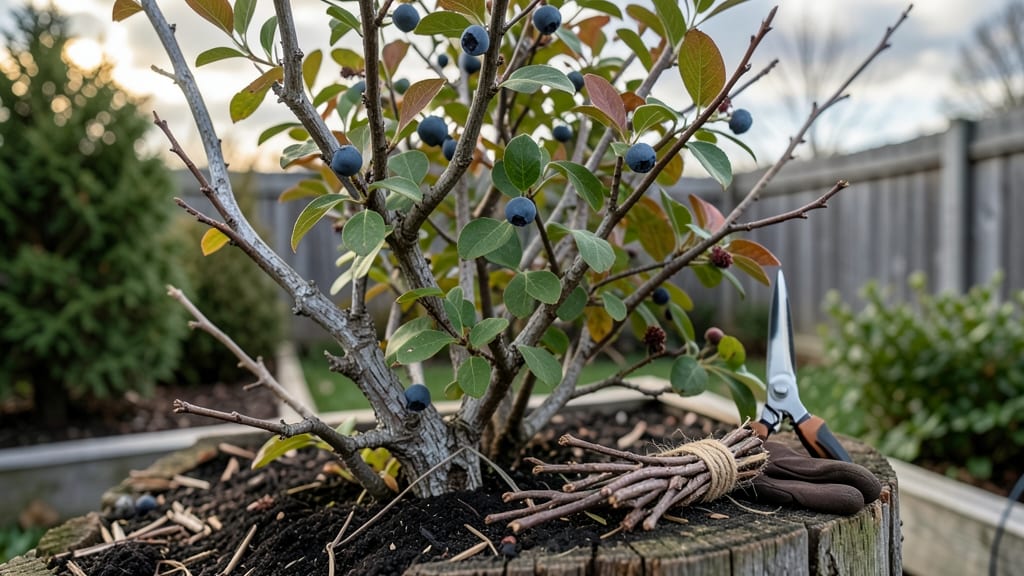
Winter is the perfect time to prune blueberries for a bountiful harvest next year—just don’t wait too long. ✂️ I’ve learned the hard way that pruning too early can expose tender wood to frost, while waiting too late means missing the best growth window.
The key is timing it right, between late winter and early spring, when the bush is still dormant but the ground isn’t frozen. You’ll need sharp pruners, gloves, and a clear day to see the branches properly.
Start by removing any dead, diseased, or crossing branches first—these are easy to spot because they’re brown, brittle, or growing inward. Then, thin out the center to improve airflow, which helps prevent fungal issues and keeps berries sweet and plump.
Once you’ve shaped the bush, you’ll notice new green shoots emerging by spring, signaling strong growth. The goal is to open up the center while keeping the outer branches intact—this ensures sunlight reaches all the fruit-bearing wood.
For northern varieties, prune a little later than southern ones, since they wake up slower. Common mistakes include over-pruning (which stresses the bush) or cutting back too much at once.
Stick to removing no more than 25-30% of the plant in a single season, and you’ll set yourself up for a productive year ahead. Now grab those shears—your blueberries will thank you!
📚 In This Guide
- What you need
- Instructions
- Tips and common mistakes
- Wrapping up and next steps
What you need
- ● Pruning shears: Bypass pruners (sharp, clean, and 10-12 inches long for precision). 2 pairs recommended if you have multiple bushes.
- ● Loppers: Long-handled (24-36 inches) for thicker branches (½-inch diameter or larger).
- ● Garden saw: Pruning saw with fine teeth for stubborn, thick branches (1-inch+ diameter).
- ● Disinfectant: Rubbing alcohol (70%+) or bleach solution (1 part bleach to 9 parts water) to sterilize tools between cuts.
- ● Garden gloves: Heavy-duty, cut-resistant to protect hands from thorns and sap.
- ● Bucket or bag: For collecting pruned branches (5-gallon size works well).
- ○ Markers or flags: Optional but helpful—use colored stakes or spray paint to tag bushes by variety if you have multiple types.
- ● Timing: Prune in late winter (after dormancy but before buds swell)—ideal window: February to early March (varies by climate zone).
- ● Weather: Choose a dry, calm day (rain or wind can stress plants and spread disease).
- ● Safety first: Wear long sleeves and closed-toe shoes—blueberry bushes can be thorny!
- ● Know your bush: Identify last year’s growth (wood turns grayish-brown) and new shoots (green, flexible).
- ● Cleanup: Remove all pruned debris from the garden to prevent pests/diseases from overwintering.
- ● ✨ Sharpen tools first! Dull blades tear bark—use a file or sharpening stone for clean cuts.
- ● 🌡️ Work in layers: Start with dead or diseased wood, then thin out crowded branches, and finally shape the bush.
- ● 🎯 Label your cuts: If unsure about a branch, take a photo before pruning for reference.
Step-by-Step guide to pruning blueberries for winter
Here's how to give your blueberry bushes a clean start for a bigger harvest next year.
✂️ Step 1: Wait for the Right Time
Prune your blueberries in late winter—just as buds begin to swell but before new growth starts. This is usually February or March in most climates, but check your local frost dates. Pruning too early can expose tender wood to cold damage, while waiting too long risks encouraging early growth that frost can kill.
Look for tight, plump buds along the stems as your signal. These indicate the plant is waking from dormancy but hasn't yet broken dormancy. If you see green shoots, you've waited too long—prune when you see these buds but no active growth.
✂️ Step 2: Remove Dead or Diseased Wood
Start by cutting out any dead, broken, or diseased branches with clean, sharp pruners. These branches won't produce fruit and can harbor pests or diseases that spread to healthy wood. Cut all the way back to the main stem or a healthy lateral branch. If a branch is diseased, sterilize your pruners with rubbing alcohol between cuts.
Next, look for crossing branches or those rubbing against each other. These create wounds where disease can enter. Remove one of the branches at the base, leaving the stronger, more vigorous stem. You'll know which to keep by how thick and healthy the branch looks—thicker branches usually mean stronger growth.
✂️ Step 3: Thin Out Overcrowded Branches
Blueberries thrive when they have good airflow, so your goal is to create an open, airy structure. Start by removing weak, thin branches that grow inward toward the center of the bush. These branches rarely produce fruit and compete with stronger stems for nutrients. Cut them back to the main stem or a strong lateral branch.
Next, focus on older wood. Blueberries produce their best fruit on 1- to 3-year-old wood, so prune back older branches that are no longer productive. You'll see these as thicker, woody stems with fewer buds. Cut these back to a younger, more vigorous branch or to the main stem.
✂️ Step 4: Shape the Bush for Airflow and Sunlight
Step back and look at your blueberry bush as a whole. You want a rounded, open shape that allows sunlight to reach the center. This encourages even fruit production and reduces humidity, which helps prevent fungal diseases. Remove any branches that block sunlight from reaching the interior of the bush.
For larger bushes, aim to keep 6-8 strong, well-spaced branches as your main structure. These branches should be evenly distributed around the bush. If you have more, thin them out to leave room for new growth. You'll see the bush start to look more balanced and open as you work.
✂️ Step 5: Clean Up and Prepare for New Growth
After pruning, gather all the clippings and remove them from the area to prevent disease and pests from overwintering. If possible, dispose of them in a sealed bag or burn them. This step is critical—leaving pruned branches on the ground can turn into a breeding ground for fungal spores and insects.
Finally, give your blueberry bushes a light application of compost or mulch around the base, but keep it 2-3 inches away from the trunk to prevent rot. This helps retain moisture and encourages strong root growth as the season progresses. Water deeply if the ground is dry, but avoid overwatering—blueberries prefer slightly acidic, well-draining soil.
Tips & tricks for perfect winter blueberry pruning
Here's what nobody tells you about getting your bushes ready for spring—these tricks make all the difference.
Timing is Everything: Pay close attention to those tight, plump buds in Step 1—they're your golden signal. If you see even a hint of green shoots, you've waited too long. I've seen bushes with early growth get frost damage, so don't rush! Check your local frost dates as a backup, but the buds are your best indicator. Between us, I've pruned too early and regretted it when new growth froze back.
Tool Prep Matters: Before you start cutting in Step 2, take 2 minutes to sterilize your pruners with rubbing alcohol. Diseased branches can spread pathogens through your tools, and you don't want to accidentally infect healthy wood. I keep a small bottle of rubbing alcohol in my gardening toolbox specifically for this purpose. Pro tip: Wipe down your pruners between each diseased branch to be extra safe.
Branch Selection Strategy: When choosing which branches to keep in Step 3, look for stems that are about pencil-thick with plenty of buds. Thicker branches often mean stronger growth, but don't sacrifice structure for size—you want that open, airy shape. I like to visualize the bush from above before making cuts, imagining sunlight reaching every part. This open structure prevents fungal diseases by reducing humidity in the center.
Cleanup Can't Be Skipped: The final step in Step 5 isn't just about tidiness—it's about disease prevention. Those pruned branches left on the ground become a perfect breeding ground for fungal spores and insects. I've seen blueberry bushes completely wiped out by mummy berry disease that started from infected prunings. Either bag them up or burn them immediately after pruning to give your bushes the best possible start.
Pro Tips for Pruning Blueberries For Winter
- Here's what nobody tells you about getting your bushes ready for spring—these tricks make all the difference.
- Timing is Everything: Pay close attention to those tight, plump buds in Step 1—they're your golden signal.
- Tool Prep Matters: Before you start cutting in Step 2, take 2 minutes to sterilize your pruners with rubbing alcohol.
Frequently asked questions
Got questions about pruning blueberries for winter? You’re not alone—this task can feel tricky, especially if you’re new to blueberry care! Below, we’ve rounded up the most common questions (and answers) to help you tackle winter pruning like a pro.
When is the exact best time to prune blueberries for winter?
The ideal window is late winter (after the last hard frost but before buds swell), typically February to early March in most U.S. zones. Pruning too early risks frost damage to fresh cuts, while waiting too long delays new growth. Pro tip: If your region has unpredictable winters, aim for 2–4 weeks before your last frost date.
Can I prune blueberries in winter if they’re still covered in snow?
Nope! Prune only after snow has melted and the ground isn’t frozen. Cold, frozen soil can stress the plant, and wet snow may mask hidden pests or diseases. Wait for dry, workable conditions—even if branches look dormant. Think: “Can I dig a trowel into the soil without it sticking?” If yes, it’s go time!
How much should I cut back? Will I kill my bush if I prune too aggressively?
Blueberries are hardy but benefit from 25–30% annual pruning. Remove:
- Dead, diseased, or crossing branches (cut to the base).
- Wood older than 5–6 years (thins the center for airflow).
- Weak, spindly growth (prioritize sturdy, outward-facing canes).
What if I skip pruning this winter? Will my blueberries still produce next year?
They’ll survive, but yields may shrink, and bushes can become overcrowded, disease-prone, or unproductive. Skipping pruning for 1–2 years is fine for established plants, but consistent annual pruning keeps them healthy, boosts fruit quality, and extends their lifespan. Think of it as a spa day for your bush!
Should I sterilize my pruners between cuts? How do I prevent spreading disease?
Absolutely!
Wipe pruners with rubbing alcohol (70%+) or a 10% bleach solution between cuts to kill bacteria/fungi. For severe infections (like mummy berry), disinfect before and after each bush. Pro move: Carry a small spray bottle of diluted bleach in your tool belt for quick cleanups.
What if I live in a warm climate (Zone 9–11)? Does winter pruning still apply?
Yes, but timing shifts! In warmer zones, prune late winter to early spring (Feb–April) to avoid encouraging new growth before the heat sets in. Watch for: Bud swell—prune just before buds burst. Bonus: Mulch heavily to protect roots from winter drying.
Wrapping up and next steps
Pruning your blueberries in late winter isn’t just a chore—it’s the secret to a healthier, more productive bush and a sweeter harvest next season.
By removing dead wood, thinning crowded canes, and shaping your plant, you’re giving your blueberries the best possible start. You’ve got this! Now that you’re armed with the right tools and techniques, grab those pruners and get ready to watch your bushes thrive.
🌱 Next Steps:
- Mark your calendar for late winter or early spring—just before buds swell is ideal!
- Keep an eye on your bushes throughout the growing season for any new pruning needs.
- Celebrate your efforts—you’re already setting the stage for a berry bonanza! 🍇