
Pruning
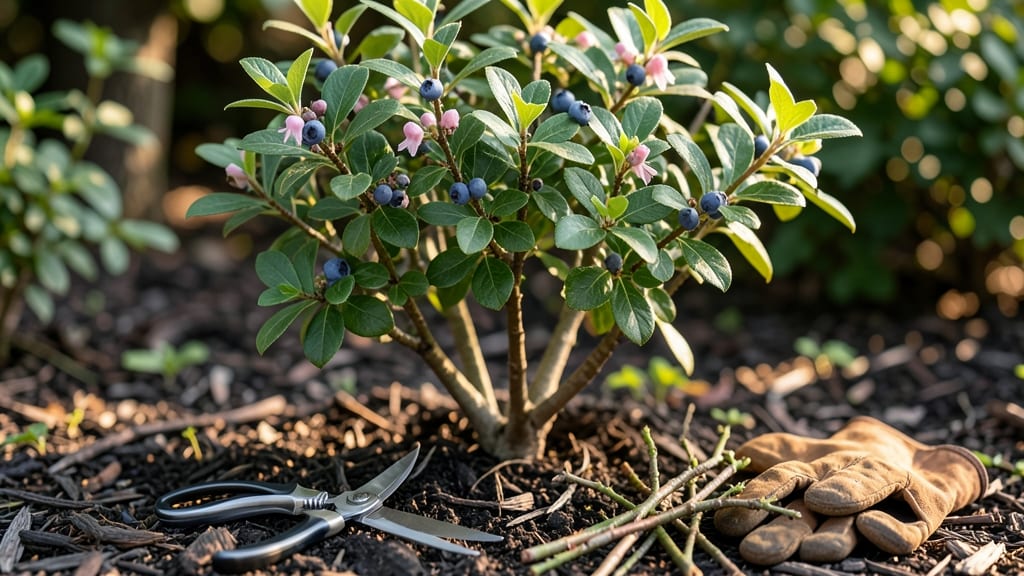
Pruning highbush blueberry bushes in late winter unlocks their potential for bigger berries and healthier growth next season. ✂️ I’ve seen firsthand how a few strategic cuts transform a struggling bush into a berry-producing powerhouse—it’s not about cutting back everything, but shaping the plant to focus energy where it matters most.
The key is timing, tools, and knowing which branches deserve to stay (or go).
You’ll need clean, sharp pruners, a pair of gloves, and a clear day to work—blueberries hate wet wood. Start by removing dead, diseased, or crossing branches first; these are the easy wins that immediately improve airflow and fruit quality.
Then comes the fun part: shaping the bush to let sunlight reach the center, where most berries form. Think of it like giving your plant a spa day—less clutter means more energy for those sweet, plump berries.
After pruning, you’ll notice new growth within weeks, with thicker canes and more buds ready to fruit. The secret? Prune when the bush is dormant (late winter to early spring) but before new shoots appear—this ensures you’re not cutting off next year’s crop by accident.
A well-pruned blueberry bush can produce 30-50% more berries in its prime, and the flavor improves too. The best part? This method works whether you’re a beginner or a seasoned gardener.
For those with older bushes, focus on thinning out older canes (more than 5-6 years old) to make room for younger, more productive growth. And if your blueberries are small or sparse?
That’s often a sign they need better sunlight and air circulation—exactly what pruning delivers. Ready to transform your bush into a berry machine? Let’s get started.
📚 In This Guide
- What you need
- Instructions
- Tips and common mistakes
- Wrapping up and next steps
What you need
- ● Pruning shears – Bypass-style (sharp, clean cuts) for branches up to ½ inch thick.
- ● Loppers – Bypass or anvil-type (for thicker branches up to 2 inches).
- ● Pruning saw – Hand saw with a fine-tooth blade for stubborn, woody stems.
- ● Disinfectant (70% rubbing alcohol or bleach solution) – 1 part bleach to 9 parts water (to sterilize tools between cuts).
- ● Garden gloves – Heavy-duty, cut-resistant (thorns are no joke!).
- ● Bucket or trash bag – For collecting pruned branches.
- ○ Marking spray or tape – Optional but helpful for tagging branches to prune later.
- ● Timing: Prune during late winter or early spring (before buds swell but after the worst frost).
- ● Weather: Choose a dry, calm day (no rain forecast for 24 hours).
- ● Health check: Inspect bushes for diseases (like mummy berry) or pests before pruning.
- ● Safety first: Wear long sleeves and closed-toe shoes (thorns + tools = ouch!).
Step-by-step instructions for pruning highbush blueberry bushes
Here's the method I've used for years to keep my blueberries thriving—just follow these simple steps.
✂️ Step 1: Time Your Pruning Perfectly
Prune your highbush blueberries during late winter or early spring, before buds begin to swell but after the worst cold snaps have passed. This timing ensures you remove dead wood while leaving healthy growth intact. I aim for February to early March in most climates, but adjust based on your last frost date—pruning too early risks exposing tender buds to cold damage.
Look for dormant branches—they’ll appear brown, brittle, or completely devoid of leaves. Healthy branches have a smooth, slightly greenish bark when scratched. If you're unsure, wait a few weeks. The goal is to shape the bush while it's still resting, not while it's waking up for spring.
✂️ Step 2: Remove Dead, Diseased, and Weak Wood
Start by cutting out any dead or diseased branches at the base with clean, sharp pruners. Dead wood is easy to spot—it’s hollow, crumbly, or lacks bark in patches. Diseased branches often have dark spots, mold, or an unusual odor. Remove these first to prevent the spread of problems to healthy growth.
Next, identify weak or crossing branches. Weak wood is thin, pale, and often grows inward toward the center of the bush. Crossing branches rub against each other, creating wounds that invite disease. Cut these back to a strong, outward-facing branch or to the main stem. I like to step back every few cuts to visualize the bush’s shape—it’s easier to see what needs to go when you’re not staring at the branches up close.
✂️ Step 3: Thin Out Overcrowded Branches
Highbush blueberries produce their best fruit on young, vigorous wood. To encourage this, remove older, less productive branches that are thicker than a pencil. Start pruning from the center of the bush and work outward, cutting back branches that are overcrowded or growing inward. This opens up the center for sunlight and air circulation, which reduces disease risk and improves berry quality.
Leave 4-6 of the strongest, most outward-facing branches per bush. These will form the framework for next year’s harvest. If you’re pruning multiple bushes, I recommend labeling them so you don’t accidentally over-prune. A simple twist tie or flag works—just mark the bushes you’ve already worked on to avoid confusion.
✂️ Step 4: Shape for Airflow and Light
Now it’s time to refine the bush’s shape. Step back and imagine an open vase or goblet shape—this allows sunlight and air to reach all parts of the plant. Cut back any branches that are growing straight up (these are called "watersprouts" and rarely produce fruit). Instead, encourage horizontal branches by pruning upward-growing shoots just above a leaf bud that faces outward.
For each remaining branch, trim the tips to just above a bud that’s facing the outside of the bush. This encourages the bush to grow wider and bushier, which means more fruiting wood. Avoid cutting back more than one-third of the bush’s total growth in a single year—this prevents stress and ensures a strong recovery.
⏰ Step 5: Clean Up and Prepare for Spring
After pruning, remove all cuttings from the area around the bush. Leaving them on the ground can harbor pests and diseases. I like to burn or compost them immediately—never add pruned wood to your regular compost pile, as it can introduce pathogens. Once the area is clear, give the bush a light application of compost or mulch around the base (but not touching the trunk) to retain moisture and protect roots.
Finally, take a moment to inspect the bush one last time. Look for any remaining dead spots, signs of pests, or unusual growth. If you notice anything concerning, address it now before the growing season begins. With the pruning complete, your blueberry bushes are ready to focus their energy on producing bigger, sweeter berries next year.
Tips & tricks for pruning highbush blueberry bushes
A little preparation and attention to detail make all the difference in your blueberry bushes' health and productivity.
Timing is Everything: Pay close attention to your local frost dates when planning your February to early March pruning window. If you're in a region with unpredictable weather, err on the side of waiting until after the last frost—tender buds can't handle cold snaps after pruning. I've learned this the hard way after seeing new growth damaged by unexpected late frosts. Check your local weather forecast and consider waiting a few extra days if temperatures are forecasted to drop below freezing.
Tool Prep Matters: Clean, sharp pruners are non-negotiable for making clean cuts that heal properly. Before you start, wipe down your pruners with rubbing alcohol to sterilize them—this prevents spreading disease between cuts. I keep a small bottle of rubbing alcohol in my gardening toolbox specifically for this purpose. For larger branches, consider using loppers or a pruning saw with a clean, sharp blade to avoid tearing the bark. The cleaner the cut, the faster the bush recovers.
Visualize the Shape: Step back frequently during the pruning process to visualize your bush's final shape. Imagine an open vase or goblet form—this allows sunlight to penetrate to the center where new growth will emerge. I like to sketch a rough outline in my mind before starting, focusing on maintaining that 4-6 branch framework. This practice helps me avoid over-pruning and ensures I'm cutting back to strong, outward-facing buds that will produce fruit next year.
Cleanup is Critical: Don't underestimate the importance of removing all pruned branches from your garden area. These cuttings can harbor pests and diseases that might infect your bushes. I've made the mistake of leaving them piled near the plants, only to see increased pest activity later. Burn or compost them immediately using a separate compost bin designated for diseased plant material. This simple step can prevent headaches down the road.
Pro Tips for Pruning Highbush Blueberry Bushes
- A little preparation and attention to detail make all the difference in your blueberry bushes' health and productivity.
- Timing is Everything: Pay close attention to your local frost dates when planning your February to early March pruning window.
- Tool Prep Matters: Clean, sharp pruners are non-negotiable for making clean cuts that heal properly.
Frequently asked questions
Got questions about pruning your highbush blueberries? You’re not alone—this task can feel tricky, especially for beginners! Below, we’ve tackled the most common concerns to help you prune like a pro and set your bushes up for a bountiful harvest next season.
When is the best time to prune highbush blueberries?
Prune your bushes during dormancy, ideally in late winter (February–March) before buds swell but after hard freezes have passed. This timing minimizes stress on the plant and prevents disease spread. Avoid pruning in fall or summer—late-season cuts can invite pests or fungal issues.
How much of my blueberry bush should I cut back?
Remove about ⅓ of the oldest wood each year to encourage new growth. Focus on:
- Dead, diseased, or crossing branches (cut at the base).
- Wood older than 5–6 years (thin it out to improve airflow).
- Suckers (shoots growing from the base)—remove them unless you’re propagating.
What if I skip pruning? Will my blueberries still grow?
Yes, but expect smaller yields and weaker plants over time. Without pruning, bushes become overcrowded, leading to:
- Fewer berries (energy goes to maintaining old wood).
- Higher disease risk (poor airflow traps moisture).
- Smaller, less flavorful fruit.
Can I prune blueberries in warm climates where winter is mild?
In areas with no freezing temps, prune in early spring (Feb–March) or even late fall (Nov–Dec) to avoid summer stress. Just avoid pruning during active growth periods (spring blooms or summer heatwaves). Warm-climate bushes still need the same 1/3 reduction of old wood rule.
What should I do if I over-prune my blueberry bush?
Don’t panic! If you’ve removed too much (e.g., >50% of the canopy), the bush may look shocked at first. Here’s how to recover:
- Water deeply and keep soil moist (but not soggy).
- Avoid fertilizing—wait until new growth appears (spring).
- Next year, prune lightly to encourage regrowth.
Pro Tip:
Label your bushes if you have multiple varieties! Pruning Rabbiteye vs. Southern Highbush may have slight differences—knowing your type ensures you’re cutting at the right time and intensity.
Wrapping up and next steps
Pruning your highbush blueberry bushes during dormancy isn’t just maintenance—it’s your secret weapon for a bountiful harvest next season! 🌱 By following the right techniques, you’ll boost air circulation, encourage stronger growth, and keep pests at bay.
Now that you’re armed with the know-how, there’s only one step left: roll up your sleeves and get pruning!
Start with confidence—your future blueberry pies (and bragging rights) will thank you. Happy pruning! 🍰✨