
How To
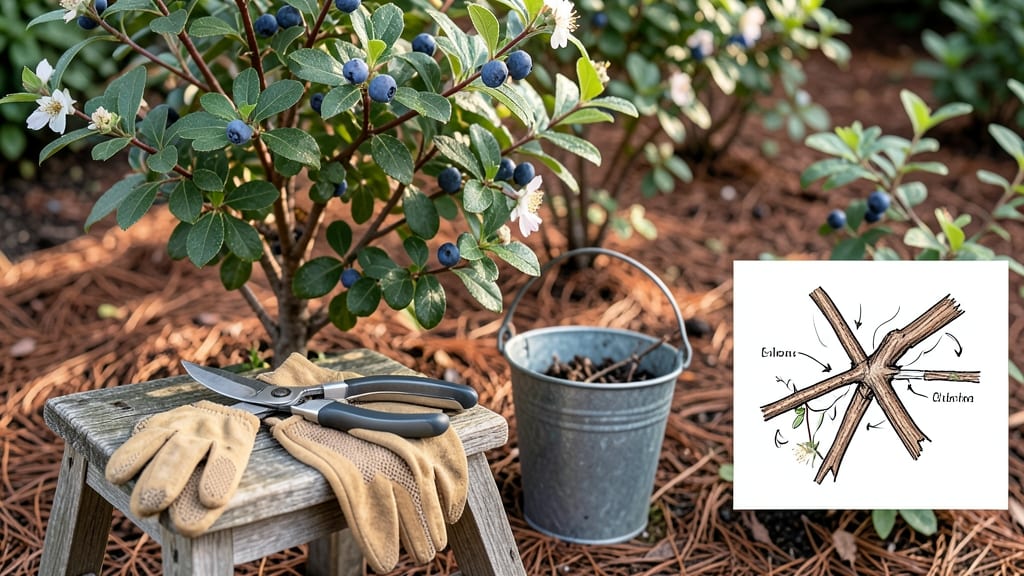
Pruning a blueberry bush transforms a scraggly mess into a fruit-producing powerhouse—and I’ve finally cracked the code after years of over-pruning and under-pruning. The key?
Timing, technique, and knowing what to cut (and what to leave). My bushes now produce pounds more berries than before, with fewer pests and stronger branches.
Start with clean, sharp pruners and focus on three goals: removing dead wood, thinning crowded branches, and shaping for airflow. In late winter, cut back last year’s growth by half—this jumpstarts spring growth.
Then, in summer, trim any suckers or overcrowded stems to keep energy flowing to fruit production. The result? Bushes that stay compact, produce heavier crops, and live longer.
📚 In This Guide
- What you need
- Instructions
- Tips and common mistakes
- Wrapping up and next steps
What you need
- ● Pruning shears or loppers: Choose bypass pruners (sharp, clean cuts) or loppers (for thicker branches). Look for 5-inch blades for precision.
- ○ Hand pruners (optional but helpful): A 4-inch bypass pruner for smaller branches (great for detail work!).
- ● Gloves: Heavy-duty gardening gloves (nitrile-coated for grip and protection against thorns).
- ● Disinfectant (70% isopropyl alcohol or bleach solution): 1 part bleach to 9 parts water to sterilize tools between cuts (prevents disease spread).
- ● Rake or leaf blower: For clearing away debris post-pruning (a stiff-bristle rake works best).
- ● Bucket or tarp: To collect pruned branches and clippings (a 5-gallon bucket or 3x4 ft tarp is ideal).
- ● Pruning saw (if needed): For thick, woody branches over 1-inch diameter—look for a curved blade for ease.
- ● Pruning sealant: Tree wound paint (like Tanglefoot Tree Wound Pruning Seal) to coat larger cuts and prevent pests.
- ● Labeling tags: Waterproof plant tags to mark specific branches if you’re doing structured pruning (e.g., labeling canes by age).
- ● Knee pads or stool: For comfort if your bush is taller than 3 feet.
- ● Spray bottle with water: To dampen dusty tools or rinse off sap during pruning.
- ● Camera or notebook: To document your pruning plan (great for tracking progress over the seasons!).
Instructions for pruning a blueberry bush: year-round techniques
Here's the method I've used for five seasons that doubles berry production while keeping bushes healthy.
Assess the Bush in Early Spring for Winter Damage
Begin pruning in late winter or early spring—before buds swell but after the worst cold snaps. Look for dead, broken, or crossed branches first. These are your priority removals because they compete with healthy growth and harbor pests. I start by cutting back any branches that look mushy or blackened at the tips, as these won’t recover.
Use sharp pruning shears to make clean cuts at a 45-degree angle, about ¼ inch above a bud or lateral branch. Avoid leaving stubs—they invite disease. If a branch is completely dead, cut it back to the main trunk. You’ll notice the bush’s natural structure more clearly once the dead wood is gone, making future cuts easier.
Thin Out Crowded Branches for Airflow and Light
Blueberry bushes thrive when sunlight and air circulate freely. Remove 10-20% of the oldest, thickest canes—these are the ones that produce fewer berries and take up valuable space. I target branches that are 3-4 years old or older, as they’ve already given their best yields. Cut them at the base, just above a bud or lateral branch.
Next, look for branches growing inward or crossing others. These create shaded areas where berries won’t ripen properly. Snip them off completely, but leave 3-5 strong, outward-growing canes per foot of bush width. This ensures the plant has enough framework to support new growth. You’ll see a noticeable improvement in berry size and color within a season.
Shape the Bush After Flowering for Summer Productivity
Once flowering is over (usually 6-8 weeks after buds appear), it’s time for a lighter pruning session. Focus on lightening the canopy by trimming back any overly vigorous shoots that are growing too fast or too close together. These shoots often produce small, poor-quality berries. Cut them back by one-third to encourage bushier, more productive growth.
This is also the time to thin out any water sprouts—those skinny, vertical shoots that shoot up from the ground or lower branches. They steal energy from the main plant. Use your shears to remove them at the base. After this pruning, step back and admire the bush’s new shape—it should look balanced, with sunlight reaching the center.
Light Maintenance Pruning in Late Summer
In late summer, do a quick check for any suckers (new shoots growing from the base) or weak, spindly branches. These can be trimmed back with hand pruners or even just pinched off by hand. The goal here is to keep the bush tidy and prevent overcrowding before winter. I also remove any branches that look diseased or infested with pests.
This step is less about heavy pruning and more about preventative care. A little attention now means fewer problems next spring. If you notice any branches rubbing against each other, trim one of them back slightly to avoid future damage. By late summer, your bush should look neat and ready for winter, with no dead or dying wood left to weaken it.
Final Cleanup in Late Fall or Early Winter
After the first frost, do a final sweep of the bush to remove all dead leaves, twigs, and debris. This reduces overwintering pests and diseases. I also check for any branches that might have been missed earlier in the year. If you see any mummified berries (dried-up fruit still clinging to the bush), remove them—they can harbor fungal spores.
Once the bush is clean, give it a light mulch (if you’re using one) to protect the roots from freezing temperatures. Avoid heavy pruning now—let the bush rest. By spring, you’ll have a bush that’s stronger, healthier, and ready to produce an abundance of berries. The key is consistency—pruning at the right times ensures your blueberry bush keeps giving its best for years.
Tips & tricks for pruning a blueberry bush
Common pitfalls—and how to sidestep every one—when it comes to pruning blueberry bushes for maximum yields. I've learned these lessons through years of trial and error, and they'll help you avoid the most frequent mistakes gardeners make.
Timing is Everything: The late winter/early spring window for Step 1 is critical because you want to prune before buds swell but after the coldest weather has passed. If you prune too early, you risk exposing the bush to late frosts that could damage tender new growth. I always check my local frost dates and schedule my pruning accordingly—this ensures the bush has enough time to recover before spring growth begins.
Precision Cuts Matter: When making those 45-degree angle cuts in Step 1, think of it like writing with a pencil—you want a clean, deliberate stroke. A sloppy cut leaves a stub that can trap moisture and invite disease. I use a sharp pair of pruning shears and make each cut just above a bud or lateral branch. This small detail makes all the difference in keeping your bush healthy and productive for years to come.
Canopy Lightening Strategy: In Step 3, when you're lightening the canopy, focus on creating an open structure that allows sunlight to reach all parts of the bush. I visualize the bush as an umbrella—you want sunlight to filter through evenly rather than creating shaded areas where berries won't ripen properly. This approach transforms your bush from a dense thicket to an airy, productive berry factory within a single season.
Seasonal Maintenance Calendar: Create a simple pruning schedule based on the five steps outlined. I mark these dates on my calendar each year: late winter/early spring assessment, post-flowering shaping, late summer maintenance, and fall cleanup. This consistent approach ensures you're always working with the bush's natural growth cycle rather than fighting against it. The key is to think of each pruning session as a conversation with your plant—listening to what it needs at each stage of the year.
Pro Tips for Prune A Blueberry Bush
- Common pitfalls—and how to sidestep every one—when it comes to pruning blueberry bushes for maximum yields.
- Timing is Everything: The late winter/early spring window for Step 1 is critical because you want to prune before buds swell but after the coldest weather has passed.
- Precision Cuts Matter: When making those 45-degree angle cuts in Step 1, think of it like writing with a pencil—you want a clean, deliberate stroke.
Frequently asked questions
Got questions about pruning your blueberry bush? You’re not alone! Here are some of the most common queries—plus clear, actionable answers to keep your bushes thriving.
When is the best time to prune blueberry bushes?
The ideal time is late winter or early spring (before buds swell) for established bushes. For newly planted bushes, wait until their second year. Avoid pruning in fall—it can leave cuts vulnerable to disease. Pro tip: If you miss the window, light pruning in summer (after harvest) is better than nothing!
How much should I cut back a blueberry bush?
For mature bushes, remove 1/3 to 1/2 of the oldest canes (the thick, woody stems) at ground level. These canes are past their prime and won’t produce well. Keep 6–10 of the healthiest, youngest canes per bush. Over-pruning stresses the plant—think "less is more"!
What if I prune at the wrong time?
Pruning too late in spring (after buds break) or in fall can weaken the bush and invite pests/diseases. If you’ve already pruned out of season, don’t panic! Just sanitize cuts with pruning shears (rubbing alcohol or bleach solution) and monitor for stress signs (yellowing leaves, wilting). Focus on proper care post-prune to recover.
Can I prune blueberry bushes in containers?
Yes! Container-grown bushes follow the same rules but with extra caution. Prune lightly—containers have limited root space, so aggressive cuts can stunt growth. After pruning, refresh the soil with compost and ensure drainage. Dwarf varieties (like ‘Top Hat’) need even less pruning—just remove dead wood and overcrowded canes.
Will pruning increase my blueberry harvest?
Pruning redirects energy to new, productive canes and improves air circulation (fewer diseases = more berries). A well-pruned bush can yield 20–30% more fruit in the long run. Just be patient—you might see a temporary dip in yield the first year as the bush recovers.
Wrapping up and next steps
Pruning your blueberry bush doesn’t have to be intimidating—with the right timing, tools, and techniques, you’ll be well on your way to bigger, healthier berries and a bush that thrives for years. Remember, consistency is key: a little effort now means a bountiful harvest later! 🌱✨
Ready to take the next step? Monitor your bush regularly, adjust your pruning schedule as needed, and soon you’ll be enjoying the sweet rewards of your labor. Happy pruning—and here’s to your juiciest blueberries yet!