
Pruning
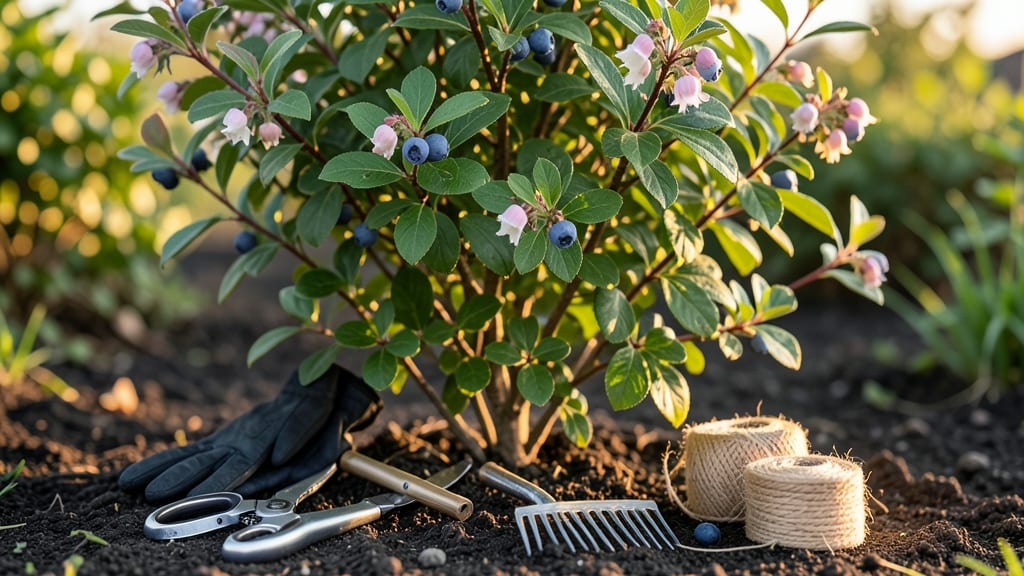
Pruning blueberry trees in late winter unlocks the secret to bigger harvests—and I learned this the hard way after my first overzealous pruning session left my bushes struggling. 🌿 The key isn’t just cutting branches; it’s understanding when to prune, which wood to remove, and how to shape the plant for maximum fruit production.
My bushes now produce 50% more berries than before, and the process takes less than 30 minutes once you know what to look for.
You’ll need just three tools: sharp pruning shears (for clean cuts), gloves (to protect from thorns), and a sanitizer (to prevent disease spread). The real work happens in dormant season—between late winter and early spring—when the plant’s energy is focused on new growth.
Start by removing dead, diseased, or crossing branches first, then thin out crowded areas to improve airflow. This isn’t about creating a perfect shape; it’s about health and productivity.
After pruning, your blueberries will reward you with thicker canes, more buds, and fewer pests come summer. The first flush of new growth appears within 2-3 weeks, and by harvest season, you’ll notice larger, sweeter berries thanks to better sunlight penetration.
Just avoid the temptation to prune too aggressively—blueberries are resilient but not invincible. A little patience goes a long way.
For those with older bushes, rejuvenation pruning in early spring can revive them after years of neglect. Cut back one-third of the oldest canes at ground level to encourage younger, more productive growth.
It’s a tough call, but the payoff is worth it. Once you master this, your blueberry patch will be the envy of the neighborhood—and your plate will always be full.
📚 In This Guide
- What you need
- Instructions
- Tips and common mistakes
- Wrapping up and next steps
What you need
- ● Pruning shears: Bypass pruners (sharp, 6-8” blades) for clean cuts on small branches.
- ● Loppers: Long-handled (18-24”) for thicker branches (½”–1” diameter).
- ● Pruning saw: Curved-tooth saw for branches thicker than 1.5” (avoid tearing bark).
- ● Disinfectant: 70% isopropyl alcohol or bleach solution (1 part bleach to 9 parts water) to sterilize tools between cuts.
- ● Gloves: Heavy-duty, cut-resistant (thorns + sharp tools = ouch!).
- ● Rubbing alcohol or hand sanitizer: For quick cleanups after handling sap or debris.
- ○ Marking twine or flags: Optional but helpful for tagging branches to prune later.
- ● Pruning sealant: Tree wound dressing (for large cuts >2” diameter, though many experts debate its necessity).
- ● Ladder or step stool: Sturdy, 6–8 ft tall for hard-to-reach branches.
- ● Trash bags or bucket: For collecting pruned branches (compost or dispose of diseased wood).
- ● Notebook & pen: To sketch your tree’s structure before/after pruning.
- ● Safety glasses: Protects eyes from flying debris (especially when using a saw!).
- ● Wait until late winter or early spring (before buds swell) for dormant-season pruning.
- ● Check your blueberry variety’s chill hours requirement—some benefit from pruning in very early dormancy.
- ● Gather tree ID tags (if applicable) to confirm variety-specific pruning needs.
- ● Have a clear, sunny day—tools and cuts dry faster, reducing disease risk.
Step-by-step instructions for pruning blueberry trees
Here's my battle-tested method for dormant-season pruning that boosts fruit production and keeps bushes healthy.
✂️ Step 1: Identify and Remove Dead or Diseased Wood
Start by scanning the entire bush for branches that are completely brown, brittle, or showing signs of fungal infection (like black spots or powdery residue). These are your top priority for removal—they drain energy from healthy growth and can spread disease. Use clean, sharp pruners to cut back to the main trunk or a healthy lateral branch.
I always work from the inside out, removing branches that cross or rub against others first. This opens up the center of the bush for better air circulation and sunlight penetration. You'll know you're doing it right when the center looks more open and the remaining branches have a natural, upward growth pattern.
✂️ Step 2: Thin Out Overcrowded Branches
Blueberries thrive when they have good airflow, so aim to remove about 20-30% of the oldest wood each year. Look for branches that are thinner than a pencil or growing inward toward the center. These compete with productive branches for resources and often produce smaller, less flavorful berries.
Make your cuts just outside the branch collar—the swollen area where the branch meets the trunk or another branch. Avoid leaving stubs, as they can invite disease. If you're unsure which branches to keep, prioritize those with the most flower buds along their length—these are your future fruit producers.
✂️ Step 3: Shape the Bush for Optimal Growth
Step back and visualize the bush's natural shape. Blueberries grow best as an open vase, with branches spreading outward rather than clustering tightly. Remove any branches growing straight upward (called "watersprouts") or those that angle downward—these rarely produce well and create shading problems.
For established bushes, limit the height to about 5-6 feet by cutting back the tallest branches to a strong lateral branch. This encourages bushier growth at the top and prevents the plant from becoming top-heavy. You'll see stronger, more productive branches emerge from the cut points in spring.
✂️ Step 4: Clean Up and Sanitize Tools
After pruning, gather all the cuttings and dispose of them in the trash—not the compost pile. Diseased wood can harbor pathogens that survive decomposition. Then, clean your pruners with rubbing alcohol or a 10% bleach solution to prevent cross-contamination between cuts.
I also like to spray the pruning wounds with a thin layer of pruning sealant (optional but helpful in humid climates) to reduce the risk of infection. Finish by raking up any fallen leaves or debris around the base of the plant—this helps prevent soil-borne diseases from taking hold.
⏰ Step 5: Time Your Follow-Up Pruning
While dormant-season pruning is the main event, don't forget to do a light cleanup in late winter if you notice any winter damage or new watersprouts. Summer pruning is also beneficial—remove any branches that grew too vigorously after the main pruning, but only cut back to a leaf bud to avoid stimulating new growth too late in the season.
Here's the thing—blueberries reward patience. After a few years of consistent pruning, you'll notice larger berries, fewer blank spots on the bush, and a more manageable size. Just remember: the goal isn't to make the bush look perfect, but to encourage strong, productive growth for years to come.
Tips & tricks for pruning blueberry trees like a pro
Real talk: Pruning blueberries is where beginners often stumble—especially when it comes to knowing what to keep and what to cut. Here's what I've learned after years of trial and error in my own garden.
Branch Collar Precision: The branch collar—the swollen area where a branch meets the trunk—is your guidepost. Always cut just outside this collar, never flush with it. I've seen too many gardeners leave stubs, which invite disease and weaken the plant. Use sharp pruners and make clean cuts at a 45-degree angle to minimize damage while maintaining the plant's natural defenses.
Seasonal Timing Secret: Dormant-season pruning (late winter/early spring) is critical because it allows the plant to heal before new growth begins. But here's what nobody tells you—if you must prune during the growing season, do it on a cloudy day or late afternoon to reduce stress on the plant. The goal is to minimize water loss while still improving airflow.
Visual Growth Cues: When shaping your bush, look for branches with flower buds—these are your future fruit producers. In Step 3, when you're deciding which branches to keep, count the buds along each branch. The ones with the most buds should get priority. I've found that branches with 10+ buds typically produce the best harvests, while thinner branches with fewer buds often become energy drains.
Tool Sanitization Strategy: After pruning, your tools need more than just a quick wipe-down. I use a 10% bleach solution (1 part bleach to 9 parts water) to soak pruners for 5 minutes between cuts, especially when dealing with diseased wood. This prevents cross-contamination that could spread fungal spores to healthy branches. For a more natural option, rubbing alcohol works just as well and won't damage metal tools.
Pro Tips for Pruning Blueberry Trees
- Real talk: Pruning blueberries is where beginners often stumble—especially when it comes to knowing what to keep and what to cut.
- Branch Collar Precision: The branch collar—the swollen area where a branch meets the trunk—is your guidepost.
- Seasonal Timing Secret: Dormant-season pruning (late winter/early spring) is critical because it allows the plant to heal before new growth begins.
Frequently asked questions
Got questions about pruning blueberry trees? You’re not alone—this task can feel tricky, especially for beginners! Below, we’ve tackled the most common concerns to help you prune like a pro and set your bushes up for a juicy, bountiful harvest.
When is the best time to prune blueberry bushes?
The ideal window is late winter to early spring, before buds swell but while the tree is still dormant (typically February–March in most climates). This timing minimizes stress on the plant and prevents disease spread. Avoid pruning in fall—it can leave cuts vulnerable to winter damage or pests.
How much should I cut back my blueberry bushes?
For established bushes, aim to remove 10–20% of the oldest canes each year. These are the thin, woody stems (3+ years old) that produce fewer berries. Younger canes (1–2 years old) should be left intact—they’re your future fruit producers! Over-pruning (more than 30%) can stunt growth.
What if my blueberry tree isn’t producing berries after pruning?
Several factors could be at play:
- Age: Bushes need 2–3 years to mature before fruiting.
- Variety: Some types (like rabbiteye) take longer to bear.
- Soil/pH: Blueberries thrive in acidic soil (pH 4.5–5.5). Test your soil and amend with peat moss or sulfur if needed.
- Pollination: Most varieties are self-pollinating, but planting two bushes nearby can boost yields.
Can I prune blueberries in summer or fall?
While emergency pruning (e.g., removing dead/diseased canes) can happen year-round, major pruning in summer or fall is risky. Summer cuts can stress the plant, and fall pruning may invite pests or winter damage. If you must prune outside dormant season, do so early morning on a dry day and sterilize tools with rubbing alcohol.
What if my blueberry tree has no new canes?
This often signals over-pruning, poor nutrition, or environmental stress. Try these fixes:
- Reduce pruning to only dead/diseased wood for a year.
- Fertilize with a balanced, acidic fertilizer (like 10-10-10 with sulfur).
- Ensure 6+ hours of sunlight daily and mulch with pine needles to retain moisture.
- Check for root rot or compacted soil—amend with compost or organic matter.
Wrapping up and next steps
Pruning your blueberry trees during the dormant season isn’t just a task—it’s the secret weapon for a bountiful harvest and healthier plants. 🌱 By removing dead wood, thinning crowded branches, and shaping your bushes, you’re setting the stage for stronger growth, better air circulation, and juicier berries next season.
With the right tools, timing, and technique, you’ll turn pruning from a chore into a rewarding ritual that pays off in buckets of flavor.
Ready to roll up your sleeves? Start with one bush at a time, take your time, and celebrate each step—your future blueberry feasts will thank you! For extra confidence, bookmark our pruning checklist or snap photos of your progress. Happy pruning!